The Enduring Appeal of Pickled Herring
Pickled herring holds a special place in the culinary world, transcending simple sustenance to become a symbol of heritage and celebration. For centuries, this method of preserving fish has been a cornerstone for communities across Northern Europe and beyond. From the smörgåsbord of Sweden to festive tables during Rosh Hashanah, the presence of a perfectly prepared pickled herring recipe is often a sign of good times and tradition. It’s not just about preservation; it’s about flavor transformation. The acetic acid in vinegar, combined with sugar and spices, coaxes out a depth of flavor from the herring that is both unique and utterly compelling. The simplicity of its ingredients belies the complexity of its taste, making every bite of pickled herring a delightful experience.
A Brief History of Pickling Herring
The practice of pickling fish, especially herring, dates back thousands of years. Before refrigeration, methods like salting, smoking, and pickling were vital for preserving food, particularly in regions with abundant fish supplies like the Baltic Sea. Herring, being plentiful and relatively inexpensive, became a prime candidate for preservation. The Vikings were known to salt and dry herring, and as trade routes developed, so did the sophistication of preservation techniques. The addition of vinegar, sugar, and spices not only extended shelf life but also created distinct flavor profiles that became regional specialties. Today, the brining process and subsequent marination are culinary arts passed down through generations, with each family often having its own treasured pickled herring recipe.
Why Make Your Own Pickled Herring Recipe?
While excellent quality pickled herring can be found in specialty stores, there are compelling reasons to try making your own. The satisfaction of creating a traditional dish from scratch is immense, but the benefits extend beyond just pride.
Unmatched Freshness and Quality Control
When you prepare your own pickled herring recipe, you have complete control over the freshness of your ingredients. You can select the highest quality herring fillets, ensuring they are firm and free from strong odors. This significantly impacts the final taste and texture. Store-bought options, while convenient, can sometimes lack the vibrant freshness that homemade versions boast.
Customization to Your Palate
One of the greatest advantages of making your own pickled herring recipe is the ability to customize the flavors. Do you prefer it sweeter or tangier? With more dill or a hint of mustard? You can adjust the ratios of sugar, vinegar, and spices to perfectly suit your preferences. This level of personalization is simply not possible with pre-packaged varieties. Every pickled herring recipe can become uniquely yours.
Cost-Effectiveness
Buying fresh herring and the necessary pickling ingredients is often more economical than purchasing gourmet pickled herring from a deli. While there’s an initial investment of time, the per-serving cost of your homemade pickled herring recipe will generally be lower, especially if you enjoy this delicacy frequently.
Essential Ingredients for Any Pickled Herring Recipe
Before diving into specific variations, let’s outline the core components common to most pickled herring recipes. Quality ingredients are paramount for a truly exceptional result.
Close-up of a jar of creamy pickled herring recipe, showing the rich, white sauce coating the herrin…
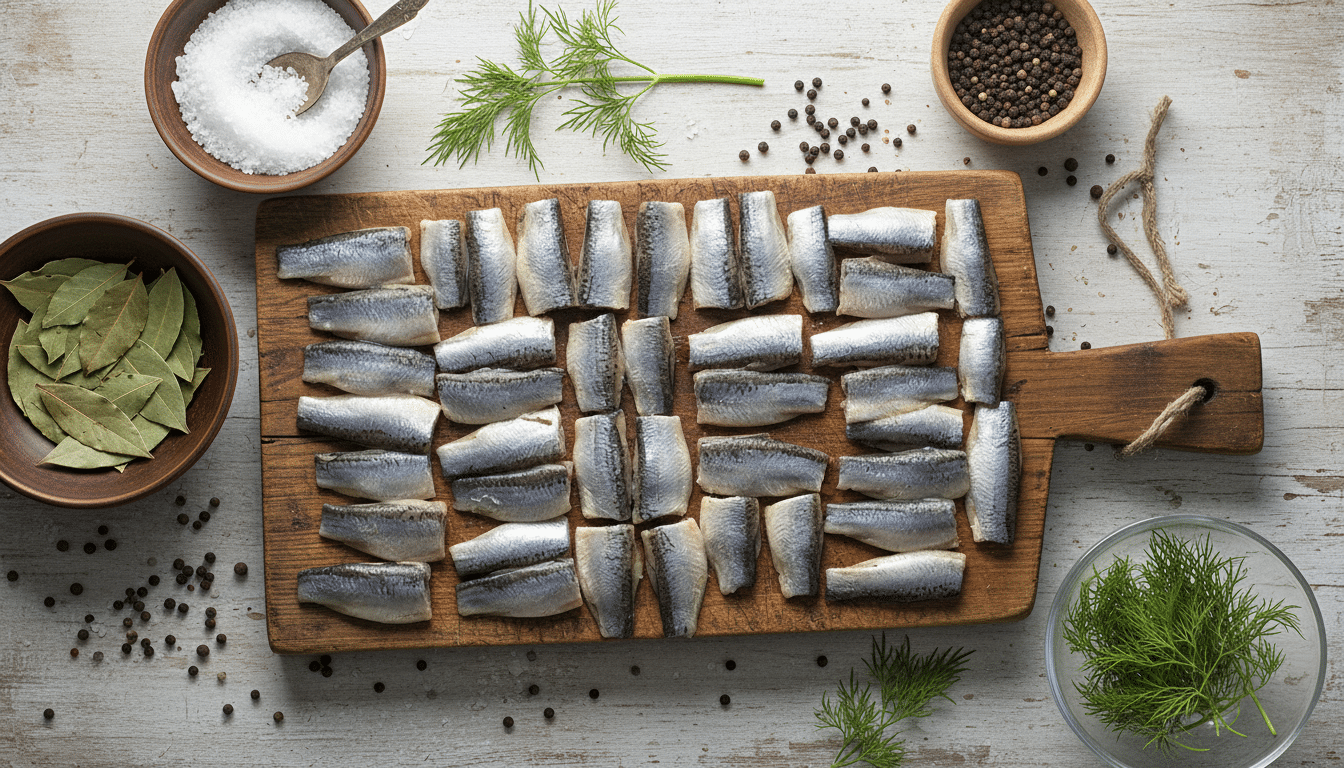
- Herring Fillets: Fresh or frozen (and thawed) skinless, boneless herring fillets are ideal. If using salted herring, it will require a longer desalting brine process before pickling.
- Salt: Essential for the initial brining process, which helps firm the fish and draw out impurities.
- White Vinegar: The backbone of the pickling liquid. Distilled white vinegar is most common, but apple cider vinegar can also be used for a milder flavor.
- Sugar: Balances the acidity of the vinegar and enhances the flavor. Granulated sugar is standard.
- Water: Used in both the initial brine and the final pickling liquid.
- Onions: Sliced red or yellow onions add a crucial aromatic and a subtle bite.
- Spices: Whole spices like bay leaves, black peppercorns, allspice berries, and mustard seeds are classic additions. Dill is also a very popular herb.
The Basic Pickled Herring Recipe: A Foundation for Flavor
This foundational pickled herring recipe is where most variations begin. Mastering this will give you the confidence to explore more complex flavors.
Step 1: Preparing the Herring (Brining)
If you’re starting with fresh or thawed herring fillets, they need an initial salt brine. This step is critical for firming the fish and preparing it for the pickling liquid.
1. Clean the Fillets: Rinse your herring fillets thoroughly under cold water. Pat them completely dry with paper towels.
2. Prepare the Brine: In a non-reactive bowl, combine 4 cups of cold water with 1/2 cup of non-iodized salt (kosher or pickling salt works best). Stir until the salt dissolves.
3. Brine the Herring: Submerge the herring fillets in the brine. Ensure they are fully covered. Cover the bowl and refrigerate for 12-24 hours. Thicker fillets may benefit from the longer brining time. This step is essential for a good pickled herring recipe.
An abstract composition representing the pickling process: a clear glass beaker with bubbling liquid…
4. Rinse and Dry: After brining, remove the fillets, rinse them thoroughly under cold running water to remove excess salt, and pat them very dry. Slice the fillets into 1-inch pieces.
Step 2: Crafting the Pickling Liquid
The heart of any pickled herring recipe is its pickling liquid. This is where the magic happens.
1. Combine Ingredients: In a saucepan, combine 1 cup white vinegar, 1/2 cup water, 1/4 cup granulated sugar, 1 teaspoon whole black peppercorns, 1/2 teaspoon whole allspice berries, 2 bay leaves, and 1 teaspoon mustard seeds.
2. Simmer: Bring the mixture to a simmer over medium heat, stirring until the sugar dissolves. Let it simmer gently for 5 minutes to allow the flavors to meld.
3. Cool: Remove from heat and let the pickling liquid cool completely to room temperature. This is vital; adding hot liquid to the fish can cook it.
Step 3: Assembling Your Pickled Herring Recipe
Now, bring it all together!
1. Layering: In a clean, sterilized glass jar (a quart-sized jar works well), alternate layers of sliced herring pieces and thinly sliced red or yellow onion rings. You can also add fresh dill sprigs between layers if desired.
2. Pour Liquid: Once the jar is filled, carefully pour the cooled pickling liquid over the herring and onions, ensuring all ingredients are fully submerged. If needed, add a little more cooled, boiled water to top it off.
3. Refrigerate and Marinate: Seal the jar tightly and refrigerate for at least 2-3 days before serving. This allows the flavors to fully develop and the herring to properly pickle. The longer it sits, the more intense the flavor. This basic pickled herring recipe will yield delicious results.
Variations on the Classic Pickled Herring Recipe
The beauty of pickled herring lies in its adaptability. Once you have the basic pickled herring recipe down, you can experiment with different flavor profiles.
1. Swedish Dill Pickled Herring (Inlagd Sill)
This is perhaps the most iconic pickled herring recipe. It emphasizes fresh dill and is often slightly sweeter than other versions.
- Pickling Liquid Adjustments: Increase sugar slightly (e.g., 3/4 cup instead of 1/2 cup). Add 1/4 cup chopped fresh dill directly into the cooled pickling liquid before combining with the herring.
- Assembly: Layer the herring and onions as before, adding generous amounts of fresh dill sprigs between layers.
2. Creamy Pickled Herring Recipe
A favorite for many, this version takes the classic pickled herring and enrobes it in a rich, tangy cream sauce. It’s often served with new potatoes.
- Base: Start with your prepared basic pickled herring (after it has marinated for at least 2-3 days).
- Cream Sauce: In a separate bowl, combine 1 cup sour cream, 1/2 cup mayonnaise, 2 tablespoons finely chopped fresh dill, 1 tablespoon finely chopped chives, 1 teaspoon prepared Dijon mustard, and a pinch of white pepper. You can also add a tablespoon of the original pickling liquid for extra tang.
- Combine: Gently fold the drained pickled herring pieces (reserving the pickling liquid if desired for other uses) into the cream sauce. Add sliced onions from the original pickle if you like. Refrigerate for at least 2 hours before serving to allow flavors to meld. This creamy pickled herring recipe is a crowd-pleaser.
3. Spicy Pickled Herring Recipe
For those who enjoy a kick, a spicy pickled herring recipe adds warmth and complexity.
- Pickling Liquid Adjustments: Add 1-2 dried red chilies (like arbol or bird’s eye chilies), sliced jalapeños, or a pinch of red pepper flakes to the pickling liquid while simmering. You can also add a few slices of fresh ginger.
- Assembly: Layer with herring, onions, and additional fresh chili slices if desired.
4. Mustard Pickled Herring (Senapssill)
Another beloved Swedish variation, this pickled herring recipe features a distinctive mustard dressing that is both sweet and pungent.
- Base: Use your prepared basic pickled herring, drained.
- Mustard Sauce: In a bowl, whisk together 1/4 cup Dijon mustard, 1/4 cup granulated sugar, 2 tablespoons white vinegar, 1 tablespoon water, and 1/2 cup vegetable oil (whisking slowly to emulsify). Stir in 2 tablespoons chopped fresh dill and a pinch of white pepper.
- Combine: Gently fold the pickled herring and sliced onions into the mustard sauce. Refrigerate for at least 4 hours before serving. This mustard pickled herring recipe is truly unique.
Tips for Perfect Pickling Every Time
Achieving perfect pickled herring isn’t just about following a recipe; it’s about paying attention to details.
- Sterilize Your Jars: Always use clean, sterilized glass jars to prevent spoilage. You can sterilize them by washing them in hot soapy water, rinsing, and then placing them in a preheated oven at 275°F (135°C) for 10-15 minutes, or by running them through a hot cycle in your dishwasher.
- Cool the Liquid Completely: Never pour hot pickling liquid over your herring. This will partially cook the fish, resulting in a mushy texture. Ensure the liquid is at room temperature or colder.
- Don’t Rush the Brine: The initial salt brine is crucial for firming the fish and drawing out excess moisture. Give it the full recommended time for the best texture in your pickled herring recipe.
- Quality of Herring: The better the quality of your fresh herring, the better your final pickled herring recipe will be. Look for firm, shiny fillets.
- Experiment with Spices: While bay leaves, peppercorns, and allspice are standard, don’t be afraid to experiment with other whole spices like coriander seeds, cloves, or even a tiny piece of star anise for an adventurous pickled herring recipe.
Serving Suggestions for Your Pickled Herring Recipe
Once your pickled herring is ready, the possibilities for serving are endless. It’s incredibly versatile and can be enjoyed in many ways.
- Classic Scandinavian Style: Serve chilled with rye bread, crispbread, or boiled new potatoes. A dollop of sour cream or crème fraîche is a common accompaniment, especially with the creamy pickled herring recipe.
- Appetizer: Arrange on a platter with hard-boiled eggs, sliced radishes, and fresh dill for an elegant starter.
- Sandwich Topper: A few pieces of pickled herring on dark bread with a slice of cheese makes for a quick and flavorful open-faced sandwich.
- Salad Component: Chop the pickled herring and add it to a potato salad or a green salad for a tangy, savory boost.
- Holiday Tables: Pickled herring is a traditional feature at many holiday gatherings, including Christmas, Easter, and Midsummer in Scandinavian countries, and as part of a traditional Scandinavian dish for Jewish holidays.
Storage and Shelf Life of Pickled Herring
Proper storage is key to enjoying your homemade pickled herring recipe safely and for an extended period.
- Refrigeration: Always store pickled herring in the refrigerator in a tightly sealed, non-reactive container (glass jars are best). Ensure the herring is fully submerged in the pickling liquid.
- Shelf Life: When properly prepared and stored, homemade pickled herring can last for 2-3 weeks in the refrigerator. The flavors will continue to develop during this time. For creamy variations, the shelf life is typically shorter, around 5-7 days, due to the dairy components.
- Freezing: While it’s generally not recommended to freeze pickled herring as it can affect the texture of the fish, the plain pickled herring (not creamy) can sometimes be frozen for up to 1-2 months. Thaw slowly in the refrigerator. The best experience, however, comes from fresh pickling. Always label your jars with the date of preparation for your pickled herring recipe.
The Health Benefits of Herring
Beyond its delicious taste and cultural significance, herring is a remarkably healthy fish, making your pickled herring recipe a nutritious choice.
- Rich in Omega-3 Fatty Acids: Herring is an excellent source of omega-3 fatty acids, particularly EPA and DHA, which are crucial for heart health, brain function, and reducing inflammation. Regular consumption of foods rich in omega-3s, like herring, is linked to a lower risk of chronic diseases.
- High in Protein: Herring provides a significant amount of high-quality protein, essential for muscle repair, growth, and overall bodily functions.
- Vitamins and Minerals: It’s packed with essential vitamins and minerals, including Vitamin D, Vitamin B12, selenium, and phosphorus. Vitamin D is vital for bone health and immune function, while B12 is crucial for nerve function and red blood cell formation.
- Low in Mercury: Herring is generally a small fish and is considered low in mercury, making it a safer seafood choice for frequent consumption compared to larger predatory fish. So, enjoying your pickled herring recipe regularly can be a healthy habit.
By embracing the art of making your own pickled herring recipe, you’re not only creating a delicious dish but also tapping into a rich culinary tradition and providing your body with a powerhouse of nutrients. Experiment with different spices and flavorings, and you’ll soon discover your absolute favorite pickled herring recipe.
Comparison Analysis
| Feature | Classic Pickled Herring | Creamy Pickled Herring |
|---|---|---|
| Primary Liquid | Vinegar-based brine | Sour cream/mayonnaise |
| Flavor Profile | Tangy, sweet, savory | Rich, tangy, creamy |
| Texture | Firm, slightly chewy | Softer, melt-in-mouth |
| Best Served With | Rye bread, potatoes | New potatoes, dark bread |
+Pros
- Homemade pickled herring offers superior freshness and quality compared to store-bought options.
- Allows for complete customization of flavors, from sweetness to spice levels.
- Cost-effective way to enjoy a gourmet delicacy regularly.
- Rich in Omega-3 fatty acids, protein, and essential vitamins like D and B12.
- Versatile dish suitable for appetizers, main courses, or side dishes.
- A rewarding culinary experience, connecting with traditional food preservation methods.
–Cons
- –Requires an initial investment of time for brining and marinating (2-3 days).
- –Requires handling raw fish, which some may find off-putting.
- –Must be stored properly in the refrigerator and has a limited shelf life.
- –The strong smell during preparation might be a consideration for some households.
- –Finding fresh, high-quality herring fillets can sometimes be challenging depending on location.
Key Takeaways
- Pickled herring is a versatile and flavorful dish with deep cultural roots, surprisingly easy to make at home.
- Mastering a basic pickled herring recipe involves brining and then marinating in a vinegar-based solution with aromatics.
- Numerous variations exist, including classic dill, creamy, spicy, and mustard styles, each offering a unique flavor profile.
- Fresh, high-quality herring fillets are crucial for the best results, along with proper brining and sterilization techniques.
- Making your own pickled herring allows for flavor customization and is often more economical and fresher than store-bought options.
Frequently Asked Questions
How do I ensure my pickled herring recipe results in firm, not mushy, fish?
The key to firm pickled herring is proper initial brining. Ensure your herring fillets are submerged in a strong salt brine (e.g., 1/2 cup salt to 4 cups water) for at least 12-24 hours. This draws out moisture and firms the flesh before it enters the pickling liquid. Also, make sure the pickling liquid is completely cool before adding it to the fish; hot liquid can cook the herring and make it mushy.
How long does homemade pickled herring last in the refrigerator?
Homemade pickled herring, when stored correctly in a sterilized jar and fully submerged in the pickling liquid in the refrigerator, can last for 2-3 weeks. Creamy versions, due to dairy components, typically have a shorter shelf life of 5-7 days.
Can I use frozen herring for a pickled herring recipe?
While fresh herring is ideal, high-quality frozen herring fillets can be used. Thaw them completely in the refrigerator before starting the brining process. Ensure they are well-drained and patted dry before brining for your pickled herring recipe.
Can I make a less sweet pickled herring recipe?
Yes, you can adjust the sweetness. If you prefer a less sweet pickled herring recipe, reduce the amount of sugar in the pickling liquid. Start by cutting it by a quarter or a third and taste the cooled liquid before adding it to the fish. You can always add more sugar next time if it’s too tart.
What kind of onions are best for pickled herring?
Red onions are preferred for their milder flavor and vibrant color, which looks appealing in the jar. However, yellow onions can also be used if you prefer their flavor profile. Both work well in a pickled herring recipe.
Is the initial salt brining step really necessary for pickled herring?
Yes, the initial salt brine step is crucial. It firms the fish, draws out impurities, and helps preserve it. Skipping this step can result in a softer texture and a less flavorful end product. It’s an essential part of any good pickled herring recipe.
Which cultures commonly eat pickled herring?
Pickled herring is a traditional dish in many cultures, particularly Scandinavian (Sweden, Norway, Denmark), Baltic (Estonia, Latvia, Lithuania), and parts of Eastern Europe. It’s also a significant dish in Ashkenazi Jewish cuisine, especially during holidays.
What are common ways to serve pickled herring?
Pickled herring is often served chilled with dark rye bread, crispbread, boiled new potatoes, sour cream, hard-boiled eggs, or as part of a larger smörgåsbord. It can also be a delicious addition to salads or open-faced sandwiches.
Can I use different types of vinegar for pickling herring?
While white vinegar is most common for its clean, sharp taste, apple cider vinegar can be used for a slightly milder, fruitier pickling liquid. Some recipes even incorporate a small amount of white wine vinegar. Experiment to find your preferred base for your pickled herring recipe.
Where can I find suitable herring for a homemade pickled herring recipe?
Look for fresh, whole herring if possible, and fillet it yourself. Otherwise, purchase skinless, boneless herring fillets from a reputable fishmonger or the frozen seafood section of a grocery store. Ensure they are firm, shiny, and have a mild, fresh scent. These are the best for a quality pickled herring recipe.
Conclusion
Embarking on the journey to create your own pickled herring recipe is more than just cooking; it’s an embrace of culinary heritage, a testament to the power of simple ingredients, and a gateway to incredibly satisfying flavors. We’ve explored the essential steps, from the critical brining process to crafting the perfect pickling liquid, and even delved into exciting variations like the creamy and spicy versions. You now possess the knowledge and confidence to transform humble herring into a gourmet delight that rivals any store-bought option. The customization possibilities are endless, allowing you to tailor every batch of your pickled herring recipe to your precise taste. So, why wait? Gather your ingredients, sterilize those jars, and prepare to impress yourself and your loved ones with a dish that is both traditional and uniquely yours. Whether you’re planning a festive gathering, a simple weeknight meal, or just craving that distinctive tangy bite, your homemade pickled herring recipe is sure to become a cherished staple. Dive in, experiment, and savor the rich rewards of this timeless culinary art. Your taste buds—and your guests—will thank you for mastering this truly exceptional pickled herring recipe!