What is Palak Paneer and Why is This Recipe Essential?
Palak Paneer, a quintessential dish from the Indian subcontinent, translates literally to ‘spinach and cheese.’ It’s a vibrant, wholesome curry where tender spinach leaves are pureed into a silky, emerald-green gravy, then gently combined with soft cubes of paneer. This dish is not just food; it’s a cultural experience, offering a delightful balance of earthy greens, rich dairy, and aromatic spices. For many, a good recipe for making palak paneer is synonymous with comfort and authentic Indian home cooking. Its popularity stems from its delicious taste, high nutritional value (thanks to the spinach), and its versatility as a main course that pairs wonderfully with various Indian breads and rice dishes.

Close-up of a block of white, firm paneer cheese, perfectly cut into uniform cubes, resting on a cle…
Learning a reliable recipe for making palak paneer is essential for anyone wanting to explore vegetarian Indian cuisine. It’s a dish that showcases the elegance of simple ingredients transformed into something extraordinary. This guide provides a comprehensive recipe for making palak paneer, ensuring that even novice cooks can achieve restaurant-quality results. We’ll delve into the nuances that elevate a good palak paneer to a truly great one, focusing on flavor depth, texture, and visual appeal.
Gathering Your Ingredients: The Foundation of a Great Palak Paneer
The success of any dish starts with its ingredients, and the recipe for making palak paneer is no exception. Fresh, high-quality components are crucial for achieving that authentic, rich flavor. Here’s a detailed breakdown of what you’ll need:
Fresh Spinach (Palak)
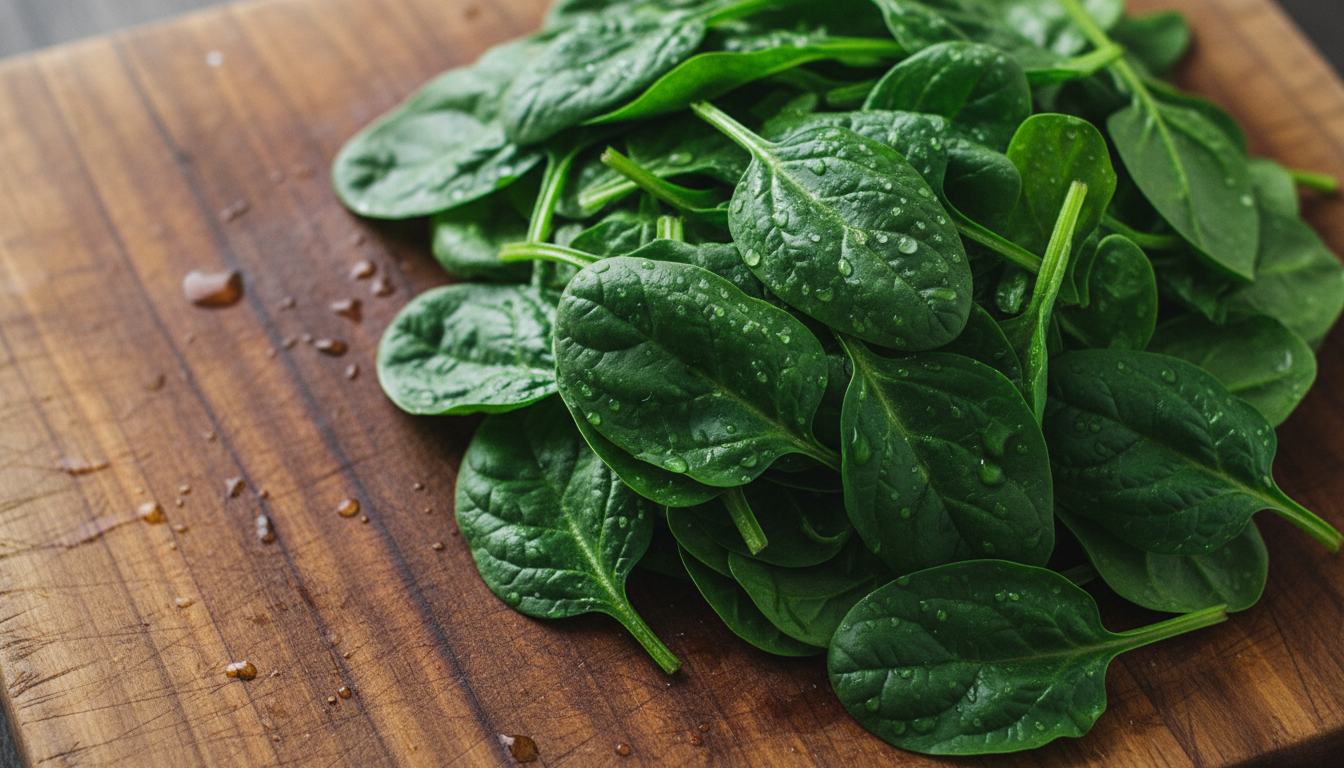
The star of our show! You’ll need about 1-1.5 pounds (approximately 500-700 grams) of fresh spinach. Look for vibrant green leaves, free from wilting or yellowing. Baby spinach can also be used, which often requires less cleaning. The freshness of the spinach is paramount to the color and flavor of your palak paneer. This is the core ingredient in any recipe for making palak paneer.
Paneer (Indian Cottage Cheese)
Paneer is the creamy, non-melting cheese that gives the dish its substance. You’ll need about 8-10 ounces (225-280 grams). While readily available in most Indian grocery stores and many large supermarkets, you can also make paneer at home for an even fresher taste. If using store-bought paneer, ensure it’s fresh and soft. Hard paneer can ruin the texture of the dish. Some people like to lightly fry or toast their paneer before adding it to the curry, but for this classic recipe for making palak paneer, we’ll focus on keeping it soft and tender.
Aromatics and Base Ingredients
These form the flavor backbone of your palak paneer:
- Onion: One medium-sized onion, finely chopped. It adds sweetness and depth.
- Garlic: 4-5 cloves, minced or grated. Essential for that distinct Indian flavor profile.
- Ginger: A 1-inch piece, minced or grated. Pairs perfectly with garlic.
- Green Chilies: 1-2, deseeded and chopped (adjust to your spice preference). Provides a gentle kick.
- Tomatoes: 1 medium-sized tomato, pureed or finely chopped. Adds a subtle tang and helps balance the flavors. Not all recipes use tomatoes, but it often enhances the overall profile of this recipe for making palak paneer.
- Ghee or Oil: 2-3 tablespoons. Ghee (clarified butter) offers a richer, more traditional flavor, but any neutral cooking oil works well.
Spices: The Soul of the Curry
Precision with spices is key to a truly flavorful recipe for making palak paneer:

A rich, creamy green spinach puree swirling in a stainless steel pan, with hints of golden sautéed o…
- Cumin Seeds (Jeera): 1 teaspoon. Used for tempering at the beginning.
- Turmeric Powder (Haldi): 1/2 teaspoon. For color and its earthy notes.
- Coriander Powder (Dhaniya): 1 teaspoon. A foundational spice in Indian cooking.
- Garam Masala: 1 teaspoon. A fragrant blend of ground spices, added at the end for aroma.
- Salt: To taste.
- Sugar: 1/2 teaspoon (optional, but helps balance the tartness and enhance flavors).
For Richness and Creaminess
These ingredients transform the spinach puree into a luxurious gravy:
- Heavy Cream: 2-3 tablespoons. Adds a velvety texture and richness. This is a common addition to many versions of a recipe for making palak paneer.
- Cashews (optional): A small handful, soaked in warm water for 15-20 minutes, then pureed. Offers a dairy-free way to add creaminess and body.
- Lemon Juice or Kasuri Methi (Dried Fenugreek Leaves): A squeeze of lemon juice at the end brightens the flavors. A pinch of crushed Kasuri Methi adds an incredible, authentic aroma to this authentic Indian cuisine.
Step-by-Step Guide: The Ultimate Recipe for Making Palak Paneer
Now that we have all our ingredients ready, let’s dive into the cooking process. Follow these steps carefully to create a delicious and authentic palak paneer.
Step 1: Preparing the Spinach
1. Clean the Spinach: Thoroughly wash the spinach leaves under running water to remove any dirt or grit. If using mature spinach, you might need to trim the tough stems.
2. Blanch the Spinach: Bring a large pot of water to a rolling boil. Carefully add the cleaned spinach leaves to the boiling water. Let them cook for just 1-2 minutes, or until they wilt and turn a brighter green. Do not overcook, as this can lead to a dull color and loss of nutrients.
3. Shock the Spinach: Immediately drain the blanched spinach and transfer it to a bowl of ice-cold water. This ‘shocks’ the spinach, stopping the cooking process and helping to retain its vibrant green color. This step is crucial for the visual appeal of your recipe for making palak paneer.

A beautifully plated bowl of palak paneer, garnished with a swirl of fresh cream and a sprig of cila…
4. Puree the Spinach: Squeeze out as much excess water from the spinach as possible. Transfer the blanched spinach to a blender or food processor. Add the green chilies (and soaked cashews, if using). Blend until you get a smooth, vibrant green puree. Set aside.
Step 2: Preparing the Paneer
1. Cut the Paneer: Cut the paneer block into 1/2 to 3/4 inch cubes. You can make them larger or smaller based on your preference. These paneer cubes are central to the dish.
2. Soften the Paneer (Optional but Recommended): If your paneer feels a bit firm, soak the cubes in warm water for 10-15 minutes before adding them to the curry. This will make them incredibly soft and melt-in-your-mouth tender, enhancing the overall experience of your recipe for making palak paneer. Alternatively, you can shallow fry the paneer until lightly golden for a different texture, but for a classic soft paneer, soaking is preferred.
Step 3: Making the Gravy Base
1. Heat Ghee/Oil: In a large pan or kadai, heat 2-3 tablespoons of ghee or oil over medium heat.
2. Temper Cumin Seeds: Once the oil is hot, add the cumin seeds. Let them splutter and turn light brown, releasing their aroma. This is the first layer of flavor in our recipe for making palak paneer.
3. Sauté Aromatics: Add the chopped onions and sauté until they turn translucent and light golden brown, about 5-7 minutes. Stir frequently to prevent burning.
4. Add Ginger and Garlic: Stir in the minced ginger and garlic. Sauté for another minute until their raw smell disappears. Be careful not to burn the garlic.
5. Cook Tomatoes (If Using): If you’re adding tomatoes, add the pureed or chopped tomatoes now. Cook for 5-7 minutes, stirring occasionally, until the tomatoes soften and the oil starts to separate from the mixture. This step builds a rich base for the recipe for making palak paneer.
6. Add Dry Spices: Reduce the heat to low. Add turmeric powder, coriander powder, and salt. Cook for 30 seconds, stirring constantly, allowing the spices to toast and release their flavors. A splash of water can prevent spices from burning.
Step 4: Combining and Simmering
1. Introduce Spinach Puree: Pour the prepared spinach puree into the pan with the aromatic base. Mix everything thoroughly. Bring the mixture to a gentle simmer. Be cautious as the spinach puree can splutter. You are now well on your way to completing this authentic recipe for making palak paneer.
2. Adjust Consistency: If the gravy appears too thick, add a little water (about 1/4 to 1/2 cup) to reach your desired consistency. Remember, it will thicken slightly as it cools.
3. Add Paneer: Gently add the softened paneer cubes to the simmering spinach gravy. Stir carefully to coat the paneer without breaking it. Let it simmer for another 5-7 minutes, allowing the paneer to absorb the flavors of the gravy. This step is crucial for the paneer to fully integrate into the recipe for making palak paneer.
Step 5: Finishing Touches
1. Add Cream and Garam Masala: Stir in the heavy cream (if using) and garam masala. Mix well. Cook for just 1-2 minutes more; do not boil after adding cream, as it can curdle.
2. Final Flavor Adjustments: Taste the palak paneer and adjust salt or add a pinch of sugar if needed to balance the flavors. A squeeze of fresh lemon juice can brighten the dish significantly. If you have Kasuri Methi, crush a small amount between your palms and sprinkle it over the curry for an extra layer of aroma. This completes the recipe for making palak paneer.
3. Garnish and Serve: Garnish with a swirl of fresh cream or a few sprigs of cilantro, if desired. Your delicious homemade palak paneer is now ready to be served!
Tips and Tricks for a Perfect Palak Paneer
Achieving the perfect palak paneer goes beyond just following the steps. Here are some expert tips to elevate your recipe for making palak paneer:
- Don’t Overcook Spinach: Overcooking spinach not only leads to nutrient loss but also dulls its vibrant green color, making your dish less appealing. Stick to the 1-2 minute blanching rule.
- Shocking is Key: The ice bath step is non-negotiable for preserving the bright green hue of the spinach. It stops the cooking process instantly.
- Smooth Puree: Ensure your spinach puree is completely smooth. Any fibrous bits can detract from the creamy texture. Use a high-powered blender if possible.
- Soak Paneer: As mentioned, soaking paneer in warm water makes a huge difference in its tenderness. This simple step can transform the mouthfeel of your palak paneer.
- Balance Spices: Taste as you go. Indian cooking is all about balancing flavors. Don’t be afraid to adjust salt, add a touch more chili if you like heat, or a pinch of sugar to round out the flavors in your recipe for making palak paneer.
- Avoid Excessive Water: While some water might be needed to adjust consistency, adding too much can dilute the flavors. Start with a little and add more only if necessary.
- Freshness Matters: Always use fresh ingredients, especially spinach and ginger-garlic paste. Freshness truly shines through in this Indian vegetarian dish.
Variations and Customizations for Your Palak Paneer
The beauty of a recipe for making palak paneer lies in its adaptability. While the classic version is fantastic, you can easily customize it to suit your preferences or dietary needs:
Vegan Palak Paneer
To make this dish vegan, simply replace paneer with firm tofu (pressed and cubed) or even potatoes. Use a plant-based cream (like cashew cream or coconut cream) instead of dairy cream. Ensure you use oil instead of ghee. The rest of the recipe for making palak paneer remains largely the same, delivering a wonderfully flavorful plant-based curry.
Adding Other Vegetables
While traditional palak paneer focuses on spinach, you can easily incorporate other vegetables. A handful of green peas, chopped bell peppers, or even mushrooms can be added along with the paneer. This not only adds variety but also boosts the nutritional content of your dish.
Adjusting Spice Levels
If you prefer a milder curry, reduce the number of green chilies or omit them entirely. For more heat, add an extra chili or a pinch of red chili powder along with the other dry spices. This recipe for making palak paneer is flexible enough for all palates.
Richer Gravy Options
For an even richer, more luxurious gravy, consider adding a tablespoon of plain yogurt (whisked to prevent curdling) along with the cream, or increase the amount of pureed cashews. Some recipes also include a small amount of besan (chickpea flour) roasted briefly with the aromatics to add body.
Serving Suggestions for Your Homemade Palak Paneer
Once you’ve mastered the recipe for making palak paneer, knowing how to serve it truly completes the meal. Palak paneer is incredibly versatile and pairs well with a variety of accompaniments:
- Indian Breads: The most classic pairing is with hot, freshly made naan, roti, or paratha. The soft bread is perfect for scooping up the creamy spinach gravy.
- Rice: Basmati rice, jeera rice (cumin rice), or even plain steamed rice are excellent choices. The rice absorbs the flavors of the curry beautifully.
- Side Dishes: A simple cucumber raita (yogurt dip), some sliced onions, and a lemon wedge can complement the richness of the palak paneer perfectly.
- Complete Meal: Combine your palak paneer with a lentil dish (like dal makhani or dal tadka) and a simple salad for a wholesome and satisfying Indian feast. Every component of this meal, especially the creamy spinach gravy, works in harmony.
Common Mistakes to Avoid When Following a Recipe for Making Palak Paneer
Even with a clear recipe for making palak paneer, it’s easy to make small mistakes that can impact the final dish. Being aware of these common pitfalls can help you avoid them:
1. Overcooking Spinach: As highlighted, this is a major one. It leads to a brownish, mushy spinach puree and a loss of nutrients. Stick to quick blanching and immediate shocking.
2. Not Squeezing Enough Water from Spinach: Excess water will dilute the flavors of your gravy and make it watery. Squeeze out as much as you can after blanching.
3. Hard Paneer: If your paneer is tough, the dish won’t have that desirable melt-in-your-mouth quality. Always soak store-bought paneer in warm water if it’s not already soft.
4. Burning Spices: Dry spices can burn quickly, turning bitter. Keep the heat low when adding them and cook for only a short period, stirring constantly. A splash of water can save them.
5. Adding Cream Too Early or Boiling After: Adding cream too early or letting the curry boil vigorously after adding it can cause the cream to curdle, resulting in an unappetizing texture. Stir it in at the very end and just gently warm through.
6. Lack of Flavor Depth: Sometimes, a palak paneer can taste bland. This often comes from not properly sautéing the onions, ginger, and garlic, or not allowing the spices to bloom. Give each stage its time. This recipe for making palak paneer emphasizes building layers of flavor.
7. Ignoring Seasoning Adjustments: Don’t just follow the salt measurement blindly. Taste your curry before serving and adjust seasoning as needed. The acidity of tomatoes or the bitterness of spinach can sometimes require a little sugar to balance.
By keeping these tips in mind, your journey through this recipe for making palak paneer will be smooth and result in a truly delightful dish. This spinach and cheese curry is a testament to the fact that delicious, healthy food can be made right at home with a little care and attention. Enjoy the process of creating your own flavorful and authentic recipe for making palak paneer.
This recipe for making palak paneer is more than just instructions; it’s a guide to creating a culinary experience. Whether you’re a seasoned chef or a home cook, the satisfaction of preparing such a vibrant and flavorful dish from scratch is immense. Enjoy your journey with this recipe for making palak paneer and savor every bite of your homemade creation. The beauty of this recipe for making palak paneer lies in its simplicity and profound flavors. It’s a testament to the rich culinary heritage that it represents. So, go ahead and try this recipe for making palak paneer today. You’ll be glad you did! This particular recipe for making palak paneer focuses on ease and authentic taste. Every step of this recipe for making palak paneer is designed for clarity. The careful steps in this recipe for making palak paneer ensure success. This recipe for making palak paneer is a crowd-pleaser. You’ll find this recipe for making palak paneer to be quite flexible. Mastering this recipe for making palak paneer is rewarding. This recipe for making palak paneer will become a favorite. The flavors in this recipe for making palak paneer are well-balanced. This recipe for making palak paneer is perfect for weeknights. Enjoy the process of this recipe for making palak paneer.

A dynamic still life composition featuring a stainless steel pot of boiling water with bright green …
Comparison Analysis
| Feature | Classic Palak Paneer |
|---|---|
| Spinach Preparation | Blanched & Pureed |
| Paneer Texture | Soft & Tender |
| Gravy Base | Onion, Ginger, Garlic, Spices |
+Pros
- Highly nutritious due to fresh spinach content.
- Rich in protein from paneer, making it a satisfying vegetarian meal.
- Versatile and can be customized with varying spice levels or added vegetables.
- Relatively straightforward to prepare at home with common ingredients.
- Offers a unique, creamy texture and vibrant flavor profile.
- Freezes well, making it suitable for meal prepping.
–Cons
- –Requires multiple steps, including blanching and pureeing spinach.
- –Can be high in calories if excessive cream or ghee is used.
- –Some may find the taste of spinach overpowering if not balanced with spices.
- –Store-bought paneer can sometimes be hard, requiring extra softening steps.
- –Color can dull if spinach is overcooked during blanching.
Key Takeaways
- Palak Paneer is a nutritious and flavorful North Indian dish combining spinach and paneer.
- Mastering the recipe involves careful blanching of spinach, proper paneer preparation, and a balanced spice blend.
- Achieving a creamy texture is key, often through blending spinach with aromatics and adding cream or cashews.
- Customization is easy, allowing for variations in spice levels and the inclusion of other vegetables.
- Serving palak paneer with Indian breads like naan or roti, or with rice, completes the traditional meal.
Frequently Asked Questions
How do I prevent my palak paneer from turning dark green or brownish?
To prevent your palak paneer from turning dark, it’s crucial to blanch the spinach for only 1-2 minutes in boiling water, then immediately transfer it to an ice bath. This process, called shocking, stops the cooking and locks in the vibrant green color. Do not overcook the spinach.
Can I make this palak paneer recipe vegan?
Yes, you can substitute paneer with firm tofu for a vegan version. Press the tofu well to remove excess water, then cut into cubes and add as you would paneer. Alternatively, you can use boiled potatoes or even chickpeas for a different texture and flavor.
My paneer is often hard in palak paneer. How can I make it soft?
To make paneer soft and tender, especially if it’s store-bought and firm, soak the cut paneer cubes in warm water for about 10-15 minutes before adding them to the curry. This simple trick makes a significant difference in the texture.
Do I have to add tomatoes to palak paneer?
While tomatoes add a subtle tang and depth, they are optional. Some traditional recipes omit them for a purer spinach flavor. If you prefer a brighter green color without any reddish tint, you can skip the tomatoes in this recipe for making palak paneer.
How long can I store leftover palak paneer?
Palak paneer can be stored in an airtight container in the refrigerator for 3-4 days. It also freezes well for up to 2-3 months. Thaw overnight in the fridge and reheat gently on the stovetop, adding a splash of water if needed to adjust consistency.
How can I make my palak paneer spicier or milder?
You can adjust the spice level by modifying the number of green chilies. For less spice, deseed the chilies or use fewer. For more heat, add an extra chili or a pinch of red chili powder along with the other dry spices.
Should I fry the paneer before adding it to the curry?
While some recipes call for frying paneer, it’s not strictly necessary. For a softer texture, soaking in warm water is preferred. Frying gives the paneer a slightly firmer exterior and a different flavor, which some people enjoy, but it’s a matter of preference for this recipe for making palak paneer.
What should I serve with palak paneer?
The best accompaniments for palak paneer include Indian breads like naan, roti, or paratha, which are perfect for scooping up the gravy. It also pairs wonderfully with basmati rice, jeera rice, or a simple plain rice.
Why does my palak paneer taste bitter?
If your palak paneer tastes bitter, it’s often due to overcooking the spinach or not balancing the flavors adequately. A small pinch of sugar, a squeeze of lemon juice, or a little extra cream can help counteract bitterness and balance the overall taste of this recipe for making palak paneer.
Can I use homemade paneer for this recipe?
Absolutely! Homemade paneer is often fresher and softer, enhancing the overall quality of your palak paneer. If you’re up for the task, making paneer from scratch is a rewarding experience that will elevate this recipe for making palak paneer even further.
Conclusion
Mastering the **recipe for making palak paneer** is a deeply rewarding culinary achievement. This guide has provided you with all the essential steps, tips, and tricks to create a dish that is not only visually stunning with its vibrant green hue but also incredibly rich in flavor and texture. From the careful blanching of fresh spinach to the gentle inclusion of soft paneer, every detail contributes to an authentic North Indian experience that speaks volumes of comfort and tradition. This isn’t just about following instructions; it’s about understanding the synergy of ingredients and techniques that transform simple components into a culinary masterpiece. The joy of preparing this **recipe for making palak paneer** at home lies in the ability to customize it to your exact preferences, ensuring every bite is a reflection of your taste. So, gather your ingredients, set aside some time, and embark on this delicious adventure. Don’t let the thought of making a complex Indian dish deter you; with this comprehensive **recipe for making palak paneer**, success is within your reach. Share your creation with loved ones, pair it with your favorite bread or rice, and savor the rich, aromatic flavors of a truly homemade Indian delight. Your kitchen is now ready to become a haven for authentic Indian cuisine. Give this **recipe for making palak paneer** a try today and taste the difference!