The Enduring Appeal of Russian Tea Cakes
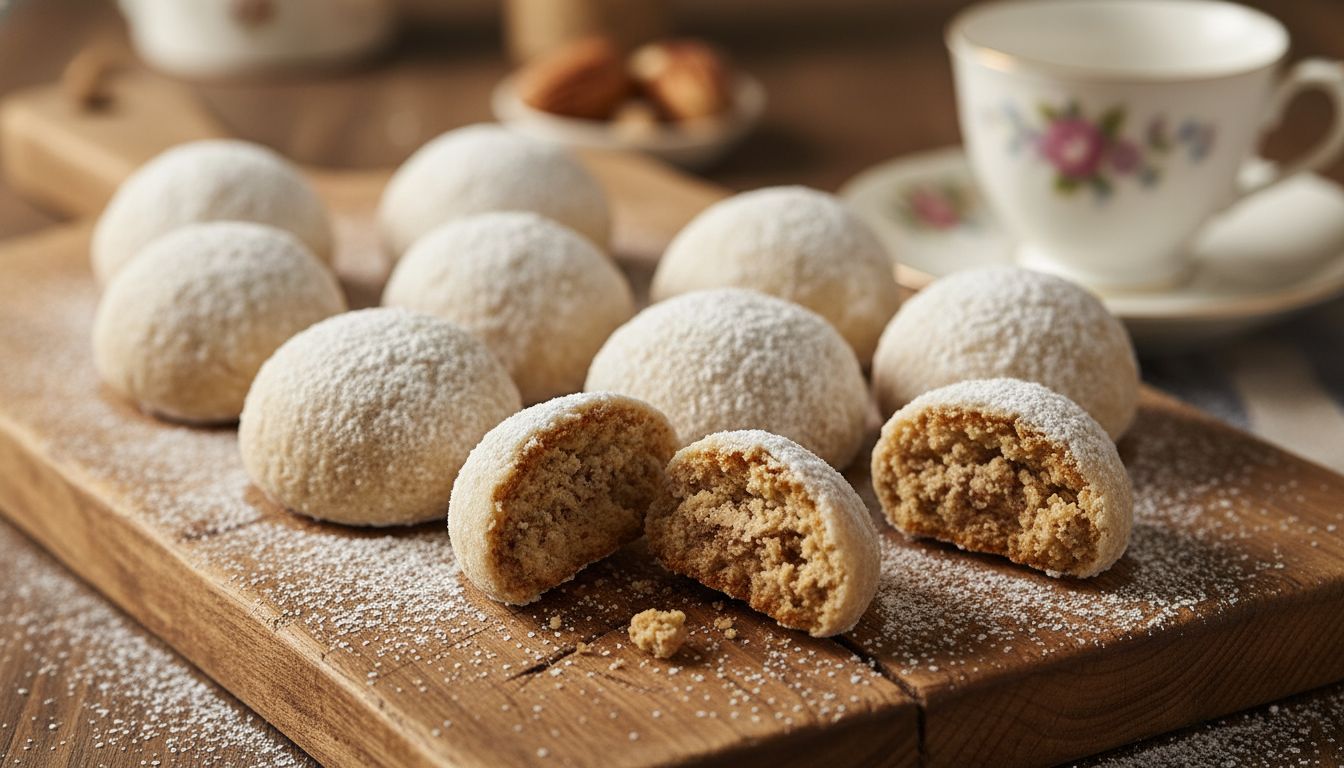
The humble russian tea cakes recipe holds a special place in the hearts of cookie lovers worldwide. These delightful, melt-in-your-mouth confections, often referred to as Snowball Cookies or Mexican Wedding Cakes, are a testament to the power of simple ingredients combined with meticulous technique. Their history is somewhat shrouded in delicious mystery, but their popularity is undeniable. These cookies are believed to have originated in medieval Europe, likely a variation of a shortbread-like biscuit, and then traveled through various cultures, picking up new names and slight regional twists along the way. The “Russian” moniker possibly refers to their appearance, reminiscent of snow-covered landscapes, or perhaps their association with elaborate Russian tea ceremonies. Regardless of their exact lineage, the essence of a good russian tea cakes recipe remains constant: a rich, buttery dough, often studded with finely ground nuts, baked to a tender crisp, and then generously rolled in powdered sugar. This classic treat is more than just a cookie; it’s a nostalgic symbol of comfort, celebration, and shared joy, making the russian tea cakes recipe a timeless addition to any baker’s repertoire. Every bite offers a delicate balance of sweetness and nuttiness, a truly irresistible combination. Mastering the russian tea cakes recipe is a rewarding endeavor that yields delicious results every time.

A detailed shot of hands gently rolling a warm, freshly baked russian tea cake in a shallow bowl ove…
Understanding the Core Ingredients for Your Russian Tea Cakes Recipe
Creating the perfect russian tea cakes recipe begins with understanding the role each ingredient plays. High-quality components are key to achieving that signature delicate texture and rich flavor.
Butter: The Foundation of Flavor
Butter is perhaps the most critical ingredient in any russian tea cakes recipe. It provides the rich, tender crumb that these cookies are famous for. Always opt for unsalted butter so you can control the salt content yourself. Ensure your butter is at room temperature – this is crucial for proper creaming with the sugar, leading to a light and airy dough. Cold butter won’t cream properly, and melted butter will result in a greasy, dense cookie. The fat content of butter is what gives these cookies their incredible melt-in-your-mouth quality, making the choice of butter paramount for your russian tea cakes recipe.
Flour: The Structure
All-purpose flour is typically used for a russian tea cakes recipe. It provides the necessary structure without making the cookies too tough. The key here is to measure your flour correctly – spoon it into your measuring cup and level it off, rather than scooping directly, which can compact the flour and lead to a dry, dense cookie. Overmixing the flour will develop the gluten, resulting in a tougher cookie, which is the opposite of the desired delicate texture for this russian tea cakes recipe.
Powdered Sugar: Sweetness and Coating
Powdered sugar (confectioners’ sugar) serves a dual purpose in a russian tea cakes recipe. A small amount is incorporated into the dough for sweetness, but its primary role is the generous coating after baking. The fine texture of powdered sugar creates that iconic snowy appearance and adds a final touch of sweetness that melts delightfully on the tongue. Don’t skimp on the double-dusting for the authentic russian tea cakes recipe experience.
Nuts: The Signature Crunch
Finely ground nuts are what truly elevate a russian tea cakes recipe. Pecans are the traditional choice, offering a rich, buttery flavor that complements the cookie dough beautifully. Walnuts are another popular option, providing a slightly more robust, earthy taste. Almonds can also be used for a milder, sweeter flavor. Whichever you choose, ensure they are finely ground to prevent them from tearing the delicate dough and to ensure a smooth texture in the finished cookie. Toasting the nuts lightly before grinding can deepen their flavor, adding another layer of complexity to your russian tea cakes recipe.
Vanilla Extract: Aromatic Depth
Vanilla extract is essential for adding a warm, aromatic depth to your russian tea cakes recipe. Use a good quality pure vanilla extract for the best flavor. It enhances the sweetness and rounds out the nutty notes, making the cookies even more irresistible. Don’t underestimate the power of this simple ingredient in transforming your russian tea cakes recipe.

A whimsical illustration showing abstract elements representing the journey of a russian tea cakes r…
Step-by-Step Guide to the Perfect Russian Tea Cakes Recipe
Embark on your baking journey with confidence using this detailed, step-by-step guide to mastering the russian tea cakes recipe.
Gathering Your Tools and Ingredients
Before you begin, ensure you have all your ingredients measured and at room temperature. You’ll need:
- Unsalted butter
- Powdered sugar
- Vanilla extract
- All-purpose flour
- Finely ground nuts (pecans, walnuts, or almonds)
- A stand mixer with a paddle attachment or a hand mixer
- Mixing bowls
- Measuring cups and spoons
- Baking sheets
- Parchment paper or silicone baking mats
- A wire cooling rack
- A shallow bowl for dusting
Having everything ready will make the process of preparing your russian tea cakes recipe smooth and enjoyable.
Creaming Butter and Sugar
In the bowl of your stand mixer, fitted with the paddle attachment, cream together the softened unsalted butter and about 1/4 cup of powdered sugar on medium speed. Beat until the mixture is light, fluffy, and pale in color, typically 2-3 minutes. This step incorporates air into the butter, which is vital for the tender texture of your russian tea cakes recipe. Scrape down the sides of the bowl as needed to ensure everything is well combined.
Adding Vanilla and Nuts
Once the butter and sugar are perfectly creamed, add the vanilla extract and mix until just combined. Next, fold in your finely ground nuts. Mix on low speed until the nuts are evenly distributed throughout the buttery mixture. This adds the signature nutty flavor and texture to your russian tea cakes recipe.

A festive holiday cookie platter laden with a variety of beautifully dusted russian tea cakes, along…
Incorporating Flour
Gradually add the all-purpose flour to the wet ingredients, mixing on low speed until just combined. Be careful not to overmix! As soon as you no longer see streaks of dry flour, stop mixing. Overmixing develops gluten, which will make your russian tea cakes recipe tough instead of delicate. The dough will be soft and somewhat crumbly at this stage.
Chilling the Dough: A Crucial Step
This is a non-negotiable step for a successful russian tea cakes recipe. Cover the dough and refrigerate it for at least 30 minutes, or up to an hour. Chilling allows the butter to firm up, making the dough easier to handle and preventing the cookies from spreading too much during baking. It also helps the flavors meld together, enhancing the overall taste of your russian tea cakes recipe.
Shaping the Cookies
Preheat your oven to 350°F (175°C). Line baking sheets with parchment paper or silicone baking mats. Take small portions of the chilled dough, about 1 tablespoon each, and roll them into smooth, uniform balls. Aim for consistency in size to ensure even baking. Place the rolled dough balls about 1 inch apart on the prepared baking sheets. This careful shaping contributes to the classic appearance of your russian tea cakes recipe.
Baking to Perfection
Bake the cookies for 12-15 minutes, or until the bottoms are lightly golden and the tops are set but still pale. They should not brown significantly. Overbaking will make them dry, so keep a close eye on them. Once baked, remove the baking sheets from the oven and let the cookies cool on the sheets for 5-10 minutes before transferring them to a wire rack. They are delicate when warm, so handle them gently. This precise baking is key to a tender russian tea cakes recipe.
The Double-Dusting Technique
While the cookies are still warm (but cool enough to handle), roll them generously in a shallow bowl filled with powdered sugar. The warmth helps the sugar adhere to the cookies. Allow them to cool completely on a wire rack. Once fully cooled, roll them in powdered sugar a second time. This double-dusting creates that iconic, thick, snowy coating that is characteristic of the best russian tea cakes recipe. Don’t skip this step!
Tips and Tricks for a Flawless Batch of Russian Tea Cakes
Achieving perfection with your russian tea cakes recipe is within reach with these expert tips.
Ingredient Temperature Matters
As mentioned, room temperature butter is essential. But also, ensure your eggs (if any variations call for them, though traditional russian tea cakes recipe typically don’t use them) are at room temperature. This helps all ingredients combine smoothly and emulsify properly, leading to a consistent dough texture.
Don’t Overmix
This cannot be stressed enough. Overmixing flour develops gluten, making cookies tough. Mix only until the flour is just incorporated. The delicate, crumbly texture is a hallmark of a great russian tea cakes recipe.
Finely Ground Nuts
For the best texture, ensure your nuts are very finely ground, almost like a coarse flour. Large pieces can disrupt the cookie’s delicate structure. You can use a food processor for this, but be careful not to over-process them into nut butter. This makes all the difference in the mouthfeel of your russian tea cakes recipe.
Chilling is Non-Negotiable
Chilling the dough isn’t just about preventing spread; it allows the butter to firm up, making the dough easier to handle and the cookies more uniform. It also gives the flavors time to meld. A well-chilled dough is the secret to a professional-looking russian tea cakes recipe.
Evenly Sized Cookies
Use a cookie scoop or measure out your dough portions to ensure all cookies are the same size. This guarantees they bake evenly, preventing some from being overdone while others are underbaked. Consistency is key for a beautiful batch of russian tea cakes recipe.
Patience with Powdered Sugar
The double-dusting is crucial. The first roll adheres to the slightly warm cookie, and the second roll, once cooled, creates a thicker, more stable coating that won’t absorb into the cookie as much. This gives the russian tea cakes recipe its iconic snowy finish.
Creative Variations for Your Russian Tea Cakes Recipe
While the classic russian tea cakes recipe is perfect as is, it also serves as an excellent canvas for creative variations. Experimenting with different flavors can add a delightful twist to this beloved cookie.
Nutty Alternatives (Almond, Pistachio)
Instead of pecans or walnuts, try almonds for a milder, sweeter flavor. You can even use pistachios for a vibrant green hue and a distinct, slightly earthy taste. Simply substitute the same amount of finely ground nuts as called for in the original russian tea cakes recipe.
Spiced Delights (Cinnamon, Cardamom)
A pinch of ground cinnamon, nutmeg, or cardamom can add a warm, inviting aroma and flavor to your russian tea cakes recipe. Add about 1/2 teaspoon of your chosen spice along with the flour for a cozy, spiced version.
Citrus Zest Infusion
For a bright, refreshing twist, add 1-2 teaspoons of finely grated lemon or orange zest to the butter and sugar mixture. The citrus notes beautifully complement the richness of the butter and nuts in the russian tea cakes recipe.
Chocolate Lovers’ Twist
Incorporate 1/4 cup of mini chocolate chips or finely chopped dark chocolate into the dough along with the nuts. For an extra decadent treat, you could even add a teaspoon of cocoa powder to the dry ingredients, transforming your russian tea cakes recipe into a chocolate snowball cookie.
Gluten-Free Adaptation
For those with dietary restrictions, a gluten-free russian tea cakes recipe is entirely possible. Simply substitute the all-purpose flour with a 1:1 gluten-free baking flour blend that contains xanthan gum. The results will be surprisingly similar in texture and taste.
Serving Suggestions and Pairings
Russian Tea Cakes recipe cookies are incredibly versatile. They are, of course, perfect alongside a cup of tea or coffee, living up to their name. They also make a fantastic addition to holiday cookie platters, bringing a touch of elegance and whimsy. Consider pairing them with a glass of milk, hot chocolate, or even a dessert wine. Their delicate sweetness and nutty flavor make them a delightful finish to any meal or a lovely afternoon treat. The classic simplicity of the russian tea cakes recipe truly shines when shared with loved ones.
Common Mistakes to Avoid When Making a Russian Tea Cakes Recipe
Even experienced bakers can sometimes stumble. Here are some common pitfalls to avoid to ensure your russian tea cakes recipe turns out perfectly every time:
- Using cold butter: This leads to a dense dough and a less tender cookie. Always use softened, room-temperature butter.
- Overmixing the dough: As emphasized, this develops gluten and results in tough cookies. Mix only until just combined.
- Not chilling the dough: Skipping the chilling step can lead to flat, spread-out cookies that lose their signature spherical shape.
- Overbaking: Pale is good! Overbaked russian tea cakes recipe cookies will be dry and crumbly rather than tender and melt-in-your-mouth.
- Skipping the second dusting of powdered sugar: The double-dusting is essential for the classic snowy appearance and a more lasting, appealing finish.
- Using coarsely ground nuts: Large nut pieces can create a grainy texture and make the cookies more prone to crumbling. Fine grinding is key for this russian tea cakes recipe.
Storage and Shelf Life
Proper storage is key to maintaining the freshness and delicate texture of your russian tea cakes recipe. Store them in an airtight container at room temperature for up to one week. You can also freeze the baked, undusted cookies for up to 3 months. When ready to serve, thaw them at room temperature and then roll them in powdered sugar twice. The dough can also be frozen for up to 3 months; simply thaw in the refrigerator overnight before rolling and baking. This makes the russian tea cakes recipe a great make-ahead option for busy holidays.
Nutritional Information
While specific nutritional values will vary based on exact ingredients and portion sizes, russian tea cakes recipe cookies are generally high in calories and fat due to their butter and nut content. They are a treat to be enjoyed in moderation, especially during special occasions. A single cookie typically contains around 80-120 calories, with varying amounts of fat, carbohydrates, and a small amount of protein.

An artistic rendering of the key ingredients for a russian tea cakes recipe arranged aesthetically: …
Comparison Analysis
| Feature | Russian Tea Cakes Recipe | Mexican Wedding Cookies | Snowball Cookies |
|---|---|---|---|
| :—————– | :———————– | :———————- | :———————— |
| Main Nut | Pecans (traditional) | Pecans, Walnuts | Pecans, Walnuts, Almonds |
| Flavor Profile | Buttery, nutty, vanilla | Buttery, nutty, vanilla | Buttery, nutty, vanilla |
| Sweetener | Powdered sugar | Powdered sugar | Powdered sugar |
| Texture | Melt-in-your-mouth, tender, crumbly | Melt-in-your-mouth, tender | Melt-in-your-mouth, tender |
| Origin | European/Russian | Mexican | Various/General |
| Key Difference | Often considered the same cookie with regional names and slight variations in nut choice. |
+Pros
- Melt-in-your-mouth, delicate texture.
- Elegant and festive appearance, perfect for holidays.
- Relatively simple russian tea cakes recipe to follow.
- Versatile with various nut and flavor additions.
- Excellent make-ahead cookie as they freeze well.
–Cons
- –Can be messy due to the powdered sugar coating.
- –High in butter and sugar, making them a rich treat.
- –Requires chilling time, adding to preparation duration.
- –Delicate when warm, requiring careful handling.
Key Takeaways
- Russian Tea Cakes are buttery, nutty, melt-in-your-mouth cookies often called Snowball Cookies or Mexican Wedding Cakes.
- The core of a great russian tea cakes recipe lies in quality butter, finely ground nuts, and precise chilling.
- Achieving the signature powdered sugar coating requires a double-dusting technique.
- Variations like adding spices or different nuts can personalize your russian tea cakes recipe.
- Proper storage is crucial to maintain their delicate texture and fresh flavor.
Frequently Asked Questions
What are Russian Tea Cakes?
Russian Tea Cakes are delicate, buttery, shortbread-like cookies typically made with finely ground nuts (often pecans or walnuts) and generously coated in powdered sugar. They are known for their melt-in-your-mouth texture. Many variations of the russian tea cakes recipe exist, but the core elements remain consistent.
Are Russian Tea Cakes the same as Mexican Wedding Cookies or Snowball Cookies?
Yes, they are essentially the same cookie, often referred to by different names based on regional or cultural context. The core russian tea cakes recipe is very similar across these variations, with minor differences in nut choice or subtle flavorings.
What kind of nuts are best for a Russian Tea Cakes recipe?
Traditionally, pecans are preferred for their rich, buttery flavor. Walnuts are also a popular choice. For a milder taste, almonds can be used. The key is to finely grind them for the best texture in your russian tea cakes recipe.
Why do my Russian Tea Cakes spread too much?
Cookies spreading too much is usually due to butter being too warm or the dough not being chilled sufficiently. Ensure your butter is at room temperature but not melted, and always chill your dough for at least 30 minutes before baking to firm up the butter. This is crucial for any russian tea cakes recipe.
How do I get the powdered sugar to stick to the cookies?
The best method is a double-dusting technique. Roll the cookies in powdered sugar while they are still warm (but cool enough to handle). Let them cool completely, then roll them in powdered sugar a second time. This creates a thick, lasting snowy coating for your russian tea cakes recipe.
Can I make Russian Tea Cakes gluten-free?
Absolutely! You can easily adapt a russian tea cakes recipe to be gluten-free by substituting the all-purpose flour with a 1:1 gluten-free baking flour blend that includes xanthan gum. The texture and taste will be very similar.
How long do Russian Tea Cakes last?
When stored in an airtight container at room temperature, Russian Tea Cakes will stay fresh for up to one week. They also freeze exceptionally well, either baked and undusted, or as raw dough, for up to 3 months.
Can I add other flavors to my Russian Tea Cakes recipe?
Yes, the russian tea cakes recipe is very adaptable! Consider adding citrus zest (lemon or orange), a pinch of cinnamon or cardamom, or even mini chocolate chips to the dough for delightful variations.
What makes a Russian Tea Cake different from a shortbread cookie?
While both are buttery, Russian Tea Cakes typically incorporate finely ground nuts and are rolled in powdered sugar, giving them a distinct melt-in-your-mouth, crumbly texture and a sweet, snowy appearance. Shortbread is usually denser and has a crispier snap.
Is chilling the dough really necessary for this russian tea cakes recipe?
Yes, chilling the dough is absolutely necessary. It firms up the butter, prevents excessive spreading during baking, and allows the flavors to deepen. Don’t skip this step for the best results with your russian tea cakes recipe.
Conclusion
The journey to master the russian tea cakes recipe is a delightful one, culminating in a batch of cookies that are as beautiful to behold as they are delicious to eat. These timeless treats, whether you call them Snowball Cookies, Mexican Wedding Cakes, or their classic name, embody the warmth and joy of baking. We’ve explored the essential ingredients, walked through each step of the baking process, and provided you with invaluable tips to ensure your success. From the rich, buttery base to the delicate crunch of nuts and the iconic powdered sugar coating, every element of the russian tea cakes recipe works in harmony to create an unforgettable experience. Now, it’s your turn to bring this magic into your kitchen. Gather your ingredients, follow this comprehensive guide, and prepare to be enchanted by the delicate charm of these beloved cookies. Don’t just bake; create memories. Share your perfect russian tea cakes recipe with family and friends, and watch as these little balls of joy bring smiles to every face. Happy baking!