The Heart of Mexican Cuisine: Exploring Diverse Mexican Soup Recipes
Mexican cuisine is globally celebrated for its vibrant flavors, fresh ingredients, and rich cultural heritage. While tacos and enchiladas often steal the spotlight, the world of mexican soup recipes offers an equally captivating and diverse experience. These aren’t just simple broths; they are complex, layered dishes that tell stories of regional traditions, ancient ingredients, and generations of culinary expertise. From refreshing cold soups perfect for a warm day to robust, spicy stews designed to warm you from the inside out, mexican soup recipes are a cornerstone of the country’s gastronomic identity.

An inviting overhead shot of a Sopa de Tortilla bowl, featuring golden crispy tortilla strips, cream…
Pozole: A Celebratory Classic Among Mexican Soup Recipes
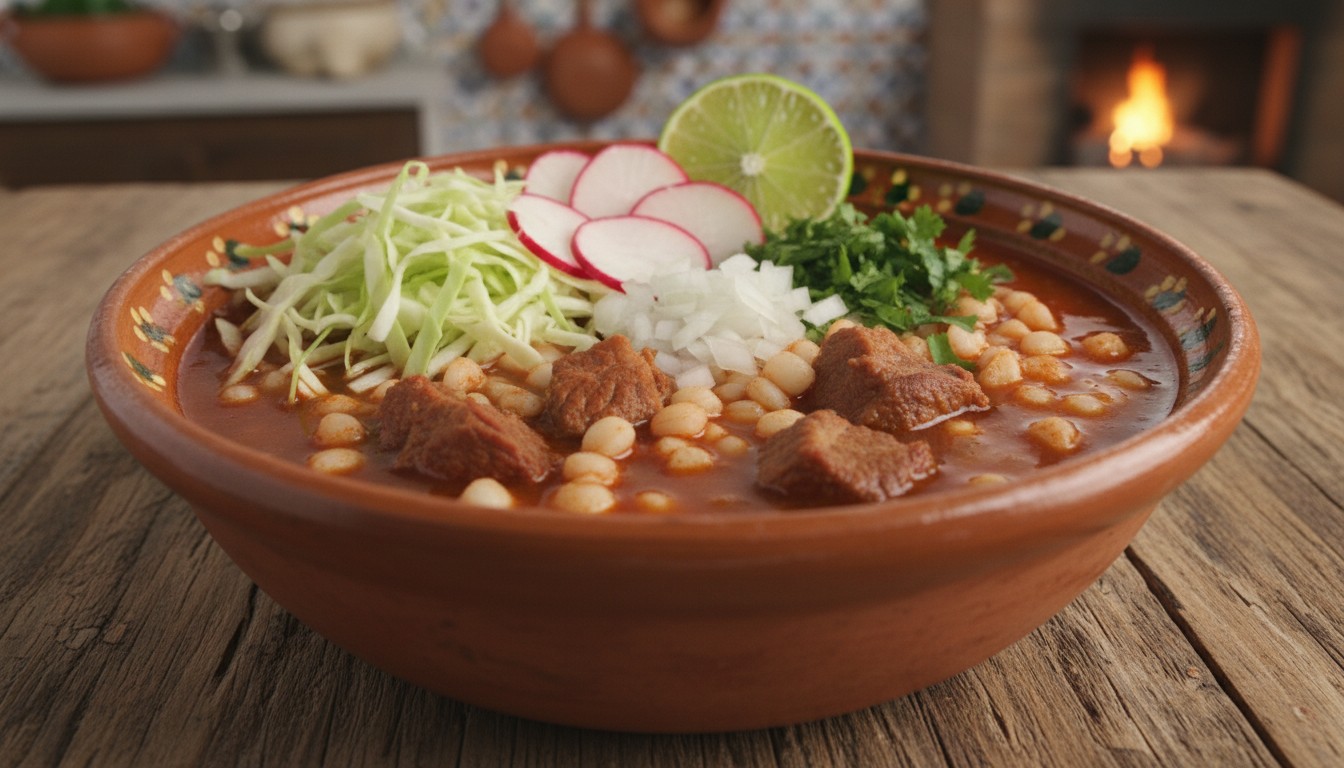
When discussing mexican soup recipes, Pozole inevitably comes to mind. This iconic, hearty soup is often served during holidays and special occasions, though it’s enjoyed year-round. Its main ingredient is hominy, large dried corn kernels that have been nixtamalized, giving them a unique texture and flavor. Pozole comes in three main varieties:
- Pozole Rojo: Characterized by its deep red color, derived from dried red chiles like guajillo and ancho. It typically features pork, slow-cooked until incredibly tender.
- Pozole Blanco: A clear broth version, also often made with pork, seasoned simply with garlic, onion, and herbs, allowing the natural flavors of the hominy and pork to shine.
- Pozole Verde: Common in states like Guerrero, this variant gets its green hue from tomatillos, jalapeños, cilantro, and often epazote. Chicken or pork can be used, and it sometimes includes pumpkin seeds.
Regardless of the color, all pozole is served with an array of garnishes, including shredded lettuce or cabbage, radishes, onion, oregano, lime wedges, and tostadas. Preparing this among the many mexican soup recipes is a labor of love, but the rich, complex flavors are incredibly rewarding.
Sopa de Tortilla: A Beloved Comfort Food
Sopa de Tortilla, or Tortilla Soup, is arguably one of the most globally recognized mexican soup recipes. It’s a comforting, flavorful chicken broth-based soup, distinguished by its crispy fried tortilla strips. The broth itself is often enriched with roasted tomatoes, garlic, onion, and chiles (like pasilla or ancho), giving it a smoky depth. What truly elevates this soup are the toppings: avocado, crumbled cheese (like queso fresco), sour cream or crema Mexicana, and often a squeeze of lime. It’s a fantastic example of how simple ingredients can come together to create a profoundly satisfying dish that showcases the brilliance of mexican soup recipes.
Caldo de Res: The Ultimate Beef Broth
For those who appreciate a robust and wholesome meal, Caldo de Res (Mexican Beef Soup) is a must-try. This is one of the most nourishing mexican soup recipes, packed with tender chunks of beef (often shank or short ribs) and a medley of root vegetables such as carrots, potatoes, chayote, corn on the cob, and cabbage. The broth is simmered for hours, allowing the flavors to meld beautifully, resulting in a rich, savory liquid that is incredibly restorative. Served with lime wedges, chopped cilantro, and warm tortillas, Caldo de Res is a complete meal in a bowl, embodying the hearty spirit of traditional Mexican dishes.
Menudo: A Traditional Weekend Feast
Menudo is a traditional Mexican soup, often enjoyed on weekends or after festivities, believed by many to be a hangover cure. It’s made with beef tripe (stomach lining) in a red chili broth, typically seasoned with hominy, onion, and garlic. While its main ingredient might be an acquired taste for some, Menudo is deeply cherished in Mexican culture for its unique flavor and texture. Preparing Menudo is a lengthy process, often taking several hours of slow simmering to ensure the tripe is tender. This is one of the more unique mexican soup recipes, embodying a long-standing culinary tradition.
Frijoles Charros: Rustic Bean Soup with a Kick
Frijoles Charros, or “cowboy beans,” is a rustic and incredibly flavorful bean soup that often accompanies grilled meats or serves as a hearty side dish. These pinto beans are cooked with bacon, chorizo, ham, onion, garlic, and often jalapeño or serrano peppers, creating a smoky, savory, and slightly spicy broth. It’s a testament to how humble ingredients can be transformed into something extraordinary within the realm of mexican soup recipes. Every spoonful offers a burst of flavor, making it a truly satisfying experience.

A rustic earthenware bowl filled with Frijoles Charros, showcasing pinto beans, bits of bacon, chori…
Sopa de Lentejas: A Lentil Soup with Mexican Flair
While lentil soup is found in many cuisines, Sopa de Lentejas takes on a distinct Mexican character. This comforting and nutritious soup often includes vegetables like carrots, potatoes, and celery, along with a base of tomatoes, garlic, and onion. It might also feature chorizo or bacon for added depth. Seasoned with cumin, oregano, and often a touch of chipotle for a smoky heat, this is one of the more wholesome mexican soup recipes, perfect for a light yet filling meal. It’s a fantastic vegetarian-friendly option that can easily be adapted.
Caldo de Pollo: Simple, Yet Profoundly Comforting
Caldo de Pollo, or Mexican Chicken Soup, is the ultimate comfort food. Simple, clear, and incredibly flavorful, it’s often the first thing offered to someone feeling under the weather. Made with whole chicken pieces, vegetables like carrots, potatoes, zucchini, and corn, and a delicate broth seasoned with onion, garlic, and cilantro, it’s nourishing and soothing. It’s one of those essential mexican soup recipes that every home cook should have in their repertoire, offering warmth and a taste of home.
Sopa de Albóndigas: Hearty Meatball Soup
Sopa de Albóndigas is a delightful Mexican meatball soup featuring tender meatballs (often made with ground beef or pork, rice, and mint) simmered in a light, flavorful tomato-based broth with vegetables like carrots, potatoes, and zucchini. The mint in the meatballs adds a distinctive and refreshing flavor that sets this apart from other meatball soups. It’s a hearty and satisfying option among mexican soup , beloved by both children and adults for its comforting qualities.
Beyond the Basics: Exploring Regional Mexican Soup Recipes
The world of mexican soup extends far beyond these well-known examples. Each region of Mexico boasts its unique culinary traditions and, consequently, its own distinctive soups. For instance, in some coastal areas, you might find Caldo de Camarón (Shrimp Soup) or Sopa de Pescado (Fish Soup), bursting with fresh seafood flavors. In central Mexico, Sopa Azteca might refer to a specific variant of tortilla soup with distinct regional toppings or broth preparations. The beauty of these authentic Mexican cuisine traditions lies in their regional diversity.
Exploring these variations allows for a deeper appreciation of the country’s culinary landscape. Many of these lesser-known mexican soup use indigenous ingredients and ancient techniques, offering a glimpse into the rich history of Mexican gastronomy. Don’t be afraid to seek out and experiment with less common mexican soup to broaden your culinary horizons. The journey itself is as rewarding as the delicious destination.

An abstract, artistic shot focusing on the vibrant colors and textures of key ingredients for mexica…
Essential Ingredients for Authentic Mexican Soup Recipes
To truly master mexican soup recipes, understanding the core ingredients is crucial. These components are the building blocks of flavor and authenticity:
- Chiles: Fresh and dried chiles are fundamental. Ancho, guajillo, pasilla, arbol, jalapeño, and serrano each contribute unique heat and flavor profiles. They are often rehydrated, toasted, and blended into the broth.
- Tomatillos: These small, green, husk-covered fruits provide a tangy, bright base for many green sauces and soups.
- Corn (Hominy): Essential for pozole, hominy adds a distinct chewy texture and corn flavor.
- Beans: Pinto, black, and cannellini beans are staples, providing protein and thickening for hearty bean-based mexican soup recipes.
- Herbs: Cilantro and epazote are two of the most commonly used herbs. Epazote has a unique, pungent flavor often associated with beans and certain soups.
- Aromatics: Onion, garlic, and sometimes bell peppers form the aromatic base for almost all mexican soup recipes.
- Proteins: Pork, chicken, beef, and seafood are common protein choices, slow-cooked to tender perfection.
- Limes: A squeeze of fresh lime juice is almost universally added at the end, brightening flavors and adding a crucial acidic balance to many mexican soup recipes. It’s a game-changer for enhancing the overall flavor profile of these flavorful broths.
Tips for Perfecting Your Mexican Soup Recipes
Making delicious mexican soup at home is an achievable and rewarding endeavor. Here are a few tips to help you succeed:
1. Use Quality Ingredients: Fresh, high-quality ingredients make a significant difference. Seek out authentic Mexican chiles and fresh produce.
2. Roast Your Vegetables: For soups like Sopa de Tortilla, roasting tomatoes, onions, and garlic before blending them into the broth adds a depth of smoky flavor.
3. Simmer, Don’t Boil: Many mexican soup recipes benefit from a long, slow simmer. This allows flavors to meld and proteins to become incredibly tender.
4. Balance the Heat: Taste as you go when adding chiles. You can always add more heat, but it’s hard to take it away. Offer extra hot sauce on the side.
5. Don’t Skimp on Garnishes: Garnishes are not just for show; they add crucial texture, freshness, and acidity. Fresh cilantro, diced onion, avocado, radishes, and lime wedges are essential for many mexican soup recipes.
6. Embrace the Process: Some traditional mexican soup recipes, like Menudo or Pozole, require time. Enjoy the cooking process; it’s part of the culinary experience.
The Health Benefits of Mexican Soup Recipes
Beyond their incredible taste, many mexican soup recipes offer significant nutritional benefits. They are often packed with vegetables, lean proteins, and fiber-rich beans and hominy. The broths themselves can be incredibly hydrating and restorative, especially the lighter hearty stews and chicken-based soups. The spices and chiles used in mexican soup recipes are also known for their anti-inflammatory properties and ability to boost metabolism. Incorporating these delicious and wholesome dishes into your diet is a fantastic way to enjoy flavorful meals while also nourishing your body. The versatility of mexican soup recipes means you can find options for almost any dietary need or preference.
Pairing Mexican Soup Recipes with Drinks and Sides
Mexican soup recipes are often meals in themselves, but they can be beautifully complemented by certain drinks and sides. For a truly authentic experience, consider pairing your soup with:
- Agua Frescas: Refreshing fruit-infused waters like horchata (rice milk), jamaica (hibiscus), or tamarindo are perfect for balancing the rich flavors and sometimes spicy kick of mexican soup recipes.
- Warm Tortillas: Freshly made corn tortillas or warm flour tortillas are ideal for dipping into the flavorful broths or scooping up ingredients.
- Crusty Bread: While not traditionally Mexican, a good crusty bread can also be a wonderful accompaniment for soaking up the delicious liquids of many mexican soup recipes.
- Simple Salad: A light green salad with a citrus vinaigrette can provide a refreshing contrast to a hearty soup.
These additions enhance the dining experience, making your exploration of mexican soup recipes even more enjoyable. When you prepare Caldo de Res, for example, having warm tortillas ready is almost mandatory. The joy of mexican soup recipes extends beyond the bowl itself, encompassing the entire mealtime experience.
Frequently Asked Questions About Mexican Soup Recipes
Many home cooks have questions when they delve into the world of mexican soup recipes. Here are some common inquiries to help you on your culinary journey:
What makes Mexican soup recipes different from other soups?
Mexican soup recipes are distinct due to their unique flavor profiles, which often come from a combination of fresh and dried chiles, specific herbs like epazote and cilantro, and staple ingredients like hominy, tomatillos, and beans. The cooking techniques, such as roasting vegetables for the broth, also contribute to their singular character. The emphasis on fresh, vibrant ingredients is key to the appeal of mexican soup recipes.
Are all mexican soup recipes spicy?
No, not all mexican soup recipes are spicy. While many do incorporate chiles, the level of heat varies greatly. Some, like Caldo de Pollo or Pozole Blanco, can be quite mild, with heat added via optional garnishes. Others, like Pozole Rojo or certain regional variations, might be spicier. You can always adjust the amount and type of chile to suit your preference when making mexican soup recipes.
Can I make mexican soup recipes vegetarian or vegan?
Absolutely! Many mexican soup recipes can be easily adapted to be vegetarian or vegan. For example, you can omit meat from Pozole or Caldo de Res and use vegetable broth instead of chicken or beef broth. Frijoles Charros can be made without bacon or chorizo, and Sopa de Lentejas is naturally vegetarian. There are plenty of delicious plant-based mexican soup recipes to explore.
How long do mexican soup recipes typically take to cook?
The cooking time for mexican soup varies widely. Simpler soups like Caldo de Pollo or Sopa de Tortilla can be ready in under an hour and a half. Heartier stews like Pozole or Menudo, however, often require several hours of simmering to tenderize the meat and fully develop the flavors. The best mexican soup often benefit from slow cooking.
What are the best garnishes for mexican soup recipes?
Common and essential garnishes for mexican soup recipes include fresh lime wedges, chopped cilantro, diced white onion, sliced radishes, shredded cabbage or lettuce, crumbled queso fresco, and avocado slices. Crispy tortilla strips are also popular for soups like Sopa de Tortilla. These garnishes add texture, freshness, and a crucial burst of flavor.
Can mexican soup recipes be frozen?
Yes, many mexican soup freeze well. Broth-based soups like Caldo de Pollo, Sopa de Lentejas, and even Pozole (without the hominy added until reheating) can be frozen for several months. It’s best to freeze them in airtight containers or freezer bags after they have cooled completely. This makes meal prep for your favorite mexican soup s much easier.
What is hominy and why is it used in some mexican soup recipes?
Hominy is dried corn kernels that have undergone a process called nixtamalization, where they are soaked and cooked in an alkaline solution. This process removes the hull, softens the corn, and enhances its nutritional value and flavor. It’s a key ingredient in Pozole, giving the soup its characteristic chewy texture and earthy corn flavor, making it indispensable for authentic mexican soup recipes.
Where can I find authentic ingredients for mexican soup recipes?
Many supermarkets now carry a good selection of Mexican ingredients. For more specialized items like dried chiles, epazote, or fresh masa for tortillas, look for a Mexican grocery store or a Latin American market. Online specialty stores are also a great resource for finding authentic ingredients to perfect your mexican soup recipes. Don’t be afraid to ask for recommendations for the best places to find ingredients for your mexican soup recipes.
What is the difference between Mexican crema and sour cream in mexican soup recipes?
Mexican crema is thinner, less tangy, and has a richer, buttery flavor than American sour cream. It’s also less likely to curdle when added to hot soups. While sour cream can be used as a substitute, for the most authentic flavor in your mexican soup recipes, seek out crema Mexicana. It truly makes a difference in the richness of the final dish, especially when drizzled over your favorite mexican soup recipes.

A steaming bowl of Caldo de Res filled with large chunks of tender beef, corn on the cob, carrots, p…
Comparison Analysis
| Feature | Pozole Rojo | Sopa de Tortilla | Caldo de Res | Frijoles Charros |
|---|---|---|---|---|
| Main Protein | Pork | Chicken | Beef | Bacon, Chorizo, Ham |
| Broth Base | Red Chile | Tomato-Chicken | Beef | Pinto Bean |
| Key Ingredient | Hominy | Tortilla Strips | Root Vegetables | Pinto Beans |
| Spice Level | Medium-Hot | Mild-Medium | Mild | Medium |
| Preparation Time | Long (4+ hours) | Medium (1-2 hours) | Long (3+ hours) | Medium (1.5-2.5 hours) |
| Typical Occasion | Celebrations, Weekend | Weekday Meal, Comfort | Family Meal, Nourishing | Side Dish, Casual Meal |
| Garnishes | Cabbage, Radish, Onion, Lime, Oregano | Avocado, Cheese, Crema, Lime | Cilantro, Onion, Lime | Cilantro, Onion, Queso Fresco |
+Pros
- Incredibly diverse range of flavors and textures, catering to all palates.
- Many mexican soup recipes are hearty and serve as a complete, satisfying meal.
- Often rich in vegetables, proteins, and fiber, offering significant nutritional benefits.
- Perfect for warming up on a cold day or as a comforting dish when feeling unwell.
- Provides an authentic taste of Mexican culture and culinary tradition.
- Many recipes are budget-friendly, utilizing common and affordable ingredients.
- Excellent for meal prepping, as many mexican soup recipes freeze and reheat well.
–Cons
- –Some traditional mexican soup recipes can be time-consuming to prepare, requiring long simmering times.
- –Certain ingredients (like specific dried chiles or epazote) might be harder to find outside of specialty markets.
- –The spiciness of some mexican soup recipes may not appeal to everyone.
- –Some recipes, like Menudo, use ingredients (e.g., tripe) that might be an acquired taste for new explorers of mexican soup recipes.
- –Requires a good understanding of balancing flavors, especially chile heat, for optimal results.
Key Takeaways
- Mexican soup recipes are incredibly diverse, offering options from light broths to hearty stews suitable for any occasion.
- Many traditional mexican soup recipes have deep cultural and historical roots, often tied to specific regions or celebrations.
- Key ingredients like chiles, corn, beans, and fresh herbs are fundamental to the authentic flavors found in Mexican soup recipes.
- Preparing authentic mexican soup recipes at home is achievable with the right ingredients and techniques, bringing a taste of Mexico to your table.
- Beyond just flavor, these mexican soup recipes offer warmth, comfort, and often significant nutritional value.
Frequently Asked Questions
What makes Mexican soup recipes different from other soups?
Mexican soup recipes are distinct due to their unique flavor profiles, which often come from a combination of fresh and dried chiles, specific herbs like epazote and cilantro, and staple ingredients like hominy, tomatillos, and beans. The cooking techniques, such as roasting vegetables for the broth, also contribute to their singular character. The emphasis on fresh, vibrant ingredients is key to the appeal of mexican soup recipes.
Are all mexican soup recipes spicy?
No, not all mexican soup recipes are spicy. While many do incorporate chiles, the level of heat varies greatly. Some, like Caldo de Pollo or Pozole Blanco, can be quite mild, with heat added via optional garnishes. Others, like Pozole Rojo or certain regional variations, might be spicier. You can always adjust the amount and type of chile to suit your preference when making mexican soup recipes.
Can I make mexican soup recipes vegetarian or vegan?
Absolutely! Many mexican soup recipes can be easily adapted to be vegetarian or vegan. For example, you can omit meat from Pozole or Caldo de Res and use vegetable broth instead of chicken or beef broth. Frijoles Charros can be made without bacon or chorizo, and Sopa de Lentejas is naturally vegetarian. There are plenty of delicious plant-based mexican soup recipes to explore.
How long do mexican soup recipes typically take to cook?
The cooking time for mexican soup recipes varies widely. Simpler soups like Caldo de Pollo or Sopa de Tortilla can be ready in under an hour and a half. Heartier stews like Pozole or Menudo, however, often require several hours of simmering to tenderize the meat and fully develop the flavors. The best mexican soup recipes often benefit from slow cooking.
What are the best garnishes for mexican soup recipes?
Common and essential garnishes for mexican soup recipes include fresh lime wedges, chopped cilantro, diced white onion, sliced radishes, shredded cabbage or lettuce, crumbled queso fresco, and avocado slices. Crispy tortilla strips are also popular for soups like Sopa de Tortilla. These garnishes add texture, freshness, and a crucial burst of flavor.
Can mexican soup recipes be frozen?
Yes, many mexican soup recipes freeze well. Broth-based soups like Caldo de Pollo, Sopa de Lentejas, and even Pozole (without the hominy added until reheating) can be frozen for several months. It’s best to freeze them in airtight containers or freezer bags after they have cooled completely. This makes meal prep for your favorite mexican soup recipes much easier.
What is hominy and why is it used in some mexican soup recipes?
Hominy is dried corn kernels that have undergone a process called nixtamalization, where they are soaked and cooked in an alkaline solution. This process removes the hull, softens the corn, and enhances its nutritional value and flavor. It’s a key ingredient in Pozole, giving the soup its characteristic chewy texture and earthy corn flavor, making it indispensable for authentic mexican soup recipes.
Where can I find authentic ingredients for mexican soup recipes?
Many supermarkets now carry a good selection of Mexican ingredients. For more specialized items like dried chiles, epazote, or fresh masa for tortillas, look for a Mexican grocery store or a Latin American market. Online specialty stores are also a great resource for finding authentic ingredients to perfect your mexican soup recipes. Don’t be afraid to ask for recommendations for the best places to find ingredients for your mexican soup recipes.
What is the difference between Mexican crema and sour cream in mexican soup recipes?
Mexican crema is thinner, less tangy, and has a richer, buttery flavor than American sour cream. It’s also less likely to curdle when added to hot soups. While sour cream can be used as a substitute, for the most authentic flavor in your mexican soup recipes, seek out crema Mexicana. It truly makes a difference in the richness of the final dish, especially when drizzled over your favorite mexican soup recipes.
Conclusion
The world of **mexican soup recipes** is a culinary treasure trove, brimming with flavors that range from comforting and mild to bold and spicy. Each bowl offers a unique glimpse into the rich history and diverse regional traditions of Mexico. We’ve journeyed through iconic dishes like Pozole, Sopa de Tortilla, Caldo de Res, and many more, highlighting the essential ingredients and techniques that bring these authentic flavors to life. Whether you’re a seasoned chef or a home cook looking to expand your repertoire, there’s a mexican soup recipe waiting to become your new favorite. Don’t be intimidated by the seemingly complex preparations; with a little patience and the right ingredients, you can recreate the magic of these traditional mexican soup recipes in your own kitchen. We encourage you to explore, experiment, and savor the incredible depth of flavor that these dishes offer. So, grab your apron, gather your ingredients, and embark on your own delicious adventure into the heart of Mexican cuisine. Your taste buds will thank you for discovering the unparalleled joy of authentic mexican soup recipes. Start cooking today and bring the warmth and vibrancy of Mexico to your table with these amazing mexican soup recipes!