Understanding the Autoimmune Protocol (AIP)
The Autoimmune Protocol (AIP) is more than just a diet; it’s a therapeutic approach designed to reduce inflammation, heal the gut, and ultimately help manage symptoms of autoimmune diseases. It’s an elimination diet that focuses on removing common food triggers that can contribute to inflammation and gut permeability, often referred to as ‘leaky gut.’ By eliminating these foods, the body gets a chance to rest, repair, and rebalance. The core principle behind AIP recipe is that many autoimmune conditions are exacerbated by an unhealthy gut, which can lead to systemic inflammation. By focusing on nutrient-dense foods and removing potential irritants, AIP recipes aims to calm the immune system.

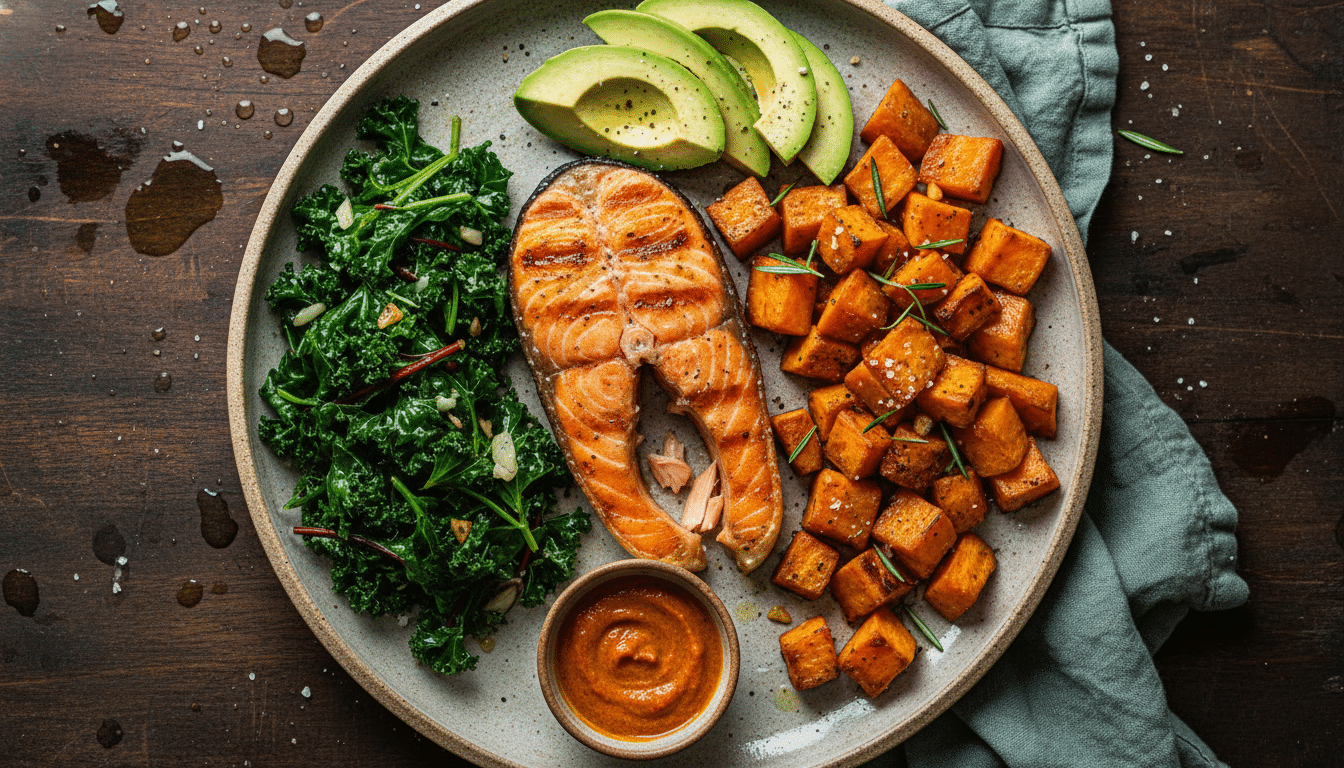
An abstract overhead shot of a beautifully arranged plate featuring a wholesome AIP meal. The plate …
The Science Behind AIP: Gut Health and Inflammation
At the heart of AIP recipes lies the intricate connection between gut health and autoimmune disease. Research suggests that a compromised gut lining allows undigested food particles and toxins to enter the bloodstream, triggering an immune response. This phenomenon, known as increased intestinal permeability, can contribute to chronic inflammation throughout the body. The AIP recipes diet targets this by removing foods known to irritate the gut, such as grains, legumes, dairy, nightshades, eggs, nuts, and seeds. Simultaneously, it emphasizes foods rich in vitamins, minerals, and beneficial compounds that support gut healing, such as bone broth, fermented foods, and a wide array of colorful vegetables. The goal is to reduce the immune system’s burden, allowing it to modulate and reduce its attack on the body’s own tissues.
Getting Started with AIP: Essential Pantry Staples
Embarking on the AIP recipes journey requires a well-stocked pantry. Thinking ahead about your grocery list can significantly ease the transition and ensure you always have ingredients on hand for delicious AIP recipes. Here’s a breakdown of essential categories:
- Healthy Fats: Olive oil, coconut oil, avocado oil, lard, tallow, duck fat. These are crucial for cooking and adding flavor.
- Proteins: A variety of pastured and grass-fed meats (beef, lamb, bison), wild-caught fish and seafood, poultry. Organ meats like liver are highly encouraged for their nutrient density.
- Vegetables: An abundance of non-nightshade vegetables – leafy greens (spinach, kale, collards), cruciferous vegetables (broccoli, cauliflower, Brussels sprouts), root vegetables (sweet potatoes, carrots, parsnips, rutabaga), squashes (butternut, spaghetti, zucchini), and sea vegetables.
- Fruits: Limited to 10-20 grams of fructose per day, focusing on berries, apples, bananas, and melons.
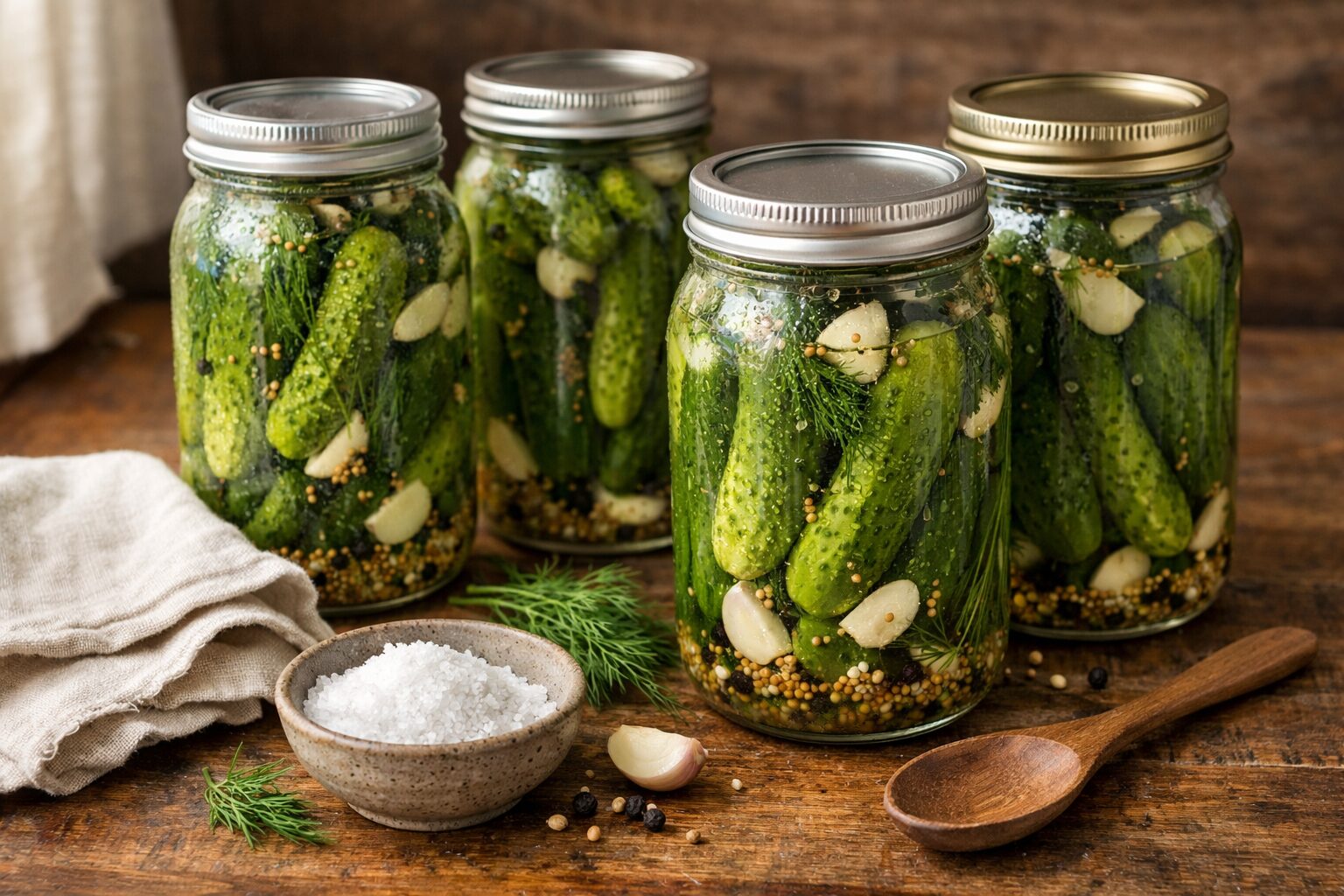
- Fermented Foods: Sauerkraut, kimchi (ensure no nightshades), kombucha, coconut yogurt/kefir (plain, unsweetened). These support a healthy gut microbiome.
- Herbs and Spices: Fresh and dried herbs (basil, oregano, thyme, rosemary, cilantro), ginger, turmeric, cinnamon, sea salt. Avoid spices derived from seeds (cumin, coriander, mustard seed, fennel) during the elimination phase.
- Flours/Thickeners: Tapioca flour, arrowroot powder, coconut flour (use sparingly).
- Sweeteners: Maple syrup, honey (in moderation).
- Broth: High-quality bone broth is a cornerstone of the AIP diet for its gut-healing properties.
Navigating the Elimination Phase: Practical Tips and AIP Recipes
The Elimination diet is the first and most crucial phase of the Autoimmune Protocol. It typically lasts for 30-90 days, or until a significant reduction in symptoms is observed. During this time, strict adherence to the approved food list is paramount. This phase is designed to remove all potential triggers, allowing your body to heal without constant irritation. It might seem daunting at first, but with proper planning and a focus on creative aip recipes, it becomes much more manageable.
Breakfast Ideas
Traditional breakfast foods like eggs, toast, and oatmeal are off-limits, but that doesn’t mean your mornings have to be bland. Embrace savory options or fruit-based alternatives:
- Leftover Dinner: Often the easiest and most nutrient-dense breakfast. Think a piece of salmon with roasted sweet potatoes and sautéed greens.
- Smoothies: Blend coconut milk, spinach, berries (low sugar), and a scoop of collagen for a quick, gut-friendly start.
- Breakfast Bowls: Sautéed ground meat (turkey, beef) with chopped sweet potato, kale, and a drizzle of olive oil.
- “No-Oatmeal” Porridge: Cooked and mashed plantains or sweet potatoes with cinnamon and a splash of coconut milk.
Lunch & Dinner Staples
Variety is key to preventing boredom and ensuring a wide range of nutrients. Focus on a protein, a healthy fat, and abundant vegetables.
- Sheet Pan Meals: Toss chopped chicken or fish with a variety of AIP-compliant vegetables (broccoli, carrots, sweet potatoes, zucchini) in olive oil and herbs, then roast until tender.
- Stir-Fries: Use ground meat or sliced chicken/beef with a medley of colorful vegetables like bok choy, carrots, and mushrooms, seasoned with ginger, garlic, and coconut aminos.
- Soups and Stews: Bone broth-based soups packed with shredded chicken or beef and a variety of root vegetables and leafy greens are incredibly comforting and healing. Experiment with different AIP recipes for stews.
- Salads: Large salads with cooked protein (chicken, fish, steak) and plenty of greens, cucumber, carrots, and a simple olive oil and apple cider vinegar dressing.
- Meatballs/Patties: Ground beef or turkey mixed with grated zucchini and herbs, pan-fried or baked.
Snacks
Having AIP-compliant snacks on hand prevents impulsive, non-compliant choices.

A visually appealing flat lay of various AIP recipes-compliant snacks in small, aesthetically pleasing bowls…
- Fresh fruit (in moderation).
- Vegetable sticks (carrots, celery, cucumber) with guacamole or an AIP recipes-friendly dip.
- Leftover cooked protein.
- Coconut butter or homemade AIP-friendly fruit leather.
- Olives or avocado slices.
The Reintroduction Phase: A Step-by-Step Guide
Once symptoms have significantly improved during the elimination phase, you can begin the reintroduction phase. This is a critical step, as it helps identify which specific foods trigger your symptoms and allows you to expand your diet safely. The goal is to reintroduce foods slowly and systematically, observing your body’s response.
How to Reintroduce Foods:
1. Choose One Food at a Time: Select a food that was eliminated (e.g., egg yolks, specific nuts, a nightshade vegetable).
2. Test a Small Amount: On Day 1, eat a small amount (e.g., 1/2 teaspoon) of the food. Wait 15 minutes. If no reaction, eat a slightly larger amount (e.g., 1 teaspoon). Wait a few hours. If no reaction, eat a normal-sized portion later in the day.
3. Observe for 5-7 Days: Avoid the tested food for the next 5-7 days and monitor for any symptoms. Symptoms can be varied: digestive issues, headaches, skin rashes, joint pain, fatigue, mood changes, etc.
4. Evaluate: If no symptoms appear, the food is likely safe for you to consume. If symptoms appear, the food is a trigger and should be avoided for a longer period (e.g., 3-6 months) before attempting reintroduction again.

A stylized depiction of gut health, showing a glowing, vibrant intestine intertwined with various he…
5. Repeat: Once you’ve successfully reintroduced a food, wait a few days before introducing the next one. This methodical approach is key to accurate identification of triggers.
Common reintroduction categories include egg yolks, specific nuts, seed-based spices, coffee, specific nightshades (e.g., bell peppers), and gluten-free grains like rice.
Making AIP recipes Sustainable: Batch Cooking and Meal Prep
Sustainability is crucial for long-term success on the Autoimmune Protocol. The demanding nature of the diet can quickly lead to burnout if not managed effectively. This is where batch cooking and meal prep become invaluable tools. By dedicating a few hours once or twice a week, you can significantly reduce daily cooking stress and ensure a steady supply of compliant meals and snacks.
Strategies for Effective Meal Prep:
- Plan Your Week: Before you shop, plan your meals and snacks for the entire week. This helps create your grocery list and ensures you have all necessary ingredients for your AIP recipes.
- Cook in Bulk: Prepare large quantities of staple items. Roast multiple sweet potatoes, cook a big batch of ground meat, or make a large pot of bone broth. These form the base for many quick meals.
- Chop and Store Veggies: Wash, chop, and store vegetables in airtight containers. This saves time during daily meal assembly.
- Pre-Cook Proteins: Grill or bake chicken breasts, cook a large roast, or prepare several portions of fish. Having cooked protein readily available is a game-changer.
- Make AIP-Friendly Sauces and Dressings: Prepare a batch of your favorite AIP-compliant dressings or sauces (e.g., a simple vinaigrette, a ginger-garlic sauce) to add flavor to meals throughout the week.
- Assemble Components: Instead of fully cooked meals, prepare components that can be mixed and matched. For example, roasted chicken, steamed broccoli, and baked sweet potato can be combined in various ways.
Beyond Food: Lifestyle Factors for Autoimmune Health
While AIP recipes and dietary changes are central to the protocol, they represent only one pillar of autoimmune healing. A holistic approach recognizes that lifestyle factors play an equally significant role in managing inflammation and supporting overall well-being. Addressing these areas can amplify the benefits of your dietary efforts and lead to more profound and lasting improvements.
Stress Management
Chronic stress is a powerful trigger for inflammation and can exacerbate autoimmune symptoms. When stressed, the body releases cortisol, which, while anti-inflammatory in the short term, can disrupt immune function and gut health when elevated consistently. Incorporating stress-reducing practices into your daily routine is vital:
- Mindfulness and Meditation: Even 10-15 minutes a day can significantly lower stress levels.
- Deep Breathing Exercises: Simple techniques like box breathing can calm the nervous system.
- Yoga or Tai Chi: Gentle movement practices that combine physical activity with mental focus.
- Spending Time in Nature: “Forest bathing” or simply being outdoors has documented stress-reducing benefits.
- Journaling: Expressing thoughts and feelings can be a powerful emotional release.
Quality Sleep
Sleep is when the body repairs and regenerates. Chronic sleep deprivation can increase inflammation, impair immune function, and disrupt hormone balance. Aim for 7-9 hours of quality, uninterrupted sleep per night. To improve sleep hygiene:
- Establish a Regular Sleep Schedule: Go to bed and wake up at the same time, even on weekends.
- Create a Relaxing Bedtime Routine: This could include a warm bath, reading a book, or gentle stretching.
- Optimize Your Sleep Environment: Ensure your bedroom is dark, quiet, and cool.
- Limit Screen Time Before Bed: The blue light emitted from devices can interfere with melatonin production.
Movement and Exercise
Regular physical activity is beneficial for reducing inflammation, improving circulation, and boosting mood. However, intense, high-impact exercise can sometimes be counterproductive for individuals with autoimmune conditions, leading to flare-ups. Focus on gentle, consistent movement:
- Walking: A simple yet effective form of exercise.
- Swimming: Low-impact and beneficial for joint health.
- Yoga and Pilates: Improve flexibility, strength, and body awareness.
- Strength Training: Using light weights or bodyweight to build muscle mass.
Social Connection and Purpose
Humans are social creatures, and strong social connections are linked to better health outcomes. Cultivating a sense of purpose and belonging can significantly impact mental and emotional well-being, which in turn supports physical health. Engage in activities that bring you joy and connect you with others, whether it’s volunteering, joining a hobby group, or spending quality time with loved ones.
Common Challenges and How to Overcome Them
The AIP journey, while rewarding, isn’t without its hurdles. Understanding these common challenges and equipping yourself with strategies to overcome them can make the process smoother.
Feeling Deprived or Restricted
It’s natural to miss certain foods, especially in the initial Autoimmune Protocol phase. The key is to shift your mindset from what you can’t have to what you can have. Explore new ingredients and experiment with AIP recipes to discover new favorites. Focus on the abundance of colorful vegetables, delicious meats, and healthy fats. Remember, this is a temporary elimination for healing, not a permanent sentence of deprivation.
Eating Out and Social Situations
Dining out can be tricky. Don’t let it deter you from social engagements. Plan ahead: call the restaurant, check menus online, or choose establishments known for accommodating dietary restrictions. Opt for simple dishes like grilled fish or meat with steamed vegetables, and ask for sauces and dressings on the side. Politely explain your dietary needs without making it a big deal. You can also offer to host gatherings where you control the menu.
Meal Prep Burnout
Consistent meal prep is vital, but it can lead to burnout. To avoid this, simplify your meals. Not every meal needs to be gourmet. Focus on versatile components you can mix and match. Don’t feel pressured to cook every single meal from scratch. Utilize pre-cut vegetables (if available and compliant) or pre-cooked proteins from trusted sources. Enlist help from family members if possible.
Lack of Support
It can be isolating when friends and family don’t understand your dietary choices. Seek out online communities, support groups, or a health coach specializing in AIP. Connecting with others who share similar experiences can provide invaluable encouragement, practical tips, and a sense of belonging. Educate your loved ones patiently, focusing on the positive health outcomes you’re experiencing.
Cost of Ingredients
Eating high-quality, whole foods can sometimes be more expensive. To mitigate costs:
- Buy in Bulk: Purchase meats, certain vegetables, and pantry staples in larger quantities when on sale.
- Shop Seasonally: Seasonal produce is often cheaper and fresher.
- Utilize Less Expensive Cuts of Meat: Organ meats, while nutrient-dense, can also be more affordable.
- Prioritize: If budget is tight, prioritize grass-fed meat and pastured poultry over conventional, as these are often the most inflammatory.
- Cook at Home: Eating out is generally more expensive than preparing meals at home, even with higher-quality ingredients.
Finding Inspiration: Resources for Delicious Autoimmune Protocol Meals
One of the biggest concerns for those starting AIP is how to make the food tasty and varied. Fortunately, the AIP community has grown exponentially, and with it, a wealth of resources for incredible Autoimmune Protocol meals has emerged. You don’t have to navigate this journey alone, and you certainly don’t have to eat bland food.
Cookbooks and Blogs
Many talented chefs and bloggers specialize in AIP, creating innovative and delicious recipes. Look for cookbooks specifically titled for AIP or “Paleo Autoimmune Protocol.” Online, blogs are a treasure trove of free recipes, meal plans, and practical tips. These resources often provide step-by-step instructions, ingredient substitutions, and beautiful food photography that makes cooking inspiring.
Online Communities and Social Media
Facebook groups, Instagram, and Pinterest are excellent platforms for finding AIP inspiration. Search for hashtags like #AIPrecipes, #AutoimmuneProtocol, or #AIPdiet to discover new ideas, connect with others, and share your own culinary creations. Many groups offer a supportive environment where you can ask questions, share challenges, and celebrate successes.
Meal Delivery Services (AIP recipes-Compliant)
For busy individuals or those needing a break from cooking, several meal delivery services now offer AIP-compliant options. These services can provide fully prepared meals or pre-portioned ingredients, taking the guesswork out of meal planning and grocery shopping. While often more expensive, they can be a lifesaver during demanding periods or when you’re just starting and feeling overwhelmed.
Understanding Ingredient Labels: What to Look For (and Avoid)
Navigating grocery store aisles on AIP requires vigilance and a keen eye for ingredient labels. Many processed foods, even those marketed as “healthy” or “natural,” contain hidden inflammatory ingredients. A thorough understanding of what to look for and what to avoid is crucial for maintaining compliance and achieving desired health outcomes with your anti-inflammatory diet.
Ingredients to Strictly Avoid (Elimination Phase):
- Grains: Wheat, corn, rice, oats, barley, rye, sorghum, millet, quinoa (pseudo-grain), buckwheat (pseudo-grain). Watch for derivatives like corn starch, wheat flour, etc.
- Legumes: Beans (black, kidney, pinto, navy), lentils, chickpeas, peanuts, soy (tofu, tempeh, soy sauce, edamame).
- Dairy: Milk, cheese, yogurt, butter, ghee (some reintroduce ghee in reintroduction phase).
- Nightshades: Tomatoes, potatoes (white), eggplants, peppers (bell, chili, cayenne), goji berries, paprika, tobacco.
- Eggs: Egg whites and yolks.
- Nuts: Almonds, cashews, walnuts, pecans, etc. (includes nut flours, nut milks, nut butters).
- Seeds: Chia seeds, flax seeds, sesame seeds, sunflower seeds, pumpkin seeds. Also seed-derived spices (cumin, coriander, mustard seed, fennel).
- Refined Sugars: White sugar, brown sugar, high-fructose corn syrup, artificial sweeteners.
- Processed Oils: Canola oil, soybean oil, sunflower oil, safflower oil, corn oil, peanut oil.
- Food Additives: Gums (guar gum, xanthan gum), artificial colors, flavors, preservatives.
- Alcohol: All forms.
Ingredients to Embrace (AIP recipes-Compliant):
- Meat and Poultry: Grass-fed beef, lamb, bison; pastured chicken, turkey, duck.
- Seafood: Wild-caught fish (salmon, cod, halibut), shellfish.
- Organ Meats: Liver, heart, kidney.
- Vegetables: All non-nightshade vegetables, especially leafy greens, root vegetables, cruciferous vegetables, and sea vegetables.
- Fruits: Berries, apples, bananas, melon, peaches (in moderation).
- Healthy Fats: Olive oil, avocado oil, coconut oil, lard, tallow, duck fat.
- Herbs and Spices: Fresh and dried non-seed herbs (basil, oregano, thyme, rosemary, ginger, turmeric, cinnamon).
- Fermented Foods: Sauerkraut, kimchi (AIP-compliant), kombucha (low sugar), coconut kefir.
- Sweeteners: Maple syrup, honey (in strict moderation).
- Flours: Tapioca flour, arrowroot powder, coconut flour (sparingly).
Always read the entire ingredient list, even for products you’ve purchased before, as formulations can change. When in doubt, it’s safer to avoid the product or make it from scratch using trusted AIP recipes.
The Importance of Nutrient Density in the AIP recipes Diet
The AIP diet isn’t just about eliminating problematic foods; it’s equally, if not more, about embracing nutrient-dense foods. Autoimmune conditions often lead to nutrient deficiencies due to malabsorption, increased nutrient demands from chronic inflammation, or restrictive diets before AIP. Focusing on nutrient density ensures your body receives the building blocks it needs for repair, detoxification, and optimal immune function.
Key Nutrient-Dense Foods to Prioritize:
- Organ Meats: Liver, in particular, is a powerhouse of vitamins A, B12, folate, iron, and copper. Incorporate it regularly into your AIP recipes.
- Bone Broth: Rich in collagen, gelatin, amino acids (glycine, proline), and minerals, bone broth is fundamental for gut healing and joint support.
- Leafy Greens: Kale, spinach, collard greens, Swiss chard are packed with vitamins K, A, C, folate, and various minerals and antioxidants.
- Cruciferous Vegetables: Broccoli, cauliflower, Brussels sprouts support detoxification pathways and provide essential vitamins and fiber.
- Sea Vegetables: Nori, dulse, kelp offer unique minerals like iodine, selenium, and manganese, crucial for thyroid health.
- Wild-Caught Fatty Fish: Salmon, mackerel, sardines are excellent sources of anti-inflammatory omega-3 fatty acids, vitamin D, and selenium.
- Colorful Fruits and Vegetables: A wide variety of colors indicates a broad spectrum of antioxidants and phytonutrients, which combat oxidative stress.
By intentionally including these nutrient-dense foods in your daily meals and AIP recipes, you provide your body with the fuel it needs to heal, reduce inflammation, and restore balance.
How to Adapt Your Favorite Recipes to AIP
One of the most empowering aspects of the AIP journey is learning to adapt your beloved family recipes or comfort foods into compliant versions. This not only keeps your diet interesting but also helps reduce feelings of deprivation. It requires a bit of creativity and an understanding of AIP-friendly substitutions.
Common Substitutions for Non-Compliant Ingredients:
- Grains (flour, breading): Replace wheat flour with tapioca flour, arrowroot powder, or a small amount of coconut flour. Use plantain or sweet potato slices as bread substitutes.
- Dairy (milk, cream, cheese): Use coconut milk (canned or carton), tigernut milk, or plain/unsweetened coconut yogurt. Nutritional yeast can sometimes mimic a cheesy flavor in small amounts, but use cautiously as it’s a yeast product.
- Eggs: For binding, use gelatin “eggs” (1 tbsp gelatin + 3 tbsp hot water per egg), mashed banana, or applesauce. For scrambled eggs, try a “sweet potato scramble” or a savory bowl with meat and veggies.
- Nightshades (tomatoes, peppers, potatoes): Replace tomatoes in sauces with pureed carrots, beets, or a combination of sweet potato and carob powder for a darker hue. Use sweet potatoes, parsnips, or rutabaga instead of white potatoes. For a paprika substitute, try a blend of dried herbs and a tiny pinch of beet powder for color.
- Nuts and Seeds: For crunch, use toasted coconut flakes, tigernuts (a root vegetable), or plantain chips. For nut butter, try tigernut butter or tahini (if tolerated after reintroduction).
- Legumes (beans, lentils): Use roasted sweet potato cubes, cauliflower florets, or parsnips in place of beans in chilis or stews. Green plantains can also mimic the texture of some beans.
- Seed-Based Spices: Rely on fresh and dried herbs like basil, oregano, thyme, rosemary, sage, ginger, turmeric, and cinnamon for flavor.
Start by analyzing your favorite AIP recipes: identify the non-compliant ingredients and brainstorm AIP alternatives. It might take a few tries to get it right, but the satisfaction of enjoying a compliant version of a dish you love is immense.
The Psychological Impact of Dietary Changes and Coping Strategies
Undergoing significant dietary changes like the Autoimmune Protocol can have a profound psychological impact. It’s not just about the food on your plate; it affects social interactions, emotional comfort, and even your self-identity. Acknowledging and addressing these psychological aspects is vital for long-term adherence and overall well-being.
Common Psychological Challenges:
- Grief and Loss: Mourning favorite foods, social rituals, or a sense of normalcy.
- Social Isolation: Feeling excluded from social events centered around food.
- Anxiety and Stress: Worrying about cross-contamination, finding compliant food, or managing symptoms.
- Frustration and Anger: Directed at the disease, the diet’s restrictions, or the slow pace of healing.
- Body Image Issues: For some, focusing intensely on food can trigger disordered eating patterns.
- Identity Shift: Struggling with a new identity as someone with dietary restrictions.
Effective Coping Strategies:
- Acknowledge and Validate Feelings: It’s okay to feel sad, angry, or frustrated. Don’t suppress these emotions.
- Focus on the “Why”: Regularly remind yourself of your motivation – improved health, reduced symptoms, a better quality of life. This powerful “why” can anchor you during difficult moments.
- Seek Support: Connect with others on AIP recipes through online forums, support groups, or a trusted friend/family member. Sharing experiences can reduce feelings of isolation.
- Practice Self-Compassion: Be kind to yourself. If you accidentally consume a non-compliant food, don’t beat yourself up. Learn from it and get back on track with your AIP recipes.
- Find New Rituals: Replace old food-centric rituals with new, AIP-friendly ones. Host potlucks where everyone brings a compliant dish, or suggest non-food-related social activities.
- Educate Loved Ones: Gently explain your dietary needs to friends and family. This can foster understanding and support.
- Mindful Eating: Pay attention to your food, savor flavors, and appreciate the nourishment it provides. This can transform eating from a source of stress to a source of pleasure.
- Professional Support: If feelings of anxiety, depression, or disordered eating become overwhelming, seek help from a therapist or counselor who understands chronic illness and dietary changes. They can provide tools and strategies for emotional resilience.
Remember, your journey is unique. Be patient with yourself, celebrate small victories, and focus on the overall progress towards better health and well-being. The delicious AIP recipes you discover along the way are a bonus on your path to healing.
Building a Support System for Your AIP recipes Journey
Embarking on the Autoimmune Protocol can feel like a solitary endeavor, especially when you’re making significant lifestyle changes that differ from those around you. However, a strong support system is incredibly valuable, providing encouragement, practical assistance, and emotional validation. Building this network can be a crucial factor in your long-term success and well-being.
Family and Friends
- Educate and Involve: Explain to your closest family and friends why you’re following AIP. Share information about your condition and how the diet helps. Involve them in meal planning or cooking AIP recipes if they’re open to it.
- Set Expectations: Clearly communicate your dietary needs, especially when attending social gatherings. Offer to bring a compliant dish or suggest activities that don’t revolve solely around food.
- Ask for Practical Help: Don’t be afraid to ask for help with grocery shopping, meal prep, or even just moral support during challenging moments.
Online Communities
- Facebook Groups: Numerous private Facebook groups are dedicated to AIP. These communities offer a safe space to ask questions, share experiences, find AIP recipes, and receive encouragement from others who truly understand.
- Forums and Blogs: Many AIP-focused blogs have comment sections or dedicated forums where you can interact with the community and learn from others’ journeys.
- Social Media: Platforms like Instagram and Pinterest are great for visual inspiration and connecting with AIP influencers and content creators.
Healthcare Professionals
- Functional Medicine Practitioner/Integrative Doctor: Work with a doctor who understands the Autoimmune Protocol and can guide you through the process, monitor your progress, and address underlying health issues.
- Registered Dietitian/Nutritionist: An RD or nutritionist specializing in AIP recipes can provide personalized meal plans, nutritional guidance, and help you navigate the reintroduction phase safely.
- Health Coach: An AIP-certified health coach can offer practical support, accountability, and strategies for incorporating lifestyle changes beyond just diet.
Support Groups (Local or Virtual)
- Local Meetups: Search for local autoimmune or chronic illness support groups. Connecting in person can provide a unique sense of camaraderie.
- Virtual Groups: Many organizations offer virtual support groups, making them accessible regardless of your location.
Remember, you don’t have to navigate AIP recipes alone. Actively seeking and building a supportive network will not only make the journey easier but also more enjoyable and sustainable. Rely on your support system for encouragement, advice, and a reminder that you’re part of a larger community dedicated to healing and wellness.

A serene, calming image of a person’s hands gently stirring a pot of simmering bone broth on a stove…
Comparison Analysis
| Feature | AIP recipes Diet |
|---|---|
| Focus | Gut healing, inflammation reduction |
| Foods Eliminated | Grains, dairy, legumes, nightshades, eggs, nuts, seeds |
| Foods Emphasized | Nutrient-dense meats, seafood, vegetables, healthy fats |
| Goal | Identify triggers, manage autoimmune symptoms |
+Pros
- Significantly reduces inflammation and autoimmune symptoms for many individuals.
- Promotes gut healing and restores a healthy gut microbiome.
- Emphasizes nutrient-dense whole foods, improving overall nutritional status.
- Encourages a holistic approach to health, including stress management and sleep.
- Empowers individuals to understand their body’s unique food sensitivities.
–Cons
- –Highly restrictive, making it challenging to adhere to initially.
- –Requires significant meal planning, cooking, and label reading.
- –Can be socially isolating due to limited dining-out options.
- –May be perceived as expensive due to emphasis on high-quality ingredients.
- –Reintroduction phase requires careful, systematic testing which can be lengthy.
Key Takeaways
- AIP recipes focus on nutrient-dense foods to reduce inflammation and heal the gut.
- Successful AIP involves an elimination phase followed by careful reintroduction.
- Meal planning, batch cooking, and pantry stocking are crucial for sustainability.
- Beyond food, lifestyle factors like stress management and sleep significantly impact autoimmune health.
- There’s a wealth of delicious and diverse AIP recipes available, making the diet enjoyable and accessible.
Frequently Asked Questions
What is the Autoimmune Protocol (AIP recipes) diet?
The Autoimmune Protocol (AIP) is an elimination diet designed to reduce inflammation and heal the gut, which often leads to an improvement in autoimmune symptoms. It involves removing common food triggers for a period, then systematically reintroducing them to identify individual sensitivities.
What foods are eliminated on AIP recipes?
Foods to avoid on AIP include grains, legumes, dairy, eggs, nuts, seeds, nightshade vegetables (like tomatoes and potatoes), refined sugars, processed oils, and food additives.
What foods can I eat on AIP recipes?
AIP focuses on nutrient-dense foods such as grass-fed meats, wild-caught fish, organ meats, a wide variety of non-nightshade vegetables, fruits (in moderation), healthy fats (olive oil, coconut oil), and fermented foods.
How long do I need to follow the AIP recipes diet?
The elimination phase typically lasts 30-90 days, or until significant symptom improvement is observed. The reintroduction phase follows and can take several months, as foods are tested one at a time.
Are there really delicious AIP recipes, or is the food bland?
Yes, many delicious **AIP recipes** exist! With creativity and compliant substitutions, you can adapt many favorite dishes or discover new, flavorful meals. Online blogs, cookbooks, and communities are great resources.
Why is the reintroduction phase so important?
The reintroduction phase is crucial for identifying your personal food triggers. It allows you to expand your diet as much as possible while still avoiding foods that cause your symptoms to flare.
What other factors are important for autoimmune healing besides diet?
Beyond diet, lifestyle factors like stress management, adequate sleep, gentle exercise, and strong social connections significantly impact autoimmune health and complement the benefits of **AIP recipes**.
How can I make the AIP recipes diet more sustainable?
Meal planning, batch cooking, stocking an AIP-friendly pantry, seeking support from online communities or a health coach, and focusing on the positive health outcomes can help maintain adherence.
Do I need professional guidance to follow AIP recipes?
It’s highly recommended to work with a healthcare professional, such as a functional medicine doctor or a registered dietitian specializing in AIP, to ensure nutritional adequacy and proper guidance throughout the protocol.
Conclusion
Embarking on the Autoimmune Protocol with a focus on nourishing **AIP recipes** is a journey of self-discovery and profound healing. It requires dedication, patience, and a willingness to explore new culinary horizons, but the potential for symptom reduction, improved energy, and a better quality of life is immeasurable. By understanding the science behind AIP, stocking your pantry with compliant ingredients, and embracing strategies like meal prep, you can transform a seemingly restrictive diet into a sustainable and enjoyable path to wellness. Remember that AIP is more than just food; it’s a holistic lifestyle that encompasses stress management, quality sleep, and mindful movement. Embrace the process, celebrate every small victory, and don’t hesitate to seek support from the vibrant AIP community. Your body has an incredible capacity to heal, and with the right tools and delicious **AIP recipes**, you are well on your way to reclaiming your health and vitality. Start experimenting in your kitchen today and discover the joy of healing through food!