Why Juicing Recipes Are Essential for a Healthy Lifestyle
Integrating fresh juice into your daily routine is one of the most effective ways to flood your body with bioavailable nutrients. Unlike store-bought juices, which are often pasteurized and loaded with added sugars, homemade juicing recipes allow you to control exactly what goes into your body. When you strip away the insoluble fiber, your digestive system gets a break, allowing vitamins, minerals, and enzymes to be absorbed rapidly into the bloodstream.

Close-up shot of three different colored fresh juices in mason jars: a deep red beet juice, a bright…
However, not all juices are created equal. Many beginners make the mistake of using too much fruit, resulting in a sugar spike that can lead to energy crashes later in the day. The best juicing recipes focus on a balance of leafy greens, hydrating vegetables like cucumber and celery, and low-glycemic fruits like green apples or berries. This approach ensures you get the health benefits without the insulin spike.
Getting Started: Equipment and Basics
Before diving into the specific blends, it is crucial to understand your tools. The quality of your juice often depends on the type of juicer you use. While any juicer is better than no juicer, the method of extraction matters.
Centrifugal vs. Masticating Juicers
Centrifugal juicers are the most common and affordable. They use a fast-spinning blade to shred produce against a mesh filter. They are quick but can introduce heat and oxidation, which may degrade some nutrients. Masticating juicers (or cold-press juicers), on the other hand, crush and squeeze produce slowly. This method preserves more enzymes and produces a higher yield, especially from leafy greens. Regardless of your machine, the juicing recipes provided here will work, though yields may vary slightly.
Preparation Tips
To get the most out of your juicing recipes, wash all produce thoroughly. Organic is preferred, especially for the “Dirty Dozen” (like strawberries, spinach, and apples), but if you use conventional produce, peeling is often recommended to remove surface pesticides.
Top Green Juicing Recipes for Energy
Green juice is the cornerstone of the juicing world. It alkalizes the body and provides sustained energy without the jitters of caffeine.
1. The Classic “Mean Green”
This is perhaps the most famous of all juicing recipes, popularized by health documentaries. It is a perfect balance of savory and sweet.

A happy woman in her 30s drinking a glass of fresh orange juice in a sunlit breakfast nook, conveyin…
- Ingredients:
- 1 bunch of kale
- 4 stalks of celery
- 1 cucumber
- 2 green apples
- 1/2 lemon (peeled)
- 1-inch piece of ginger
- Instructions: Wash all ingredients. Feed the kale and ginger through the juicer first, followed by the celery and cucumber to flush the greens through. Finish with the apples and lemon. This blend is rich in iron, Vitamin K, and electrolytes.
2. The Spinach Hydrator
If kale is too bitter for your palate, spinach is a milder alternative that is just as nutritious. This is one of the most beginner-friendly juicing recipes.
- Ingredients:
- 3 cups fresh spinach
- 1 large cucumber
- 1 lime (peeled)
- 2 kiwis (peeled)
- Benefits: Cucumber provides hydration for the skin, while spinach offers magnesium and iron. The kiwi adds a tropical twist and a massive dose of Vitamin C.
Immune-Boosting Concoctions
When flu season hits or you are feeling run down, these juicing recipes act as a natural defense system. They utilize powerful anti-inflammatory ingredients like turmeric and ginger.
3. The Golden Immunity Elixir
Turmeric is the star here, known for its active compound curcumin, which fights inflammation.
- Ingredients:
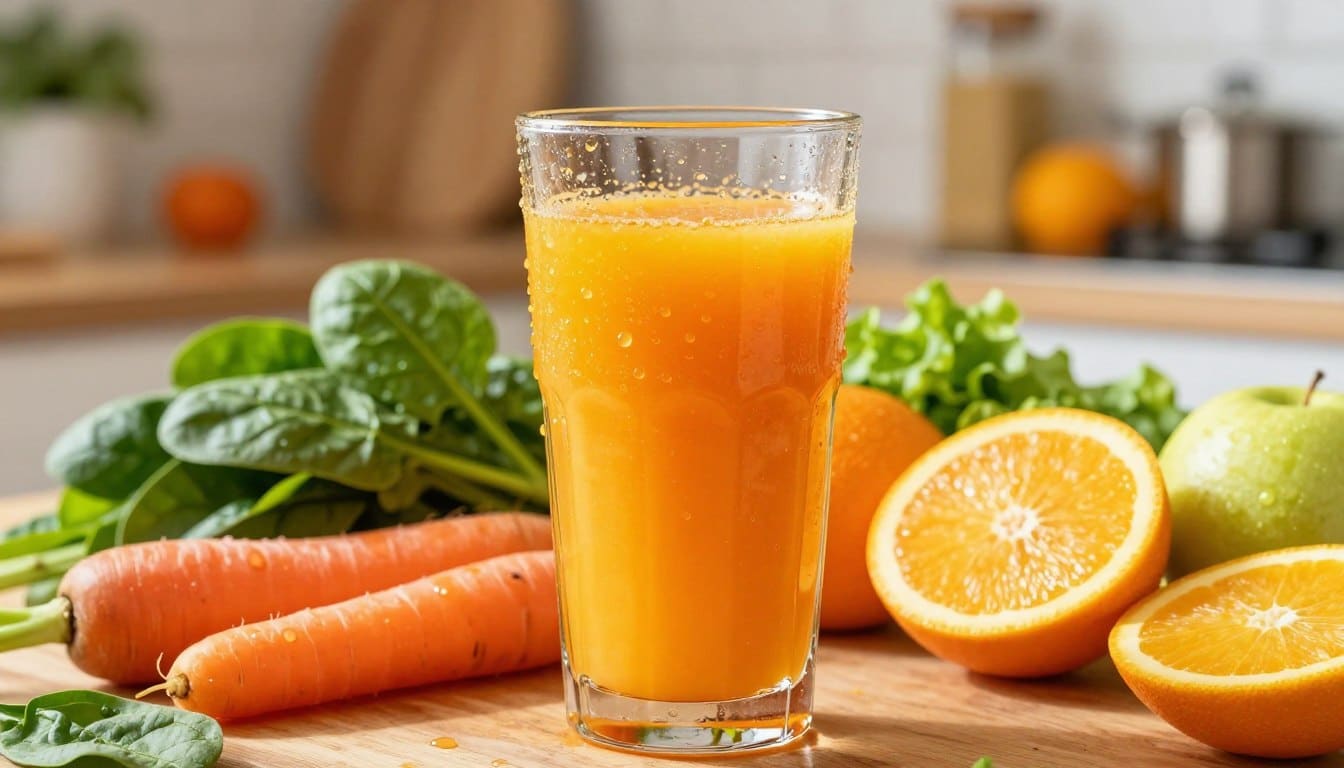
- 4 carrots
- 1 orange (peeled)
- 1 lemon (peeled)
- 2-inch piece of fresh turmeric root
- 1-inch piece of ginger
- Pinch of black pepper (stirred in after juicing)
- Why it works: The black pepper increases the absorption of curcumin by up to 2000%. The carrots provide beta-carotene, which converts to Vitamin A, essential for immune function.
4. The Vitamin C Blast
Forget supplement powders; this fresh juice delivers bioavailable Vitamin C instantly.
- Ingredients:
- 2 grapefruits (peeled)
- 2 oranges (peeled)
- 1/2 cup strawberries
- 1 red bell pepper
- Surprise Ingredient: Red bell pepper contains more Vitamin C than an orange and adds a subtle savory note that cuts the acidity of the citrus.
Detox and Weight Loss Combinations
Many people turn to juicing recipes for weight management. These blends are designed to support the liver and kidneys in their natural detoxification processes while boosting metabolism.

Detailed macro shot of fresh juice being extracted, capturing the texture and droplets of liquid gol…
5. The Beetroot Detox
Beets are incredible for liver health and blood flow. They have an earthy flavor that pairs well with bright citrus.
- Ingredients:
- 2 medium beets
- 3 carrots
- 1 lemon
- 1 apple
- Performance Note: Beets contain nitrates that improve oxygen usage, making this a great pre-workout drink.
6. The Celery Reset
While simple, pure celery juice has taken the wellness world by storm. It is believed to improve digestion and reduce bloating.
- Ingredients:
- 1 large bunch of celery (leaves included if you like bitterness, removed if not)
- 1/2 lemon (optional)
- Instructions: Juice the celery stalks whole. Drink this on an empty stomach first thing in the morning for the best results.
Refreshing Fruit-Forward Mixes
While we advocate for a vegetable-heavy approach, sometimes you need a sweet treat. These juicing recipes are perfect for children or as a mid-afternoon pick-me-up.
7. The Pineapple Mint Cooler
Pineapple contains bromelain, an enzyme that aids digestion and reduces inflammation.
- Ingredients:
- 1/4 pineapple (skin removed)
- 1 cucumber
- 1 handful of fresh mint leaves
- Flavor Profile: This tastes like a mocktail. The cooling mint balances the acidity of the pineapple perfectly.
8. The Watermelon Refresher
Watermelon juice is rich in lycopene and is incredibly hydrating.
- Ingredients:
- 2 cups watermelon cubes
- 1 lime
- 1/2 cup basil leaves
- Tip: You can juice the watermelon rind (the white part) as well! It contains citrulline, which helps relax blood vessels.
Troubleshooting Your Juicing Routine
Even with the best juicing recipes, you might encounter some hurdles. Here is how to handle common issues.
“My Juice Tastes Too Earthy”
If your green juice tastes like grass, you likely used too much kale or chard without enough acid to balance it. Try adding a lemon or lime. The acidity cuts through the bitterness. Alternatively, add half a green apple or a few stalks of carrots to add sweetness without spiking the sugar too much.
“The Juice Separated”
Separation is natural, especially with centrifugal juicers. It does not mean the juice is bad. Simply give it a stir or a shake before drinking. To minimize separation, drink the juice immediately after making it.
“It’s Too Expensive”
Juicing can be pricey. To save money, buy produce in season. Cucumbers, carrots, and celery are generally affordable year-round bases. Save the expensive ingredients like berries or exotic fruits for occasional treats. You can also join a CSA (Community Supported Agriculture) to get bulk local produce at a discount.
Advanced Tips for the Dedicated Juicer
Once you have mastered the basic juicing recipes, you can start experimenting with superfoods and advanced techniques.
Herb and Spice Additions
Do not limit yourself to fruits and vegetables. Fresh herbs like cilantro and parsley are potent detoxifiers (specifically for heavy metals). Spices like cayenne pepper can kickstart your metabolism, while a dash of cinnamon helps regulate blood sugar.
Pulp Repurposing
One downside of juicing is the leftover fiber pulp. Don’t throw it away! You can mix vegetable pulp into veggie burger patties, soups, or broths. Fruit pulp can be added to muffins or oatmeal. This ensures you are still utilizing the fiber from your expensive produce.
The Role of Juicing in a Balanced Diet
It is important to remember that while juicing recipes are powerful tools for health, they should supplement a balanced diet, not replace it entirely (unless you are doing a short-term cleanse under supervision). Your body still needs fiber, protein, and healthy fats.
Try incorporating a fresh juice alongside your breakfast or as a snack. If you are using juice as a meal replacement, consider blending in an avocado or adding a scoop of protein powder to the finished juice to make it more satiating.
By consistently using these juicing recipes, you will likely notice clearer skin, improved digestion, and higher energy levels within a few weeks. The key is consistency and variety. Don’t stick to the same recipe every day; rotate your ingredients to ensure you are getting a broad spectrum of phytonutrients.

A flat-lay photography style showing ingredients for a ‘Mean Green’ juice: celery stalks, cucumber, …
Comparison Analysis
| Feature | Centrifugal Juicer | Masticating (Cold Press) Juicer |
|---|---|---|
| :— | :— | :— |
| Speed | Very Fast | Slow |
| Nutrient Retention | Good (some oxidation) | Excellent (minimal oxidation) |
| Leafy Green Yield | Low | High |
| Noise Level | Loud | Quiet |
| Price | Affordable ($50-$150) | Higher Investment ($200-$600+) |
| Juice Shelf Life | Drink immediately | Up to 48-72 hours |
Pros
- Rapid Nutrient Absorption: Nutrients hit the bloodstream quickly without digestive strain.
- Increased Vegetable Intake: Easier to consume the equivalent of several salads in one glass.
- Hydration: High water content helps maintain fluid balance.
- Enzyme Boost: Fresh, raw juice is packed with living enzymes that aid digestion.
- Customizable: You control the ingredients, avoiding preservatives and added sugars.
Cons
- –Fiber Loss: Juicing removes insoluble fiber, which is necessary for gut health.
- –Sugar Spikes: Fruit-heavy juices can cause rapid insulin spikes.
- –Cost: Fresh produce is expensive, and it takes a lot to make a single glass.
- –Cleanup: Juicers can be difficult and time-consuming to clean.
- –Food Waste: Generates a significant amount of pulp that often gets thrown away.
Key Takeaways
- Follow the 80/20 rule: Use 80% vegetables and 20% fruit to keep sugar levels low.
- Cold-pressed juicers retain more nutrients and enzymes compared to centrifugal models.
- Specific ingredients target specific goals, such as ginger for immunity and beets for stamina.
- Drink your fresh juice immediately or store it in an airtight glass container for up to 24 hours.
- Rotate your greens (kale, spinach, chard) to prevent oxalate buildup and ensure a variety of nutrients.
Frequently Asked Questions
How long can I store fresh juice using these juicing recipes?
Answer: It depends on your juicer. If using a centrifugal juicer, drink it immediately or within 24 hours. If using a masticating juicer, you can store it in an airtight glass container (filled to the brim to minimize oxygen) for up to 72 hours, though sooner is always better for nutrient retention.
Can I lose weight with these juicing recipes?
Answer: Yes, juicing can support weight loss by reducing calorie intake and providing essential nutrients that prevent cravings. However, focus on vegetable-heavy recipes to avoid excessive sugar consumption.
Do I need to peel organic produce before juicing?
Answer: Generally, no. The skin often contains high concentrations of nutrients. However, you should peel citrus fruits (except lemons and limes if you like tartness) to avoid bitterness, and always remove tough skins like pineapple, melon, and mango.
What is the best time of day to drink fresh juice?
Answer: The optimal time is in the morning on an empty stomach. This allows for maximum absorption of vitamins and minerals. However, a green juice in the afternoon is a great alternative to coffee.
Can I replace a meal with a juicing recipe?
Answer: Occasional replacement is fine, but juice lacks protein and healthy fats. If you want to replace a meal, consider blending the juice with avocado or pairing it with a handful of nuts.
Is juicing safe for diabetics?
Answer: Diabetics should be cautious with fruit juices due to the sugar content. Focus on low-glycemic vegetable juices (like celery, cucumber, spinach) and consult a doctor before starting a juicing regimen.
Why do I need to rotate my greens in juicing recipes?
Answer: Some greens, like kale and spinach, contain goitrogens and oxalates which can impact thyroid function or cause kidney stones if consumed in massive quantities daily. Rotating with chard, romaine, or celery prevents this.
What should I do with the leftover pulp? Answer: Do not waste it! You can add vegetable pulp to soups, stews, or veggie burgers. Fruit pulp works well in muffins, pancakes, or smoothies to add fiber back into your diet.
Conclusion
Embarking on a juicing journey is one of the most rewarding investments you can make for your health. By incorporating these **juicing recipes** into your daily routine, you are providing your body with the raw materials it needs to repair, energize, and thrive. Remember that the best juice is the one you enjoy enough to drink consistently. Start with the simpler blends, experiment with flavors, and listen to your body. Whether you are seeking a detox, an immunity boost, or just a delicious way to eat your veggies, there is a recipe here for you. Grab your produce, fire up your machine, and start blending your way to better health today.