What is Indian Pudding? A Deep Dive into this Classic American Dessert
Indian pudding, often simply called “Indian,” is a quintessential New England dessert with roots stretching back to colonial America. It is a slow-baked pudding primarily made from cornmeal, milk, molasses, and spices. The unique aspect of an authentic Indian Pudding Recipe lies in its long, gentle baking process, which transforms simple ingredients into a rich, dense, and deeply flavorful treat. Unlike many modern puddings that are stovetop cooked or quickly set, this Indian Pudding Recipe relies on patience and low heat to achieve its characteristic texture and caramelized notes. It’s truly a testament to resourceful cooking, utilizing readily available ingredients from early American households.

A close-up still life arrangement of the key ingredients for an Indian pudding recipe: a bowl of vib…
History and Origins of the Indian Pudding Recipe
The history of the Indian pudding recipe is intertwined with the story of early American settlers and their adaptation to the local cuisine. When European colonists arrived, they brought their traditional puddings and porridges, often made with wheat or oats. However, wheat was scarce in the New World, while corn (maize), which they referred to as “Indian corn,” was abundant. The colonists quickly learned from Native Americans how to cultivate and process cornmeal, and it became a staple in their diet. They began substituting cornmeal for wheat flour in many recipes, including their puddings. This adaptation gave birth to the Indian pudding recipe we know today. The addition of molasses, another readily available product from the burgeoning rum trade, provided sweetness and a distinct dark flavor that became a hallmark of this molasses dessert. The Indian pudding recipe thus evolved as a fusion of European culinary traditions and indigenous American ingredients, solidifying its place as a beloved part of New England’s culinary heritage.
Key Ingredients that Define an Authentic Indian Pudding Recipe
Crafting an authentic Indian pudding recipe starts with understanding its core components. Each ingredient plays a vital role in creating the pudding’s signature taste and texture. Getting these right is key to a truly successful Indian pudding recipe.
Cornmeal: The Heart of the Indian Pudding Recipe
Cornmeal is undeniably the star of the Indian pudding recipe. For the best results, many traditionalists advocate for stone-ground cornmeal, which tends to be coarser and provides a more rustic texture. This coarse grind helps prevent the pudding from becoming too dense or pasty. While fine-ground cornmeal can be used, it may result in a smoother, less textured Indian pudding recipe. The cornmeal provides the body and structure, absorbing the liquids and slowly cooking to a tender, granular consistency. Without good quality cornmeal, your Indian pudding recipe won’t achieve its classic character. It’s the ingredient that truly makes this a cornmeal pudding.
Molasses: Sweetness and Depth for Your Indian Pudding Recipe
Molasses is the primary sweetener and flavor enhancer in an Indian pudding recipe. Dark, robust molasses (like robust or blackstrap) is preferred for its deep, slightly bitter, and complex sweetness that caramelizes beautifully during the long bake. It not only sweetens the pudding but also imparts its characteristic dark color and adds a unique depth of flavor that brown sugar or maple syrup alone cannot replicate. While some modern variations of the Indian pudding recipe might use a mix of sweeteners, authentic versions lean heavily on molasses for that unmistakable taste. This is what truly sets it apart as a rich, flavorful Indian pudding recipe.
Milk and Cream: For Richness in the Indian Pudding Recipe
Milk is the liquid base of the Indian pudding recipe, providing moisture and helping to cook the cornmeal. Whole milk is typically recommended for its richness, contributing to a creamy, satisfying texture. Some recipes also call for a combination of milk and heavy cream, or even evaporated milk, to further enhance the pudding’s luxurious mouthfeel. The milk slowly infuses into the cornmeal during the extended baking time, creating a tender, custard-like consistency. The dairy components are essential for the smooth, comforting nature of a well-executed Indian pudding recipe.
Spices: Cinnamon, Nutmeg, Ginger for the Indian Pudding Recipe
Warm spices are indispensable to the flavor profile of an Indian pudding recipe. Cinnamon, nutmeg, and ginger are the most common additions, often complemented by a pinch of ground cloves or allspice. These spices add a fragrant warmth and complexity that beautifully balances the sweetness of the molasses and the earthiness of the cornmeal. They contribute to the overall comforting aroma and taste, making the Indian pudding recipe a perfect dessert for cooler weather or holiday gatherings. The careful balance of these spices is what gives this a truly spiced pudding character.

An abstract, artistic composition featuring swirling amber molasses, golden cornmeal grains suspende…
Traditional vs. Modern Indian Pudding Recipe Variations
While the classic Indian pudding recipe remains a cherished standard, contemporary cooks have introduced variations to suit different tastes, dietary needs, and cooking methods. Understanding these can help you tailor your Indian pudding recipe to your preferences.
Slow Cooker Indian Pudding Recipe
Adapting the Indian pudding recipe for a slow cooker is a popular modern approach, especially for those who appreciate the convenience and consistent low heat. A slow cooker can replicate the long, gentle baking process of a traditional oven, often resulting in an incredibly tender and moist Indian pudding recipe. This method is ideal for hands-off cooking, allowing the flavors to meld and the cornmeal to soften over several hours without constant supervision. A slow cooker Indian pudding recipe is perfect for busy days or when oven space is at a premium.
Baked Indian Pudding Recipe
The traditional method for an Indian pudding recipe involves baking it in a low oven for several hours. This slow-baking process is crucial for developing the deep, caramelized flavors and the unique, slightly granular yet creamy texture. The pudding often develops a dark, almost crusty top while remaining soft and moist underneath. A classic baked pudding version of the Indian pudding recipe requires patience, but the results are truly rewarding, offering a depth of flavor that is hard to achieve with quicker methods. This is the quintessential way to prepare an Indian pudding recipe.
Gluten-Free Indian Pudding Recipe Adaptations
Naturally, the traditional Indian pudding recipe is often gluten-free, as cornmeal itself is gluten-free. However, it’s important to ensure that the cornmeal used is certified gluten-free to avoid cross-contamination, especially for individuals with severe gluten sensitivities or celiac disease. For those looking for a gluten-free Indian pudding recipe, checking ingredient labels carefully is the main step. The inherent nature of the Indian pudding recipe makes it an accessible and delicious option for many on a gluten-free diet.
Vegan Indian Pudding Recipe Considerations
Creating a vegan Indian pudding recipe involves substituting dairy milk and cream with plant-based alternatives. Almond milk, soy milk, or oat milk can work wonderfully as the liquid base. Full-fat coconut milk can add an extra layer of richness and creaminess, though it might impart a subtle coconut flavor. Ensure your molasses is vegan-friendly (most are, but it’s always good to check). With these simple substitutions, a delicious and authentic-tasting vegan Indian pudding recipe is entirely achievable, allowing everyone to enjoy this classic treat.

A meticulously arranged deconstructed Indian pudding serving: a perfectly portioned scoop of the pud…
Mastering the Classic Indian Pudding Recipe: Step-by-Step Guide
Now that we’ve explored the essence of this historical dessert, let’s dive into the practical steps of making your very own classic Indian pudding recipe. This detailed guide will help you achieve perfect results.
Gathering Your Ingredients for the Perfect Indian Pudding Recipe
Before you begin, ensure you have all your ingredients measured and ready. This mise en place approach makes the cooking process much smoother for any Indian pudding recipe.
- 4 cups whole milk (or a mix of milk and cream)
- 1/2 cup yellow cornmeal (preferably stone-ground)
- 1/2 cup dark molasses
- 1/4 cup granulated sugar (optional, for extra sweetness)
- 1/2 teaspoon ground cinnamon
- 1/2 teaspoon ground ginger
- 1/4 teaspoon ground nutmeg
- 1/2 teaspoon salt
- 2 tablespoons unsalted butter, melted
- Vanilla ice cream or whipped cream for serving (optional)
Having these items ready is the first step towards a delightful Indian pudding recipe.
Preparation: The Foundation of a Great Indian Pudding Recipe
The initial preparation steps are crucial for ensuring a smooth and lump-free Indian pudding recipe.
Mixing Dry and Wet Ingredients for the Indian Pudding Recipe
In a medium bowl, whisk together the cornmeal, sugar (if using), cinnamon, ginger, nutmeg, and salt. This ensures the spices are evenly distributed throughout the Indian pudding recipe. In a separate saucepan, scald 3 cups of the milk over medium heat. To scald milk means to heat it just until tiny bubbles form around the edges, but do not let it boil. This step is important for the texture of your Indian pudding recipe.
Scalding Milk and Combining for Your Indian Pudding Recipe
Once the milk is scalded, slowly pour it into the dry cornmeal mixture, whisking constantly to prevent lumps. The gradual addition and continuous whisking are key to achieving a smooth base for your Indian pudding recipe. Stir in the molasses and melted butter until well combined. This mixture forms the heart of your Indian pudding recipe. Pour the mixture into a buttered 1.5 to 2-quart baking dish. This initial cooking helps to thicken the mixture before the long bake, ensuring a consistent Indian pudding recipe.
Baking Your Indian Pudding Recipe to Perfection
The baking process is where the magic truly happens for an Indian pudding recipe. Patience is key here.
Oven Temperature and Time for the Indian Pudding Recipe
Preheat your oven to a low temperature, typically around 300°F (150°C). Pour the remaining 1 cup of cold milk over the top of the cornmeal mixture in the baking dish. Do not stir it in; this cold milk will sink during baking, creating a unique, tender texture and preventing a skin from forming too quickly on your Indian pudding recipe. Bake for 2 to 3 hours, or even up to 4 hours, depending on your oven and desired consistency. The long, slow bake allows the cornmeal to fully cook and the flavors to deepen and caramelize, which is essential for a true Indian pudding recipe. This patient approach yields a superior Indian pudding recipe.
Achieving the Right Consistency in Your Indian Pudding Recipe
The Indian pudding recipe is done when it is set but still slightly wobbly in the center. A knife inserted near the edge should come out relatively clean. The top should be dark golden brown, almost caramelized. If the top starts to get too dark too quickly, you can loosely tent it with aluminum foil. Remember, the longer and slower it bakes, the richer and more complex the flavor of your Indian pudding recipe will be. This slow transformation is what makes this a true slow-baked dessert and a truly satisfying Indian pudding recipe.
Serving Suggestions for Your Delicious Indian Pudding Recipe
While delicious on its own, an Indian pudding recipe is often elevated with the right accompaniments.
With Vanilla Ice Cream and an Indian Pudding Recipe
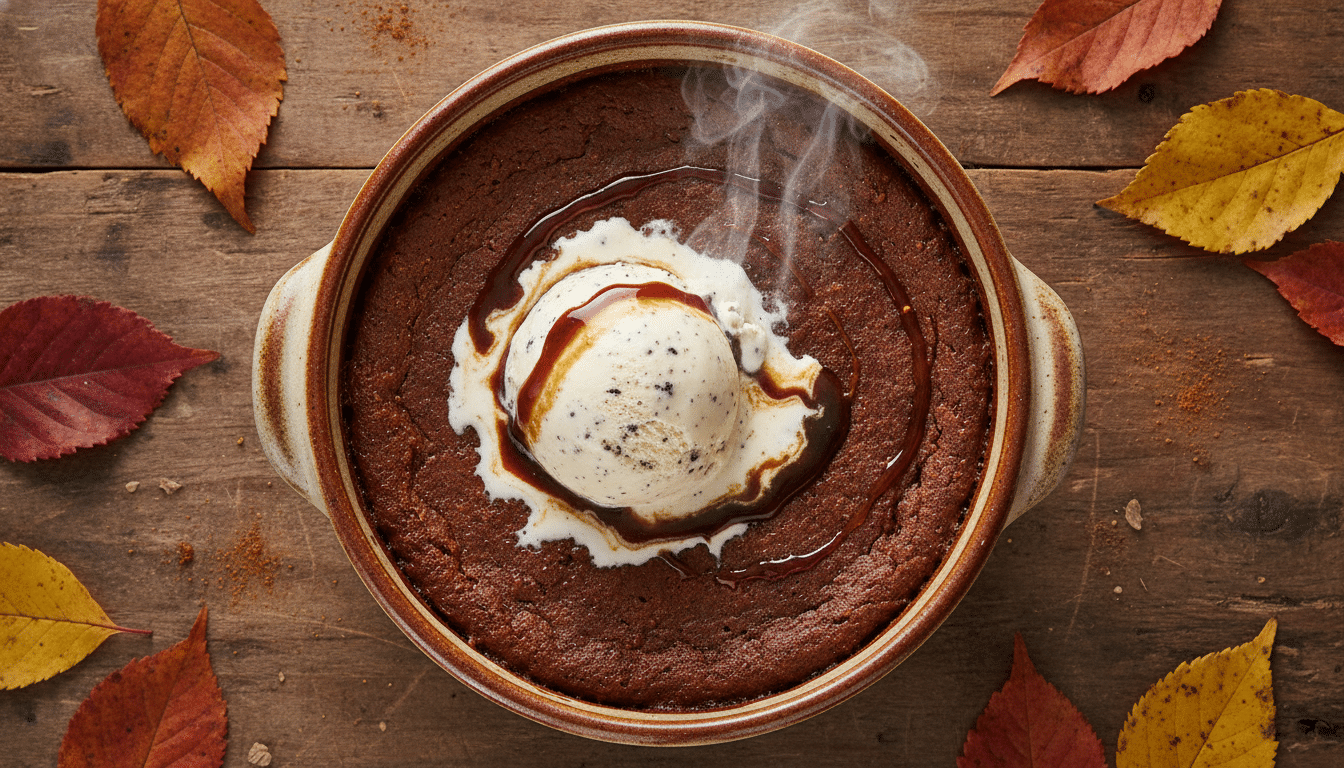
The most classic pairing for a warm Indian pudding recipe is a scoop of cold vanilla ice cream. The contrast between the warm, spiced pudding and the cool, creamy ice cream is simply heavenly. The melting ice cream creates a luscious sauce that complements the rich flavors of the Indian pudding beautifully. This is a must-try for any fan of the Indian pudding .
Whipped Cream Topping for Indian Pudding Recipe
Another excellent choice is a dollop of freshly whipped cream. The light, airy cream provides a delicate balance to the dense Indian pudding, adding a touch of elegance and a subtle richness without overpowering the main flavors. A sprinkle of cinnamon on top of the whipped cream can further enhance the experience of your Indian pudding.
Maple Syrup Drizzle over an Indian Pudding Recipe
For an extra touch of New England charm, a drizzle of pure maple syrup over your warm Indian pudding is a fantastic idea. The maple syrup adds another layer of distinct sweetness and a woodsy note that harmonizes perfectly with the molasses and spices. It’s a truly regional way to enjoy your Indian pudding, especially in autumn.
Tips and Tricks for an Unforgettable Indian Pudding
Even with a solid recipe, a few expert tips can make all the difference in perfecting your Indian pudding recipe.
Preventing a Grainy Indian Pudding
One common issue with an Indian pudding recipe can be a grainy texture. This is often due to undercooking the cornmeal. The key is the long, slow baking process. Ensure your oven temperature is low and give it ample time. The cornmeal needs sufficient time to absorb the liquid and soften completely. Also, using medium or stone-ground cornmeal can help, as finely ground cornmeal can sometimes lead to a denser, slightly more pasty result if not cooked long enough. Stirring the initial mixture well to prevent lumps before baking is also vital for a smooth Indian pudding recipe.
Enhancing Flavor in Your Indian Pudding Recipe
To deepen the flavor of your Indian pudding recipe, consider adding a tiny pinch of black pepper or a very small amount of finely grated orange zest. These subtle additions can brighten the existing flavors without making the pudding taste peppery or citrusy. Using a high-quality dark molasses is also paramount, as its complex flavor profile is central to the Indian pudding recipe. Some cooks also like to add a splash of rum or bourbon to the mixture for an adult twist, enhancing the warmth and complexity of the Indian pudding recipe.
Storage and Reheating Your Indian Pudding Recipe Leftovers
Leftover Indian pudding recipe can be stored in an airtight container in the refrigerator for up to 3-4 days. It actually tastes wonderful cold, but if you prefer it warm, you can gently reheat individual portions in the microwave or in a low oven. Add a splash of milk or cream before reheating to restore some of its moisture if it seems a bit dry. This makes the Indian pudding recipe a great make-ahead dessert, perfect for enjoying over several days.
The Nutritional Aspect of an Indian Pudding Recipe
While primarily a dessert, understanding the nutritional components of an Indian pudding can be helpful, especially for those monitoring their intake.
Understanding the Calorie and Sugar Content in an Indian Pudding Recipe
An Indian pudding , with its primary ingredients of cornmeal, milk, and molasses, can be relatively calorie-dense due to the sugars and fats. Molasses is a significant source of sugar, and whole milk adds fat and calories. While it offers some fiber from the cornmeal and minerals from molasses, it’s best enjoyed as a treat rather than an everyday staple. Portion control is always a good idea when indulging in a rich Indian pudding recipe. This comfort food recipe is designed for enjoyment.
Making Your Indian Pudding Recipe Healthier (Optional Substitutions)
For those looking to reduce calories or sugar in their Indian pudding recipe, there are a few substitutions you can consider. Using lower-fat milk (such as 1% or skim milk) can reduce the fat content, though it might slightly alter the richness. You could also reduce the amount of added sugar or molasses, though this will change the characteristic flavor. Some might experiment with natural sugar substitutes, but be mindful that molasses contributes more than just sweetness to an Indian pudding . These modifications can help create a lighter Indian pudding , but purists might argue against them.
Beyond the Basics: Creative Twists on the Indian Pudding Recipe
Once you’ve mastered the classic Indian pudding recipe, you might feel inspired to experiment with some creative additions to make it your own.
Adding Fruits or Nuts to Your Indian Pudding Recipe
While traditional Indian pudding is plain, adding fruits or nuts can introduce new textures and flavors. Chopped dried cranberries, raisins, or finely diced apples can be folded into the mixture before baking, adding a chewy sweetness. Toasted pecans or walnuts can provide a delightful crunch. These additions can transform the Indian pudding into an even more complex and satisfying dessert. This can be a fun way to personalize your Indian pudding .
Spice Variations for a Unique Indian Pudding Recipe
Don’t be afraid to adjust the spice blend in your Indian pudding . While cinnamon, ginger, and nutmeg are standard, you could try adding a pinch of cardamon for an exotic twist, or a bit more clove for a bolder flavor. A touch of black pepper, as mentioned, can also subtly enhance the overall warmth. Experimenting with different spice combinations can lead to a truly unique Indian pudding that caters to your specific palate. For a true New England dessert, stick to the classics.
Serving Indian Pudding Recipe for Special Occasions
Elevate your Indian pudding recipe for special occasions by presenting it in individual ramekins. This makes for an elegant single-serving dessert. You can also garnish it with candied ginger, a delicate mint sprig, or a dusting of powdered sugar for a more festive look. Serving a warm Indian pudding during holiday gatherings or family dinners is sure to be a conversation starter and a memorable end to any meal. This traditional American dessert is perfect for any celebration.
Conclusion: Savoring the Heritage of the Indian Pudding Recipe
The Indian pudding stands as a testament to culinary ingenuity and the enduring appeal of comfort food. From its humble origins in colonial America, born out of necessity and adaptation, it has evolved into a cherished dessert, particularly in New England households. This guide has taken you through the rich history, essential ingredients, and detailed steps to prepare an authentic Indian pudding, ensuring you can recreate this classic taste in your own kitchen. We’ve explored everything from the critical role of cornmeal and molasses to the nuances of baking and serving this unique dish. Whether you choose to stick to the time-honored methods or experiment with modern twists, the heart of the Indian pudding remains its deep, spiced, and utterly comforting flavor. So, gather your ingredients, set aside some time for a leisurely bake, and prepare to indulge in a truly heartwarming experience. Don’t just read about it – make this iconic Indian pudding today and bring a piece of American culinary history to your table. Your taste buds will thank you for discovering the timeless charm of this remarkable dessert.

A cozy, inviting kitchen scene depicting a freshly baked Indian pudding cooling on a wire rack on a …
Comparison Analysis
| Feature | Traditional Indian Pudding Recipe | Modern Indian Pudding Recipe |
|---|---|---|
| Cornmeal Type | Coarse ground, stone-ground | Fine or medium ground |
| Sweetener | Molasses (dark, robust) | Molasses, brown sugar, maple syrup |
| Baking Method | Slow, long oven bake (2-4 hours) | Shorter bake, slow cooker, or stovetop finish |
| Texture | Hearty, dense, slightly chewy | Creamier, smoother, sometimes lighter |
+Pros
- Rich, comforting, and uniquely spiced flavor profile.
- Utilizes readily available and inexpensive ingredients.
- Excellent make-ahead dessert, often tasting better the next day.
- Deep historical and cultural significance, especially in New England cuisine.
- Pairs wonderfully with simple toppings like vanilla ice cream or whipped cream.
–Cons
- –Requires a long baking time, demanding patience.
- –Texture can be polarizing for those unfamiliar with cornmeal puddings.
- –High in sugar and calories, requiring mindful portion control.
Key Takeaways
- Indian Pudding is a historic New England dessert made primarily from cornmeal, molasses, and milk, slow-baked to a unique custard-like consistency.
- Authenticity hinges on using stone-ground cornmeal and dark molasses, which contribute significantly to its signature flavor and texture.
- The slow baking process is crucial for preventing graininess and allowing the flavors to meld, often requiring several hours in the oven.
- Versatile in its serving, Indian pudding is traditionally enjoyed warm with a scoop of vanilla ice cream, whipped cream, or a drizzle of maple syrup.
- While traditional, the Indian pudding can be adapted for dietary needs, with options for gluten-free and vegan variations.
Frequently Asked Questions
What exactly is Indian pudding?
Indian pudding is a traditional American dessert, particularly popular in New England, made from cornmeal, molasses, milk, and spices like cinnamon and ginger. It’s slow-baked to a unique, dense, and creamy consistency.
Where does Indian pudding get its name?
The name ‘Indian’ in Indian pudding refers to ‘Indian corn,’ which is what early American colonists called corn (maize). The pudding originated when colonists substituted readily available cornmeal for scarce wheat flour in their traditional European puddings.
Can I make Indian pudding ahead of time?
Absolutely! Indian pudding is an excellent make-ahead dessert. Its flavors actually deepen and meld beautifully overnight. Store it in an airtight container in the refrigerator for up to 3-4 days.
What kind of cornmeal should I use for an Indian pudding ?
For an authentic Indian pudding, stone-ground or medium-ground yellow cornmeal is recommended. It provides a more rustic texture and prevents the pudding from becoming too dense or pasty. Fine-ground cornmeal can also work, but may yield a smoother result.
Why is my Indian pudding grainy?
A grainy Indian pudding is usually a sign of undercooked cornmeal. The key is a long, slow baking process, often 2-4 hours at a low temperature (around 300°F/150°C), allowing the cornmeal to fully absorb the liquid and soften.
Can I make Indian pudding without molasses?
While molasses is central to the authentic flavor of an Indian pudding, you can substitute a portion of it with brown sugar, maple syrup, or a mix of sweeteners if desired. However, the unique depth and color of molasses will be altered.
Is Indian pudding served hot or cold?
Indian pudding is traditionally served warm, often straight from the oven or gently reheated. The warmth enhances its comforting qualities and allows toppings like vanilla ice cream to melt into a delightful sauce.
How long does Indian pudding last in the refrigerator?
Properly stored in an airtight container in the refrigerator, Indian pudding can last for 3 to 4 days. It can also be frozen for up to 2-3 months, though the texture might change slightly upon thawing.
What are common toppings for Indian pudding?
Common toppings for an Indian pudding include a scoop of vanilla ice cream, a dollop of whipped cream, or a drizzle of pure maple syrup. Some also enjoy it with a sprinkle of cinnamon or candied ginger.
Can I make a vegan Indian pudding recipe?
Yes, you can make a vegan Indian pudding by substituting dairy milk with plant-based alternatives like almond, soy, or oat milk. Ensure your molasses is vegan-friendly, and if using butter, replace it with a vegan butter alternative.
Conclusion
The Indian pudding is more than just a dessert; it’s a culinary journey back in time, offering a taste of resourcefulness and tradition from early American kitchens. Its unique blend of cornmeal, dark molasses, and warming spices creates a profile that is both deeply comforting and utterly distinctive. We’ve delved into its fascinating history, explored the critical role each ingredient plays, and provided a comprehensive step-by-step guide to help you master this beloved New England classic. From preventing graininess to discovering creative twists, you now have all the knowledge to craft a truly unforgettable Indian pudding. This dessert, with its patient preparation and rewarding flavors, is perfect for chilly evenings, festive gatherings, or simply as a comforting treat. Don’t let its humble origins fool you; the Indian pudding is a sophisticated and satisfying dish that deserves a place on your table. We encourage you to embrace the warmth and heritage of this amazing dessert. Try making an Indian pudding this week and share the joy of this timeless American sweet with your loved ones!