The Rich History Behind Hoe Cakes Recipes
To truly appreciate hoe cakes, one must understand their fascinating origins. The name itself, “hoe cake,” is believed to have come from the practice of cooking these simple cornmeal flatbreads on the blade of a hoe over an open fire, a method employed by enslaved people and poor farmers in the American South. This resourceful cooking technique highlights the ingenuity and resilience of those who created these foundational hoe cakes recipes. While the name might sound rustic, the taste is anything but.

An overhead shot of a diverse spread featuring hoe cakes: some savory with crumbled bacon and chives…
Historically, corn was a staple crop in the South, and cornmeal became a vital ingredient in many dishes. Hoe cakes provided a quick, nourishing, and inexpensive meal, often served alongside vegetables, meat, or molasses. These early hoe cakes recipes were incredibly basic, typically just cornmeal mixed with water and salt, then cooked until golden brown. Over time, as ingredients became more accessible, milk or buttermilk, eggs, and leavening agents like baking powder were introduced, refining the texture and flavor of the classic hoe cakes. This evolution has given us the diverse range of hoe cakes recipes we enjoy today.
Understanding the Core Ingredients for Authentic Hoe Cakes
At its heart, any great hoe cakes recipe relies on a few fundamental ingredients. Understanding each component is key to mastering these Southern delights.
Cornmeal: The Soul of Hoe Cakes
The type of cornmeal you choose significantly impacts the final texture of your hoe cakes. For traditional hoe cakes recipes, medium-ground cornmeal is often preferred. It provides a hearty texture without being overly gritty. Fine-ground cornmeal will yield a smoother, more delicate cake, while coarse-ground cornmeal can result in a chewier, more rustic hoe cake. White or yellow cornmeal works equally well; the choice is often regional or personal preference.
Liquid: Water, Milk, or Buttermilk?
Historically, water was the primary liquid in early hoe cakes recipes. It still produces a simple, robust hoe cake. However, many modern hoe cakes recipes call for milk or buttermilk. Milk adds richness and a tender crumb, while buttermilk introduces a slight tang and reacts with baking soda to create a wonderfully light and fluffy hoe cake. Experiment with different liquids to find your preferred version of these comforting hoe cakes.
Leavening Agents: Baking Powder vs. Baking Soda
While some traditional hoe cakes recipes are unleavened, most contemporary versions use baking powder or a combination of baking soda and buttermilk. Baking powder provides lift, resulting in lighter, fluffier hoe cakes. If using buttermilk, baking soda is essential as it reacts with the acid in the buttermilk to create carbon dioxide, contributing to a tender texture. The right leavening ensures your hoe cakes are not dense or heavy.
Salt and Sugar: Balancing the Flavors
Salt is crucial for enhancing the corn flavor in all hoe cakes recipes. A pinch of sugar is optional but can add a subtle sweetness, making the hoe cakes more appealing, especially when served for breakfast or with sweet toppings. For savory applications, you might omit the sugar entirely.

An artistic depiction of the historical origins of hoe cakes: an old, weathered hoe blade resting ov…
Classic Hoe Cakes Recipes: The Foundation
Let’s dive into some foundational hoe cakes recipes that serve as excellent starting points for your culinary adventure.
Basic Southern Hoe Cakes Recipe
This recipe is a timeless classic, perfect for those new to making hoe cakes. It’s simple, straightforward, and yields delicious results.
Ingredients:
- 1 ½ cups yellow or white cornmeal
- 1 teaspoon salt
- 1 teaspoon baking powder (optional, for fluffier cakes)
- 1 ½ cups hot water or milk
- 2 tablespoons butter or bacon grease, melted (for cooking)
Instructions:
1. In a large bowl, whisk together the cornmeal, salt, and baking powder (if using). This dry mix is the base for many hoe cakes recipes.

A vibrant, modern culinary shot of mini hoe cakes used as appetizers. One is topped with smoked salm…
2. Gradually add the hot water or milk, stirring constantly until a smooth batter forms. The consistency should be like a thick pancake batter. If it’s too thick, add a little more liquid; if too thin, a spoonful of cornmeal.
3. Heat a cast-iron skillet or griddle over medium heat. Add a tablespoon of melted butter or bacon grease.
4. Pour or spoon about ¼ cup of batter for each hoe cake onto the hot surface. Cook for 3-4 minutes per side, or until golden brown and cooked through. Repeat with the remaining batter, adding more grease as needed. These are truly satisfying hoe cakes.
Buttermilk Hoe Cakes for Extra Tenderness
For a tangier, more tender hoe cake, buttermilk is the secret ingredient. These buttermilk hoe cakes recipes are incredibly popular.
Ingredients:
- 1 ½ cups yellow or white cornmeal
- 1 teaspoon salt
- 1 teaspoon baking soda
- 1 large egg (optional, for binding)
- 1 ¾ cups buttermilk
- 2 tablespoons butter or bacon grease, melted (for cooking)
Instructions:
1. Combine cornmeal, salt, and baking soda in a bowl. This dry blend is crucial for these particular hoe cakes recipes.
2. In a separate bowl, whisk the egg (if using) and buttermilk.
3. Pour the wet ingredients into the dry ingredients, mixing until just combined. Be careful not to overmix; a few lumps are fine. Let the batter rest for 5-10 minutes to allow the cornmeal to hydrate.
4. Cook on a greased, hot griddle as described in the basic recipe. You’ll love the fluffy texture of these hoe cakes recipes.
Creative Variations of Hoe Cakes Recipes
While the classics are wonderful, hoe cakes are incredibly versatile. Don’s be afraid to experiment with these variations of hoe cakes recipes.
Savory Hoe Cakes with Add-ins
Elevate your hoe cakes into a savory side dish or light meal by incorporating extra ingredients into the batter. This is where many hoe cakes recipes truly shine.
- Cheese and Jalapeño Hoe Cakes: Add ½ cup shredded cheddar or Monterey Jack cheese and 2 tablespoons finely diced pickled jalapeños to the batter. Serve with chili or grilled meats.
- Scallion and Bacon Hoe Cakes: Fold in ¼ cup chopped scallions and ¼ cup crumbled cooked bacon. These are fantastic with fried chicken or a stew.
- Corn and Herb Hoe Cakes: Mix in ½ cup fresh or frozen corn kernels and 1 tablespoon chopped fresh chives or parsley. A delightful addition to any summer meal.
Sweet Hoe Cakes for Breakfast or Dessert
Transform your hoe cakes into a delightful breakfast or even a dessert by adding a touch of sweetness and pairing them with appropriate toppings. These sweet hoe cakes recipes are perfect for brunch.
- Blueberry Hoe Cakes: Gently fold in ½ cup fresh blueberries into the batter. Serve with maple syrup or a dollop of whipped cream. These cornmeal pancakes are a treat.
- Sweet Potato Hoe Cakes: Incorporate ½ cup mashed cooked sweet potato and a pinch of cinnamon and nutmeg into the batter. These add a wonderful richness and natural sweetness. A unique twist on traditional hoe cakes recipes.
- Apple Cinnamon Hoe Cakes: Add ¼ cup finely diced apple and ½ teaspoon ground cinnamon. Great with a drizzle of honey or a sprinkle of powdered sugar. This variation of hoe cakes recipes is a family favorite.
Tips for Perfecting Your Hoe Cakes
Achieving consistently delicious hoe cakes involves more than just following a recipe; it’s about understanding the nuances of cooking them. These tips apply to all hoe cakes recipes.
Batter Consistency is Key
The ideal batter for hoe cakes should be thick enough to hold its shape but still pourable. If your batter is too thin, your hoe cakes will spread too much and be flimsy. Too thick, and they’ll be dense and dry. Adjust with small amounts of liquid or cornmeal until you reach a consistency similar to a thick pancake batter. Many excellent hoe cakes recipes emphasize this point.
The Right Cooking Temperature
Medium heat is generally best. A griddle or skillet that is too hot will burn the outside of your hoe cakes before the inside cooks through, leaving them raw in the middle. Too low, and they’ll absorb too much oil, becoming greasy, and won’t develop that beautiful golden-brown crust. Test with a small amount of batter first. Proper temperature control is vital for all hoe cakes recipes.
Don’t Overmix!
Once you add the wet ingredients to the dry, mix until just combined. Overmixing develops the gluten in the cornmeal, leading to tough hoe cakes. A few lumps are perfectly acceptable and even desirable for a tender texture. This rule is paramount for fluffy hoe cakes.
Resting the Batter
Allowing the batter to rest for 5-10 minutes before cooking allows the cornmeal to fully hydrate. This results in a more uniform texture and prevents a gritty mouthfeel. This simple step can elevate any of your chosen hoe cakes recipes.
The Best Cooking Fat
Traditionally, bacon grease or lard was used, imparting a wonderful savory flavor. However, butter, vegetable oil, or a neutral cooking spray also work well. The fat helps create a crispy exterior and prevents sticking. The choice of fat can subtly change the flavor of your hoe cakes.
Serving Suggestions for Hoe Cakes
Hoe cakes are incredibly versatile and can be served in countless ways, making them a staple in many Southern households. Their adaptability is one of the reasons hoe cakes recipes are so beloved.
Savory Pairings
- As a Side Dish: Serve hoe cakes alongside classic Southern dishes like collard greens, fried chicken, pulled pork, or chili. They’re excellent for soaking up gravies and sauces. Many find these a perfect accompaniment to their southern comfort food.
- With Breakfast Meats: Enjoy them with crispy bacon, sausage patties, or country ham. The savory hoe cakes complement these rich meats beautifully.
- Eggs Benedict Twist: Use smaller hoe cakes as a base for a Southern-inspired Eggs Benedict, topped with poached eggs, ham, and hollandaise sauce. A creative use for various hoe cakes recipes.
Sweet Pairings
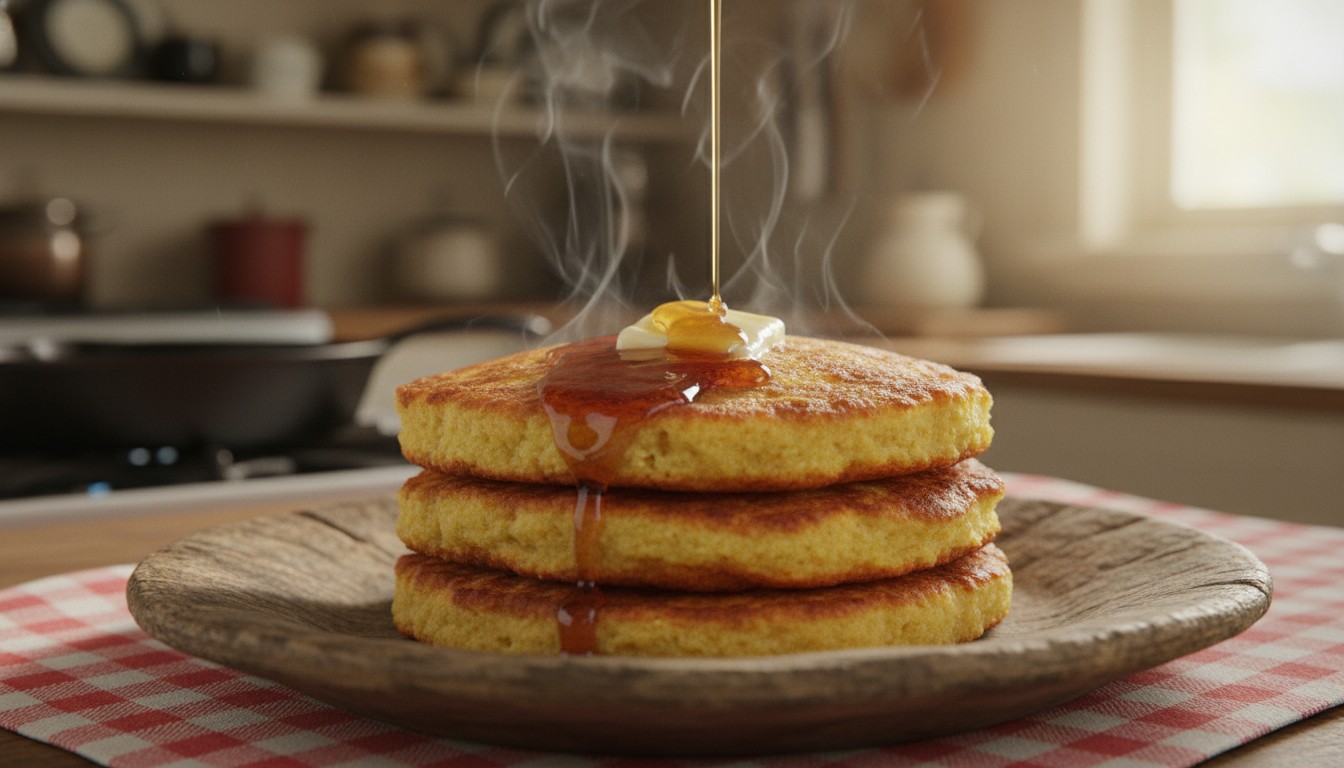
- Classic Breakfast: Top with maple syrup, honey, or molasses for a traditional sweet breakfast. A pat of butter melting on a warm hoe cake is pure bliss.
- Fruit Toppings: Fresh berries, sliced bananas, or a compote made from apples or peaches can add freshness and natural sweetness. These sweet applications make hoe cakes recipes perfect for brunch.
- Whipped Cream or Ice Cream: For a decadent dessert, serve warm hoe cakes with a scoop of vanilla ice cream or a dollop of whipped cream and a sprinkle of cinnamon.
The Difference: Hoe Cakes vs. Johnnycakes vs. Pancakes
It’s common for people to confuse hoe cakes with Johnnycakes or even regular pancakes. While they share some similarities, there are distinct differences that make each unique. Understanding these distinctions helps appreciate the specific qualities of various hoe cakes recipes.
Johnnycakes
Johnnycakes, also known as journey cakes, are another type of cornmeal griddle cake with a long history, particularly in the Northeastern United States (Rhode Island is famous for them). They are typically thinner and crispier than hoe cakes, often made with finely ground white cornmeal and hot water, sometimes with a little sugar. The batter is usually quite thin, creating a more delicate crisp. While similar in their cornmeal base, the preparation and texture of Johnnycakes differ from the fluffier, often thicker hoe cakes recipes.
Pancakes
Regular pancakes are almost always made with wheat flour, leavened with baking powder or baking soda, and contain eggs and milk. They are known for their light, fluffy, and spongy texture. The flavor profile is distinctively different from the earthy, slightly grainy taste of cornmeal-based hoe cakes. While both are griddle cakes, the core ingredient—flour versus cornmeal—creates a fundamental difference in taste and texture. This makes hoe cakes recipes a category all their own.
Common Mistakes to Avoid When Making Hoe Cakes
Even with the simplest of hoe cakes recipes, there are pitfalls to avoid to ensure your results are consistently excellent.
Over-Thick Batter
A batter that’s too thick will yield dense, heavy hoe cakes that can be dry and unappetizing. Always aim for a consistency that pours easily but isn’t watery. Adjust with liquid or cornmeal as needed. This is a common issue with many homemade hoe cakes recipes.
Cold Griddle
Cooking on a cold or insufficiently heated griddle will prevent your hoe cakes from browning properly and can lead to uneven cooking. Give your griddle or skillet ample time to heat up to the correct temperature before you start cooking your hoe cakes. A properly heated surface is key for perfect griddle cakes.
Flipping Too Soon or Too Often
Resist the urge to flip your hoe cakes prematurely. Wait until you see bubbles forming on the surface and the edges look set and slightly dry. Flipping too early can cause them to break apart. Once flipped, try to avoid flipping them multiple times, as this can compress the batter and prevent them from cooking evenly. Patience is a virtue when mastering hoe cakes recipes.
Not Enough Fat
While you don’t want your hoe cakes swimming in oil, using too little fat can lead to sticking and an unappealing, dry exterior. Ensure your cooking surface is adequately greased before each batch. The right amount of fat contributes to that desirable crispy edge that makes hoe cakes so delicious.
Ignoring the Resting Time
Skipping the 5-10 minute rest period for the batter means the cornmeal won’t fully hydrate. This can result in a slightly gritty texture rather than the smooth, tender crumb you’re aiming for. This small step makes a big difference in all hoe cakes recipes.
The Versatility of Hoe Cakes in Modern Kitchens
While traditionally a rustic dish, hoe cakes have found their way into modern culinary applications, demonstrating their incredible versatility. Chefs and home cooks alike are exploring new ways to incorporate these delightful cornmeal cakes into contemporary meals.
Brunch Staple
Beyond just breakfast, hoe cakes are becoming a popular brunch item. Their ability to pair well with both sweet and savory toppings makes them a star on any brunch menu. Imagine a stack of fluffy hoe cakes topped with avocado, a fried egg, and a sprinkle of chili flakes, or a sweet version with berry compote and crème fraîche. The possibilities for hoe cakes recipes at brunch are endless.
Appetizer Options
Mini hoe cakes can make fantastic appetizers. Top them with smoked salmon and cream cheese, pulled pork with a dollop of coleslaw, or even a sophisticated spread like goat cheese and fig jam. Their sturdy yet tender base makes them perfect for holding various toppings without falling apart. These creative hoe cakes recipes are great for entertaining.
Gluten-Free Alternative
Since traditional hoe cakes are made with cornmeal, they are naturally gluten-free (ensure your cornmeal is certified gluten-free if necessary). This makes them an excellent alternative for those with gluten sensitivities or celiac disease who miss the comforting texture of bread or pancakes. Many people seek out hoe cakes recipes specifically for this benefit.
Meal Prep Friendly
Cooked hoe cakes can be made ahead of time and stored in the refrigerator for a few days or frozen for longer. They reheat beautifully in a toaster, oven, or skillet, making them a convenient option for quick meals or snacks throughout the week. This convenience adds to the appeal of having go-to hoe cakes recipes.
Exploring Regional Variations and Their Influence on Hoe Cakes Recipes
While the concept of cornmeal griddle cakes is widespread, specific regional influences have shaped hoe cakes recipes across the South, each adding unique characteristics.
Appalachian Hoe Cakes
In the Appalachian region, hoe cakes often lean towards the simpler, more rustic side, reflecting the resourceful nature of mountain cooking. These versions might use just cornmeal, water, and salt, cooked until very crispy on the outside. They are typically thicker and heartier, meant to be a substantial accompaniment to a meal. The emphasis here is on the pure corn flavor, making these hoe cakes recipes a true taste of the mountains.
Lowcountry Hoe Cakes (South Carolina and Georgia Coast)
In the Lowcountry, hoe cakes might incorporate a bit more richness, sometimes using milk or even heavy cream. They are often served alongside seafood dishes, like shrimp and grits, or as a base for savory toppings. The texture can be slightly softer and more refined than their Appalachian counterparts, showcasing the bounty of the coastal region. These hoe cakes recipes often reflect a more refined culinary tradition.
Texas-Style Hoe Cakes
While not as historically prevalent as in the Deep South, Texas has its own take, sometimes incorporating a touch of chili powder or cumin for a Tex-Mex twist. These hoe cakes might be served with BBQ or Tex-Mex stews, acting as a hearty bread. This demonstrates how hoe cakes recipes can adapt to different culinary landscapes.
The Enduring Appeal of traditional recipes
Despite these regional nuances, the core appeal of hoe cakes remains their simplicity, versatility, and comforting nature. They represent a connection to a culinary past, a reminder of how delicious humble ingredients can be. Every time you make hoe cakes, you’re participating in a rich tradition that has nourished generations. These old-fashioned hoe cakes recipes are more than just food; they’re a piece of history.
Troubleshooting Common Hoe Cake Issues
Even experienced cooks can run into issues. Here’s how to tackle common problems with your hoe cakes recipes.
Hoe Cakes are Crumbly
If your hoe cakes are falling apart, the batter might be too dry or you might be using too coarse of cornmeal. Add a little more liquid (milk or water) until the batter holds together better. An egg can also act as a binder if your recipe allows for it. Ensuring proper hydration of the cornmeal is key for all hoe cakes recipes.
Hoe Cakes are Gummy or Dense
This usually indicates overmixing the batter or insufficient leavening. Remember to mix until just combined. If using baking powder or soda, ensure they are fresh. A proper rest time for the batter can also help prevent gumminess. For light, fluffy hoe cakes, avoid overworking the batter.
Hoe Cakes Stick to the Griddle
Not enough fat or a griddle that isn’t hot enough are common culprits. Make sure your cooking surface is well-greased and preheated to medium heat before adding the batter. A well-seasoned cast-iron skillet is a hoe cake’s best friend. This is a crucial step for achieving perfect hoe cakes recipes.
Hoe Cakes Burn Before Cooking Through
Your griddle is too hot! Reduce the heat to medium. The exterior should brown gradually while the interior cooks through. Patience is essential for evenly cooked hoe cakes. Adjusting the heat is a key skill when making any of these hoe cakes recipes.
By understanding these common issues and how to resolve them, you’ll be well on your way to consistently perfect hoe cakes every time you embark on preparing one of the many delicious hoe cakes recipes.

A close-up, macro shot of a single hoe cake with a perfectly crispy, golden-brown edge and a tender,…
Comparison Analysis
| Feature | Hoe Cakes | Johnnycakes | Pancakes (Wheat Flour) |
|---|---|---|---|
| Main Ingredient | Cornmeal | Cornmeal (often fine-ground) | Wheat Flour |
| Texture | Hearty, slightly grainy, often tender/fluffy | Thinner, crispier, denser | Light, fluffy, spongy |
| Flavor | Earthy corn flavor, savory or subtly sweet | Distinct corn flavor, often savory | Mild, slightly sweet |
| Leavening | Often baking powder/soda, or unleavened | Less common, sometimes unleavened | Always baking powder/soda |
| Origin | Southern US | Northeastern US (esp. Rhode Island) | Widespread |
| Typical Use | Side dish, breakfast, often with savory meals | Breakfast, often with sweet toppings | Breakfast, dessert |
| Key Identifier | Cornmeal-based griddle cake, often thicker | Thin, crispy cornmeal cake, often unleavened | Flour-based, light, airy breakfast item |
+Pros
- Simple ingredients, often pantry staples.
- Quick to prepare and cook.
- Versatile: can be savory or sweet.
- Naturally gluten-free (if cornmeal is certified).
- Economical and satisfying comfort food.
- Rich historical and cultural significance.
–Cons
- –Can be dense or dry if batter consistency is off.
- –May absorb too much oil if cooked at wrong temperature.
- –Texture can be gritty if cornmeal isn’t properly hydrated.
- –Requires careful temperature management for even cooking.
- –Not as universally recognized as traditional pancakes.
Key Takeaways
- Hoe cakes are a distinct Southern cornmeal griddle cake, different from pancakes or Johnnycakes.
- Their history is rooted in simplicity, often cooked over open fires by enslaved people and farmers.
- Basic hoe cakes recipes require minimal ingredients: cornmeal, water/milk, salt, and often a leavening agent.
- Achieving the perfect texture involves the right batter consistency and cooking temperature.
- Hoe cakes are incredibly versatile, serving as a savory side dish or a sweet breakfast item.
Frequently Asked Questions
What exactly are hoe cakes?
Hoe cakes are a type of cornmeal griddle cake, traditionally made from cornmeal, water (or milk/buttermilk), and salt, then cooked on a griddle. They are a staple of Southern American cuisine, known for their hearty texture and versatility. The name comes from the historical practice of cooking them on a hoe blade over an open fire.
What’s the difference between hoe cakes and Johnnycakes?
While both are cornmeal-based griddle cakes, Johnnycakes are typically thinner, crisper, and often made with finely ground cornmeal and hot water, originating in the Northeast. Hoe cakes, primarily from the South, tend to be thicker, more tender, and often use leavening agents and milk/buttermilk, leading to a fluffier texture. Both are delicious variations of cornmeal cakes, but their specific hoe cakes recipes differ.
How thick should hoe cakes batter be?
The ideal consistency for hoe cakes batter is similar to a thick pancake batter – it should be pourable but not watery, and thick enough to hold its shape on the griddle. If it’s too thick, add a little more liquid; if too thin, add a spoonful of cornmeal. This consistency is crucial for all hoe cakes recipes.
Are hoe cakes gluten-free?
Yes, traditional hoe cakes recipes are naturally gluten-free as they are made from cornmeal, not wheat flour. However, always check the cornmeal packaging to ensure it’s certified gluten-free if cross-contamination is a concern for severe allergies.
What are the best ways to serve hoe cakes?
The best way to serve hoe cakes depends on your preference! For savory options, pair them with fried chicken, collard greens, chili, or bacon. For sweet, top them with maple syrup, honey, molasses, fresh fruit, or even whipped cream. Their versatility makes them suitable for any meal.
How can I make my hoe cakes light and fluffy?
The key to fluffy hoe cakes lies in using a leavening agent (like baking powder or baking soda with buttermilk), not overmixing the batter, and allowing the batter to rest for 5-10 minutes before cooking. Also, ensure your griddle isn’t too hot, allowing them to cook through evenly.
Do I need a cast-iron skillet to make hoe cakes?
While a cast-iron skillet is traditional and excellent for even heating, any heavy-bottomed skillet or a flat griddle will work well. Just ensure it’s adequately greased and preheated to medium heat for the best results with your hoe cakes recipes.
Can I make hoe cakes ahead of time and reheat them?
Yes, cooked hoe cakes can be stored in an airtight container in the refrigerator for 3-4 days or frozen for up to 2-3 months. Reheat them in a toaster, oven, or a lightly greased skillet until warmed through and slightly crispy. These hoe cakes recipes are great for meal prep.
Why are they called ‘hoe cakes’?
The term ‘hoe cake’ is believed to have originated from the practice of cooking these cornmeal flatbreads on the blade of a field hoe over an open fire, a common method used by enslaved people and farmers in the American South due to lack of traditional cooking equipment. This reflects the humble origins of these beloved hoe cakes recipes.
Why do my hoe cakes taste bitter sometimes?
While some find a slight bitterness in certain cornmeals, it’s usually balanced by salt and any added sweetness. If your hoe cakes taste bitter, ensure your leavening agents (baking powder/soda) are fresh, as expired ones can impart an off-flavor. Also, check your cornmeal for freshness. Adjusting the ratio of salt and a pinch of sugar can also help. Perfecting hoe cakes recipes means balancing these flavors.
Conclusion
From their humble beginnings cooked over open fires to becoming a cherished staple on Southern tables, hoe cakes represent more than just a simple cornmeal griddle cake. They embody a rich cultural heritage, resilience, and the enduring power of simple, honest food. Mastering hoe cakes recipes is a rewarding culinary journey that connects you to generations of cooks who have found comfort and sustenance in these delicious creations. Whether you prefer them savory with a side of collard greens or sweet with a drizzle of maple syrup, the versatility of hoe cakes makes them a perfect addition to any meal. We’ve explored the history, the essential ingredients, classic hoe cakes recipes, and exciting variations, along with crucial tips for achieving perfection. Now, it’s your turn to bring these traditions into your kitchen. Don’t be intimidated by the simplicity; embrace it. Experiment with different cornmeal types, liquids, and delicious add-ins to find your signature hoe cakes recipe. Gather your ingredients, heat your griddle, and get ready to experience the authentic taste of the South. Share your creations, invite friends and family, and keep the tradition of delicious hoe cakes alive. Start cooking your favorite hoe cakes recipes today and savor a piece of American culinary history!