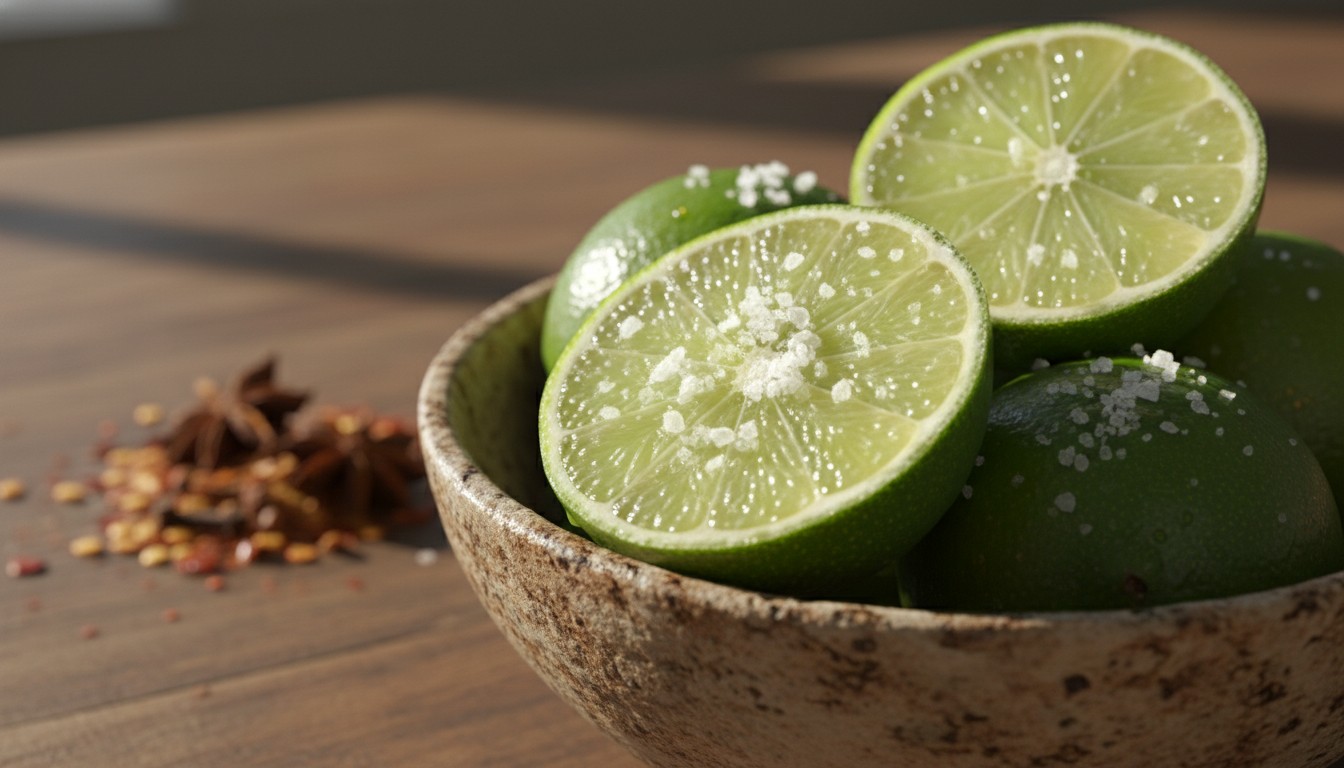
Searching for a daring, tangy condiment that provides a punch to curries, rice, and snacks? A well-made lime pickle recipe delivers intense taste, vibrant shade, and a satisfying crunch—all whereas preserving the citrusy zest of contemporary limes. This conventional South Asian staple has been handed down via generations, cherished not just for its style but in addition for its digestive advantages and lengthy shelf life. Whether or not you are a seasoned prepare dinner or a curious newbie, mastering selfmade lime pickle opens the door to genuine flavors and culinary creativity.
Table of Contents
- Table of Contents
- Why Lime Pickle Deserves a Place in Your Pantry
- Key Advantages of Do-it-yourself Lime Pickle recipe
- Important Substances for Genuine Lime Pickle recipe
- Core Substances
- Non-compulsory Add-Ins for Taste Variation
- Step-by-Step Lime Pickle Recipe (Conventional Methodology)
- Substances (Makes ~1 kg)
- Directions
- Regional Variations of Lime Pickle
- South Indian Type (Kerala & Tamil Nadu)
- Bengali Lime Pickle
- Punjabi & North Indian Type
- Sri Lankan Lime Pickle recipe
- Fermentation Science: Why It Issues
- Storage Ideas for Most Freshness
- Widespread Errors to Keep away from
- Artistic Methods to Use Lime Pickle recipe
- Key Takeaways
- Continuously Requested Questions (FAQ)
- Can I make lime pickle with out sun-drying?
- How lengthy does lime pickle recipe final?
- Can I take advantage of bottled lime juice as an alternative of contemporary limes?
- Is lime pickle vegan?
- Why is my pickle too salty?
On this complete information, we’ll stroll you thru each step of crafting your individual lime pickle—from choosing the proper limes to storing your completed jar for months of enjoyment. You’ll find out about important components, fermentation methods, regional variations, and professional suggestions to make sure success each time. By the tip, you’ll perceive why lime pickle isn’t only a aspect dish—it’s a cultural treasure and a kitchen important.
Why Lime Pickle Deserves a Place in Your Pantry
Lime pickle, often known as naranga achar in Malayalam, golka achar in Bengali, or just nimboo ka achar in Hindi, is greater than only a condiment—it’s a taste enhancer, urge for food stimulant, and digestive help. Made by preserving limes in salt, oil, and spices, this fermented delight develops complicated umami notes over time. Its sharp acidity balances wealthy dishes like biryani, dal, or fried snacks, making it a flexible addition to any meal.
Past style, lime pickle presents dietary perks. The fermentation course of boosts helpful micro organism, supporting intestine well being. Limes themselves are wealthy in vitamin C and antioxidants, whereas spices like mustard seeds, fenugreek, and crimson chili add anti-inflammatory properties. Plus, when made at residence, you management the standard of components—no synthetic preservatives or extreme sugar.
Key Advantages of Do-it-yourself Lime Pickle recipe
- Lengthy shelf life: Correctly ready, it lasts as much as a yr when saved appropriately.
- Digestive help: The salt and spices help digestion and scale back bloating.
- Taste depth: Aged pickles develop a richer, extra balanced style.
- Zero waste: Use complete limes—rind, juice, and flesh—minimizing meals waste.
Important Substances for Genuine Lime Pickle recipe
Making a scrumptious lime pickle begins with high-quality, contemporary components. Whereas recipes fluctuate by area, sure elements are non-negotiable for authenticity and security.
Core Substances
- Limes: Select agency, unblemished limes with thick rinds. Persian limes work properly, however key limes (like kaffir limes) supply a extra intense aroma.
- Salt: Use non-iodized salt (like kosher or sea salt) to keep away from cloudiness and help fermentation.
- Oil: Mustard oil is conventional and provides pungency, however refined vegetable or sunflower oil works when you want milder taste.
- Spices: Mustard seeds, fenugreek seeds, turmeric, crimson chili powder, asafoetida (hing), and fennel seeds kind the spine of most recipes.
Non-compulsory Add-Ins for Taste Variation
- Dried crimson chilies (complete or crushed)
- Garlic cloves (evenly crushed)
- Ginger slices
- Jaggery or sugar (for a touch of sweetness)
- Curry leaves (for aroma)
Tip: All the time use clear, dry utensils and sterilized jars to forestall contamination and spoilage.
Step-by-Step Lime Pickle Recipe (Conventional Methodology)
This basic lime pickle recipe yields about 2–3 jars and requires minimal tools. The method entails salting, drying, and oil infusion over a number of days.
Substances (Makes ~1 kg)
- 1 kg contemporary limes
- 150 g non-iodized salt
- 200 ml mustard oil (or impartial oil)
- 2 tbsp mustard seeds
- 1 tbsp fenugreek seeds
- 1 tbsp turmeric powder
- 2 tbsp crimson chili powder (modify to style)
- 1 tsp asafoetida (hing)
- 1 tbsp fennel seeds
- 10–12 dried crimson chilies (elective)
- 10 garlic cloves, evenly crushed (elective)
Directions
- Put together the limes: Wash and dry limes totally. Lower every into 6–8 wedges, leaving them connected on the base (like a flower). Take away seeds if desired.
- Salt the limes: Generously rub salt into every wedge. Place in a big bowl, cowl, and let sit for twenty-four–48 hours. The limes will launch juice and soften.
- Dry the limes: Unfold the salted limes on a clear tray and sun-dry for two–3 days (or use a dehydrator at 50°C/120°F for 8–10 hours). They need to be barely leathery however not brittle.
- Toast the spices: Dry-roast mustard seeds, fenugreek, and fennel in a pan till aromatic. Let cool, then grind coarsely.
- Infuse the oil: Warmth oil in a pan till smoking, then let cool barely. Add turmeric, chili powder, and asafoetida. Stir rapidly to keep away from burning.
- Mix every thing: In a big bowl, combine dried limes, floor spices, elective garlic and chilies, and the spiced oil. Therapeutic massage gently to coat evenly.
- Jar and ferment: Pack tightly into sterilized glass jars. Press all the way down to take away air pockets. High with additional oil to cowl the limes utterly.
- Age the pickle: Seal jars and retailer in a cool, darkish place for two–4 weeks. Shake gently each few days. The flavour will deepen over time.
As soon as prepared, refrigerate to sluggish fermentation. Use a clear, dry spoon every time to keep up freshness.
Regional Variations of Lime Pickle
Lime pickle varies extensively throughout South Asia, reflecting native tastes and traditions. Listed below are some common types:
South Indian Type (Kerala & Tamil Nadu)
Recognized for its daring use of mustard oil and fenugreek, this model is extremely fragrant. Limes are sometimes quartered and closely salted, then combined with roasted spice powders. Some recipes embrace tamarind for tang or curry leaves for perfume.
Bengali Lime Pickle
Bengali lime pickle tends to be much less oily and extra balanced. It typically consists of panch phoron (a five-spice mix) and a contact of sugar to mellow the acidity. The limes are sometimes lower into halves or quarters and sun-dried totally.
Punjabi & North Indian Type
This model is strong and spicy, with beneficiant quantities of crimson chili powder and asafoetida. Garlic and ginger are widespread additions, and the pickle is normally able to eat inside every week.
Sri Lankan Lime Pickle recipe
In Sri Lanka, lime pickle (known as dehi miris) typically consists of coconut oil and pandan leaves, giving it a singular floral be aware. It’s sometimes much less fermented and served as a contemporary condiment.
Fermentation Science: Why It Issues
Fermentation is the key behind lime pickle’s longevity and taste improvement. When limes are salted and saved, lactic acid micro organism naturally current on the fruit start to interrupt down sugars, producing lactic acid. This lowers the pH, creating an atmosphere hostile to dangerous micro organism whereas preserving the limes.
The method additionally enhances bioavailability of vitamins and produces helpful probiotics. Over time, the interplay between salt, oil, and spices mellows the sharpness of the limes, leading to a posh, savory-sour profile.
For finest outcomes, keep a constant temperature (18–24°C or 65–75°F) throughout fermentation. Keep away from direct daylight, which may degrade oils and spices.
Storage Ideas for Most Freshness
Correct storage ensures your lime pickle stays protected and flavorful for months—and even years.
- Use hermetic glass jars: Plastic can react with acidic ingredients.
- Hold limes submerged in oil: This prevents mould and oxidation.
- Refrigerate after opening: Slows fermentation and preserves texture.
- Label jars with dates: Monitor growing older and freshness.
- Keep away from moisture: All the time use dry spoons—water introduces micro organism.
In the event you discover off smells, slimy texture, or mould, discard the batch. Security first!
Widespread Errors to Keep away from
Even skilled cooks can stumble when making lime pickle. Right here’s the right way to dodge widespread pitfalls:
- Utilizing iodized salt: May cause cloudiness and inhibit fermentation.
- Skipping the drying step: Moisture results in spoilage.
- Overfilling jars: Leaves no room for oil enlargement.
- Utilizing metallic utensils: Reacts with acid; all the time use wooden or plastic.
- Opening jars too quickly: Wait at the least 2 weeks for flavors to meld.
Artistic Methods to Use Lime Pickle recipe
Whereas lime pickle shines alongside rice and curries, it’s additionally a flexible kitchen ingredient.
- Stir into yogurt: Add a spoonful to raita for additional zing.
- Marinate meats: Use as a base for rooster or fish marinades.
- Improve soups: Stir into lentil or vegetable soups for depth.
- High flatbreads: Unfold on roti or paratha with ghee.
- Combine into salads: Chop finely and toss with greens, cucumber, and herbs.
Key Takeaways
- Lime pickle is a fermented condiment produced from limes, salt, oil, and spices.
- Do-it-yourself variations supply superior taste, well being advantages, and ingredient management.
- The method entails salting, drying, spicing, and growing older for two–4 weeks.
- Regional types fluctuate in spice blends, oil sorts, and preparation strategies.
- Correct storage in sterilized jars with oil protection ensures security and longevity.
- Keep away from widespread errors like utilizing iodized salt or moist utensils.
Continuously Requested Questions (FAQ)
Can I make lime pickle with out sun-drying?
Sure! In the event you dwell in a moist or wet local weather, use a meals dehydrator or oven on the bottom setting (50°C/120°F) to dry the limes. The purpose is to take away moisture with out cooking them.
How lengthy does lime pickle recipe final?
When saved correctly in a cool, darkish place and refrigerated after opening, lime pickle can last as long as 12 months. All the time test for indicators of spoilage earlier than use.
Can I take advantage of bottled lime juice as an alternative of contemporary limes?
No. Recent limes are important for texture, fermentation, and genuine taste. Bottled juice lacks the rind and pure micro organism wanted for correct pickling.
Is lime pickle vegan?
Sure, so long as you utilize plant-based oil and keep away from animal-derived components like ghee. Most conventional recipes are naturally vegan.
Why is my pickle too salty?
Salting is essential for preservation, however you possibly can scale back salt barely if most well-liked. Rinse limes briefly earlier than use, however don’t soak them—this removes taste and dangers spoilage.
Prepared to remodel abnormal meals with daring, selfmade taste? With this lime pickle recipe and knowledgeable steerage, you’re outfitted to create a condiment that’s as nutritious as it’s scrumptious. Whether or not you comply with custom or add your individual twist, your kitchen will thanks.