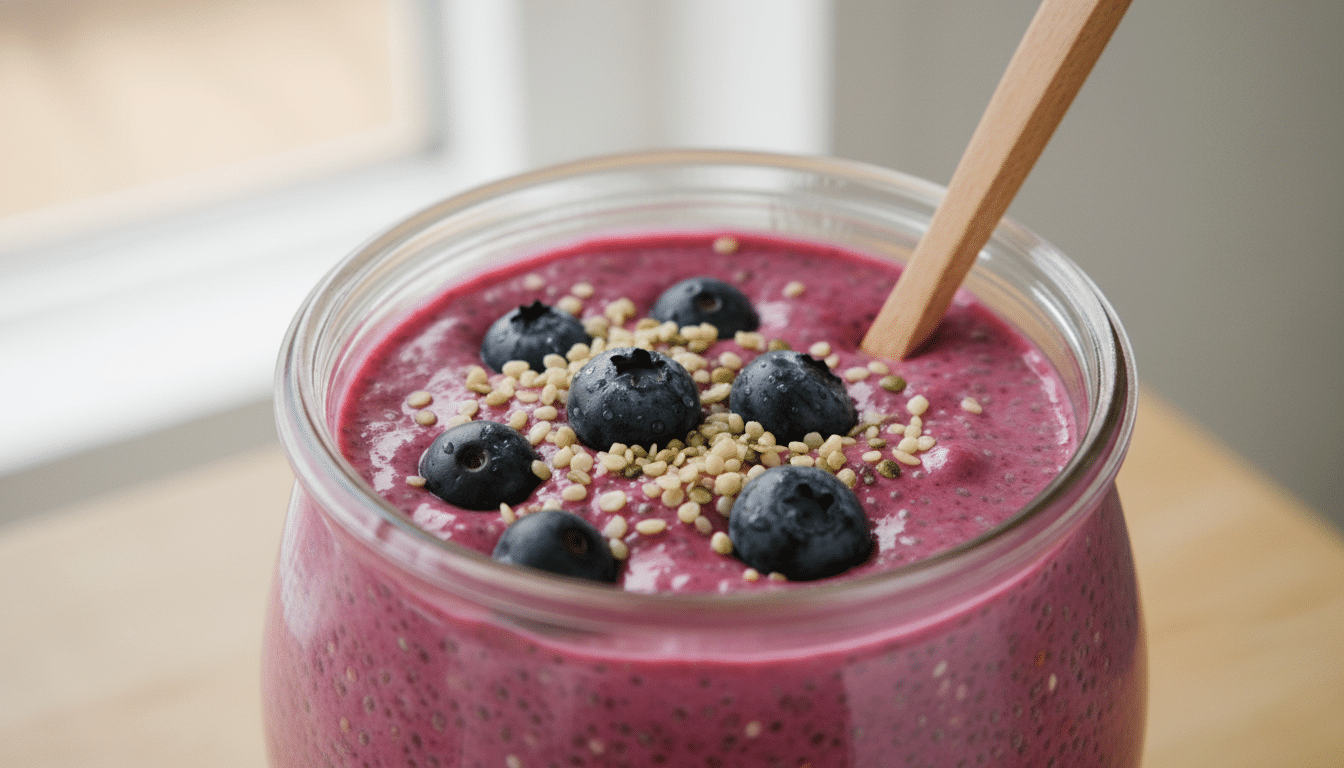
Embarking on a bariatric surgery journey is a monumental step towards a healthier life, but it also comes with significant dietary adjustments. Post-surgery, your body’s nutritional needs change dramatically, requiring nutrient-dense foods that are easy to digest and support healing. This is where the humble seed emerges as a true superfood for bariatric patients. Often overlooked, seeds are tiny powerhouses packed with essential vitamins, minerals, healthy fats, fiber, and protein – all critical components for recovery and long-term wellness. Incorporating a well-thought-out bariatric seed recipe into your daily meals can be a game-changer, helping you meet your nutritional goals without overwhelming your new digestive system. From aiding digestion to providing sustained energy, seeds offer a versatile and beneficial addition to your post-bariatric diet. Let’s delve into how to harness their power safely and deliciously.
Key Takeaways
- Seeds are nutrient-dense powerhouses, offering essential protein, fiber, and healthy fats crucial for bariatric patients.
- Proper preparation, such as grinding or soaking, is vital for bariatric patients to ensure digestibility and nutrient absorption.
- Popular bariatric-friendly seeds include chia, flax, hemp, pumpkin, and sunflower, each offering unique benefits.
- Creative bariatric seed recipes can easily integrate seeds into smoothies, yogurts, puddings, or as crunchy toppings.
- Always consult with your bariatric dietitian or surgeon before making significant dietary changes to ensure safety and suitability.
Why Seeds are Essential After Bariatric Surgery
Following bariatric surgery, your stomach capacity is significantly reduced, meaning every bite you take needs to deliver maximum nutritional value. This is precisely why seeds become an invaluable component of a bariatric diet. They offer a concentrated source of vital nutrients that are often challenging to obtain in sufficient quantities from other foods due to portion restrictions and altered absorption. For instance, protein is paramount for healing and maintaining lean muscle mass, and many seeds provide an excellent plant-based source. Fiber is also crucial, not only for digestive health and preventing constipation (a common post-surgery issue) but also for promoting satiety, helping you feel fuller for longer on smaller portions. Healthy fats, particularly omega-3s, support brain health, reduce inflammation, and aid in the absorption of fat-soluble vitamins. A well-crafted bariatric seed recipe can address multiple nutritional needs in a single, small serving.

Furthermore, seeds are incredibly versatile. They can be easily incorporated into various soft and pureed foods during the initial post-operative stages, and then into more textured meals as you progress. Their small size means they don’t take up much precious stomach space, yet they deliver a mighty nutritional punch. The key lies in understanding which seeds are best, how to prepare them correctly, and how to integrate them into delicious and safe bariatric seed recipes.
Nutritional Powerhouses: The Best Seeds for Bariatric Patients
Not all seeds are created equal, especially when it comes to the specific needs of bariatric patients. Here are some of the top contenders and why they should be part of your bariatric seed recipe repertoire:
Chia Seeds
Chia seeds are perhaps the most popular choice for bariatric patients, and for good reason. These tiny black or white seeds are hydrophilic, meaning they absorb liquid and form a gel-like consistency. This property makes them excellent for creating puddings and thickening smoothies, which is ideal for the soft food stages post-surgery. Chia seeds are exceptionally rich in fiber, promoting digestive regularity and satiety. They also boast a significant amount of omega-3 fatty acids, protein, calcium, and magnesium. A simple bariatric seed recipe featuring chia seeds can be an overnight pudding, providing a nutrient-dense breakfast or snack.
Flax Seeds
Flax seeds are another superstar, particularly for their high content of alpha-linolenic acid (ALA), a plant-based omega-3 fatty acid. They are also an excellent source of dietary fiber, both soluble and insoluble, which is vital for gut health. For bariatric patients, it’s crucial to consume flax seeds in their ground form. Whole flax seeds can pass through the digestive system undigested, meaning you won’t reap their full nutritional benefits. Ground flax seeds can be easily sprinkled into yogurts, smoothies, or used as a thickening agent in soups. Incorporating ground flax into a bariatric seed recipe is an effortless way to boost omega-3 and fiber intake.
Hemp Seeds (Hemp Hearts)
Hemp seeds, or hemp hearts, are a fantastic source of complete protein, meaning they contain all nine essential amino acids. This makes them particularly valuable for bariatric patients who need to prioritize protein intake. They are also rich in omega-3 and omega-6 fatty acids in an optimal ratio, as well as various minerals like magnesium, iron, and zinc. Unlike chia or flax, hemp seeds have a softer texture and a mild, nutty flavor, making them easy to sprinkle directly onto salads, cottage cheese, or blend into smoothies without needing to be ground. A bariatric seed recipe can easily feature hemp seeds as a protein-packed topping.
Pumpkin Seeds (Pepitas)
Pumpkin seeds are larger than chia or flax but still offer a wealth of nutrients. They are a good source of protein, healthy fats, fiber, and particularly rich in zinc, magnesium, and iron – minerals that bariatric patients can sometimes struggle to absorb adequately. Their slightly crunchy texture makes them suitable for later stages of the bariatric diet when more textured foods are introduced. They can be enjoyed roasted as a snack, added to salads for crunch, or incorporated into savory bariatric seed recipes. Always ensure they are thoroughly chewed or blended if incorporating into a softer meal.

Sunflower Seeds
Similar to pumpkin seeds, sunflower seeds offer a good profile of protein, healthy fats, and fiber. They are also an excellent source of Vitamin E, an important antioxidant, and selenium. Their mild flavor makes them highly versatile. Like pumpkin seeds, they are best introduced in later stages due to their texture. They can be used in a similar fashion – sprinkled on salads, yogurts, or as part of a homemade trail mix (once approved by your dietitian). A bariatric seed recipe can use sunflower seeds to add a pleasant texture and nutritional boost.
Crafting Your Perfect Bariatric Seed Recipe: Key Considerations
Successful integration of seeds into your bariatric diet isn’t just about choosing the right seeds; it’s also about proper preparation and mindful consumption. These considerations are crucial for safety, digestion, and maximizing nutrient absorption.
Texture and Consistency
For the initial post-operative phases (liquid, pureed, soft foods), the texture of seeds is paramount. Whole seeds, especially larger ones like pumpkin or sunflower, can be difficult to digest and may cause discomfort or even blockages. For this reason:
- Grind Flax Seeds: Always use ground flax seeds. You can buy them pre-ground or grind whole flax seeds in a coffee grinder.
- Soak Chia Seeds: Chia seeds naturally swell and form a gel when soaked, making them perfectly soft and easy to digest. This is why a bariatric seed recipe like chia pudding is so popular.
- Hemp Seeds: Hemp hearts are naturally soft and generally well-tolerated without grinding, but observe how your body reacts.
- Larger Seeds (Pumpkin, Sunflower): Introduce these much later, in the soft or regular food stages, and ensure they are thoroughly chewed. Blending them into smoothies or sauces is also an option for earlier stages.
Portion Control
Even though seeds are nutrient-dense, they are also calorie-dense. Bariatric patients must adhere to strict portion control. A small amount, typically 1-2 tablespoons per serving, is usually sufficient to reap the benefits without exceeding calorie limits or displacing other essential foods. Always measure your seeds when preparing any bariatric seed recipe.
Hydration
Seeds, particularly chia and flax, are high in fiber and absorb a lot of liquid. It is absolutely critical to maintain adequate hydration when consuming seeds to prevent constipation or discomfort. Drink plenty of water throughout the day, especially when you include a bariatric seed recipe in your meal plan.

Flavor Profiles
Seeds generally have mild, nutty flavors that can complement both sweet and savory dishes. Experiment to find what you enjoy! Chia and flax are great in sweet preparations like puddings and smoothies. Hemp, pumpkin, and sunflower seeds can enhance savory dishes, salads, or even act as a crust for lean proteins. A versatile bariatric seed recipe can be adapted to your taste preferences.
Delicious Bariatric Seed Recipe Ideas
Here are some practical and delicious bariatric seed recipe ideas designed to be easy on your new stomach while maximizing nutrition.
Overnight Chia Seed Pudding (Classic Bariatric Seed Recipe)
This is a staple for many bariatric patients due to its soft texture and high nutritional value.
Ingredients:
- 2 tablespoons chia seeds
- 1/2 cup unsweetened almond milk (or other milk alternative)
- 1/4 teaspoon sugar-free vanilla extract
- Pinch of cinnamon (optional)
- 1-2 drops liquid stevia or other bariatric-friendly sweetener to taste
Instructions:
1. In a small jar or container, combine chia seeds, almond milk, vanilla extract, cinnamon (if using), and sweetener.
2. Stir well to ensure no clumps. Let it sit for 5 minutes, then stir again.
3. Cover and refrigerate overnight, or for at least 4 hours, until thick and gel-like.
4. Serve chilled. You can top with a few fresh berries (once approved) or a sprinkle of hemp seeds for extra protein. This bariatric seed recipe is perfect for breakfast or a snack.
Flaxseed Smoothie Booster
An easy way to add fiber and omega-3s to your favorite bariatric-friendly smoothie.
Ingredients:
- 1 scoop protein powder (unflavored or vanilla)
- 1/2 cup unsweetened almond milk
- 1/4 cup plain Greek yogurt (sugar-free)
- 1 tablespoon ground flax seeds
- 1/4 cup spinach (you won’t taste it!)
- Small amount of approved fruit (e.g., 1/4 cup berries or half a small banana)
Instructions:
1. Combine all ingredients in a blender.
2. Blend until completely smooth. Add a little more milk if needed to reach desired consistency.
3. Enjoy immediately. This bariatric seed recipe makes a fantastic breakfast or post-workout snack.
Hemp Seed Crusted Lean Protein
For later stages when solid foods are introduced, hemp seeds can add a nutritious crust.
Ingredients:
- 4 oz lean white fish fillet (e.g., cod, tilapia) or chicken breast, pounded thin
- 1 egg white, lightly beaten
- 2-3 tablespoons hemp seeds
- Salt and pepper to taste
- Cooking spray or a tiny amount of olive oil
Instructions:
1. Preheat oven to 375°F (190°C) or prepare a non-stick pan for stovetop cooking.
2. Season the fish or chicken with salt and pepper.
3. Dip the fillet into the beaten egg white, allowing excess to drip off.
4. Press both sides of the fillet into the hemp seeds, ensuring it’s evenly coated.
5. Bake for 12-15 minutes until cooked through, or pan-fry in a lightly oiled pan over medium heat for 3-4 minutes per side. This bariatric seed recipe adds a lovely texture and protein boost.
Pumpkin Seed & Cottage Cheese Bowl
A simple, protein-rich snack or light meal for later stages.
Ingredients:
- 1/2 cup low-fat cottage cheese
- 1 tablespoon pumpkin seeds (pepitas)
- Pinch of black pepper or a dash of hot sauce (optional)
Instructions:
1. Combine cottage cheese and pumpkin seeds in a bowl.
2. Season as desired. Ensure thorough chewing of the pumpkin seeds. This bariatric seed recipe is quick and satisfying.
Savory Seed Crackers (Homemade, for Later Stages)
While this bariatric seed recipe requires a bit more effort, these crackers are excellent for a healthy crunch.
Ingredients:
- 1/2 cup ground flax seeds
- 1/4 cup chia seeds
- 1/4 cup hemp seeds
- 1/2 teaspoon garlic powder
- 1/2 teaspoon onion powder
- 1/4 teaspoon salt
- 1 cup warm water
Instructions:
1. Preheat oven to 300°F (150°C).
2. In a bowl, combine all dry ingredients. Add warm water and stir well until a thick batter forms. Let sit for 10-15 minutes for seeds to absorb water.
3. Spread the mixture very thinly (about 1/8 inch thick) onto a parchment-lined baking sheet.
4. Bake for 30 minutes, then score into cracker shapes with a knife. Continue baking for another 30-60 minutes, or until completely dry and crispy. Let cool completely before breaking apart. Store in an airtight container. Use these for dipping into approved purees or as a crunchy side.
Tips for Incorporating Seeds Safely and Effectively
- Start Small: Always introduce new foods, including seeds, in very small quantities and gradually increase as tolerated. Pay close attention to how your body reacts.
- Hydrate, Hydrate, Hydrate: This cannot be stressed enough. Fiber-rich seeds require ample fluid intake to move through the digestive system smoothly.
- Chew Thoroughly: For whole seeds (in later stages), proper chewing is essential to prevent digestive issues.
- Listen to Your Body: If you experience any discomfort, gas, bloating, or pain, stop consuming the seeds and consult your healthcare team.
- Variety is Key: Don’t rely on just one type of seed. Rotate different seeds to benefit from their diverse nutritional profiles.
- Read Labels: When buying pre-packaged bariatric seed recipe ingredients, ensure they are sugar-free and don’t contain any added unhealthy oils or preservatives.
Common Mistakes to Avoid with Bariatric Seed Recipes
While seeds are incredibly beneficial, certain pitfalls can negate their advantages or even cause discomfort for bariatric patients. Being aware of these common mistakes can help you navigate your post-surgery diet more effectively.
Not Grinding Flax Seeds
This is one of the most frequent errors. Whole flax seeds are largely indigestible, meaning your body passes them without absorbing their valuable omega-3s and fiber. Always use ground flax seeds in your bariatric seed recipe to ensure you get all the nutritional benefits.
Insufficient Hydration
As mentioned, seeds are fiber powerhouses. Without adequate water intake, this fiber can lead to constipation, discomfort, or even blockages. Always pair your bariatric seed recipe with plenty of fluids throughout the day.
Over-Portioning
Seeds are calorie-dense. While healthy, consuming too many can lead to excess calorie intake, hindering weight loss goals, or causing stomach upset due to the fiber content. Stick to recommended portion sizes (typically 1-2 tablespoons per serving) for any bariatric seed recipe.
Introducing Whole, Large Seeds Too Early
Seeds like pumpkin and sunflower seeds, when whole, can be challenging for a newly altered digestive system. They pose a risk of discomfort or even obstruction if not chewed thoroughly or if introduced before your body is ready for more textured foods. Always follow your dietitian’s guidance on food progression.
Ignoring Body Signals
Every bariatric patient’s journey is unique. What works for one person might not work for another. If a particular bariatric seed recipe or type of seed causes gas, bloating, pain, or any other digestive upset, it’s crucial to stop consuming it and consult your medical team. Don’t push through discomfort.
Relying Solely on Seeds for Nutrition
While seeds are fantastic supplements, they are not a complete meal replacement. They should complement a balanced diet rich in lean proteins, non-starchy vegetables, and other approved nutrient sources. A bariatric seed recipe should be part of a diverse diet, not the entirety of it.
Consulting Your Healthcare Provider
Before making any significant dietary changes or introducing new foods like various seeds, it is absolutely essential to consult with your bariatric surgeon or registered dietitian. They can provide personalized guidance based on your specific surgery type, recovery stage, and individual nutritional needs. They can help you determine the appropriate timing, portion sizes, and preparation methods for incorporating seeds safely into your bariatric diet. Your healthcare team is your best resource for ensuring your post-surgical nutrition plan supports your long-term health and success.

Comparison Analysis
| Seed Type | Key Benefit |
|---|---|
| Chia | Fiber, Omega-3s |
| Flax | Omega-3s, Fiber |
| Hemp | Complete Protein |
| Pumpkin | Zinc, Magnesium |
| Sunflower | Vitamin E, Selenium |
Pros
- Excellent source of protein, crucial for muscle maintenance and repair post-surgery.
- High in dietary fiber, aiding digestion, preventing constipation, and promoting satiety.
- Rich in healthy fats (omega-3s), supporting brain health and reducing inflammation.
- Packed with essential vitamins and minerals like calcium, magnesium, zinc, and iron.
- Versatile and can be easily incorporated into a variety of bariatric-friendly meals and snacks.
- Small size allows for nutrient density without taking up much stomach volume.
- Helps stabilize blood sugar levels, preventing energy crashes.
- Can contribute to improved satiety, helping manage cravings and portion control.
Cons
- High calorie density requires strict portion control to avoid excess calorie intake.
- Fiber content can cause discomfort, gas, or bloating if not consumed with adequate hydration.
- Whole seeds (especially larger ones) can be difficult to digest for some bariatric patients and may pose a choking or blockage risk if not chewed thoroughly or prepared correctly.
- Some seeds require grinding (e.g., flax) to unlock their full nutritional benefits.
- Potential for allergic reactions, though rare for common seeds.
- May displace other essential nutrient-dense foods if over-consumed.
Frequently Asked Questions
Are seeds safe for bariatric patients?
Yes, seeds can be highly beneficial for bariatric patients due to their concentrated nutrition. They offer protein, fiber, and healthy fats in small portions, aiding digestion, satiety, and overall wellness post-surgery. However, proper preparation (like grinding or soaking) and portion control are crucial.
Which seeds are best for a bariatric seed recipe?
Chia, flax, and hemp seeds are generally considered excellent choices. Chia seeds are great for puddings due to their gelling properties, ground flax seeds provide essential omega-3s, and hemp seeds offer complete protein with a soft texture. Pumpkin and sunflower seeds can be introduced in later stages, always well-chewed or blended.
What is the recommended portion size for seeds after bariatric surgery?
For most bariatric patients, it’s recommended to start with 1-2 tablespoons of seeds per serving. Always measure your portions and consult with your bariatric dietitian to determine the ideal amount for your specific needs and stage of recovery.
Do I need to grind flax seeds for a bariatric seed recipe?
Yes, it is crucial to consume ground flax seeds. Whole flax seeds often pass through the digestive system undigested, meaning your body won’t absorb their valuable omega-3 fatty acids and fiber. You can buy them pre-ground or grind whole flax seeds yourself.
Is hydration important when incorporating seeds into my bariatric diet?
Yes, drinking plenty of water is absolutely vital when consuming seeds, especially fiber-rich ones like chia and flax. Adequate hydration helps the fiber move through your digestive system smoothly, preventing constipation and discomfort.
How can I incorporate seeds during the early post-op stages (pureed/soft foods)?
Chia seeds are excellent for creating soft, gel-like puddings, making them suitable for the pureed and soft food stages. Ground flax seeds can be blended into smoothies or pureed soups. Hemp seeds are naturally soft and can be added to purees or yogurts. Always ensure any bariatric seed recipe is appropriate for your current dietary stage.
Can seeds help me feel fuller longer after bariatric surgery?
Yes, seeds can definitely help with satiety. Their high fiber and protein content contribute to a feeling of fullness, which is beneficial for bariatric patients managing smaller portion sizes and trying to avoid overeating between meals.
Should I talk to my doctor or dietitian before adding seeds to my diet?
Always consult your bariatric surgeon or dietitian before introducing new foods, including seeds. They can provide personalized advice based on your specific surgery, recovery stage, and individual tolerance, ensuring safe and effective integration into your diet.
What if I experience discomfort after eating a bariatric seed recipe?
If you experience gas, bloating, abdominal pain, or constipation after eating seeds, it could indicate that you’re consuming too much, not drinking enough water, or that the seeds are not prepared correctly (e.g., whole flax). Stop consumption and consult your healthcare team for guidance.
Can seeds replace a full meal in a bariatric diet?
While seeds are healthy, they are not a complete meal replacement. They should be integrated as a nutritious supplement to a balanced bariatric diet that includes lean protein, non-starchy vegetables, and other approved foods to ensure you meet all your nutritional requirements.
Conclusion
Embracing bariatric seed recipes is more than just adding a trendy ingredient to your diet; it’s about strategically fueling your body with concentrated nutrition vital for your post-surgical success. From the omega-3 rich depths of ground flax to the complete protein power of hemp hearts, and the satisfying fiber of chia, these tiny wonders offer immense benefits. They support digestion, promote satiety, and deliver a spectrum of essential vitamins and minerals, all crucial for healing, energy, and long-term weight management. Remember, the journey to a healthier you is a marathon, not a sprint, and every carefully chosen food plays a significant role. By understanding the proper preparation, mindful portioning, and the importance of hydration, you can safely and deliciously integrate these superfoods into your daily routine. Don’t hesitate to experiment with the bariatric seed recipe ideas shared, always keeping your personal tolerance and your healthcare team’s guidance at the forefront. Take this step towards a more robust, nourished, and successful bariatric journey. Start exploring your favorite bariatric seed recipe today and experience the difference!