The Irresistible Charm of Paneer Mutter: A Culinary Journey
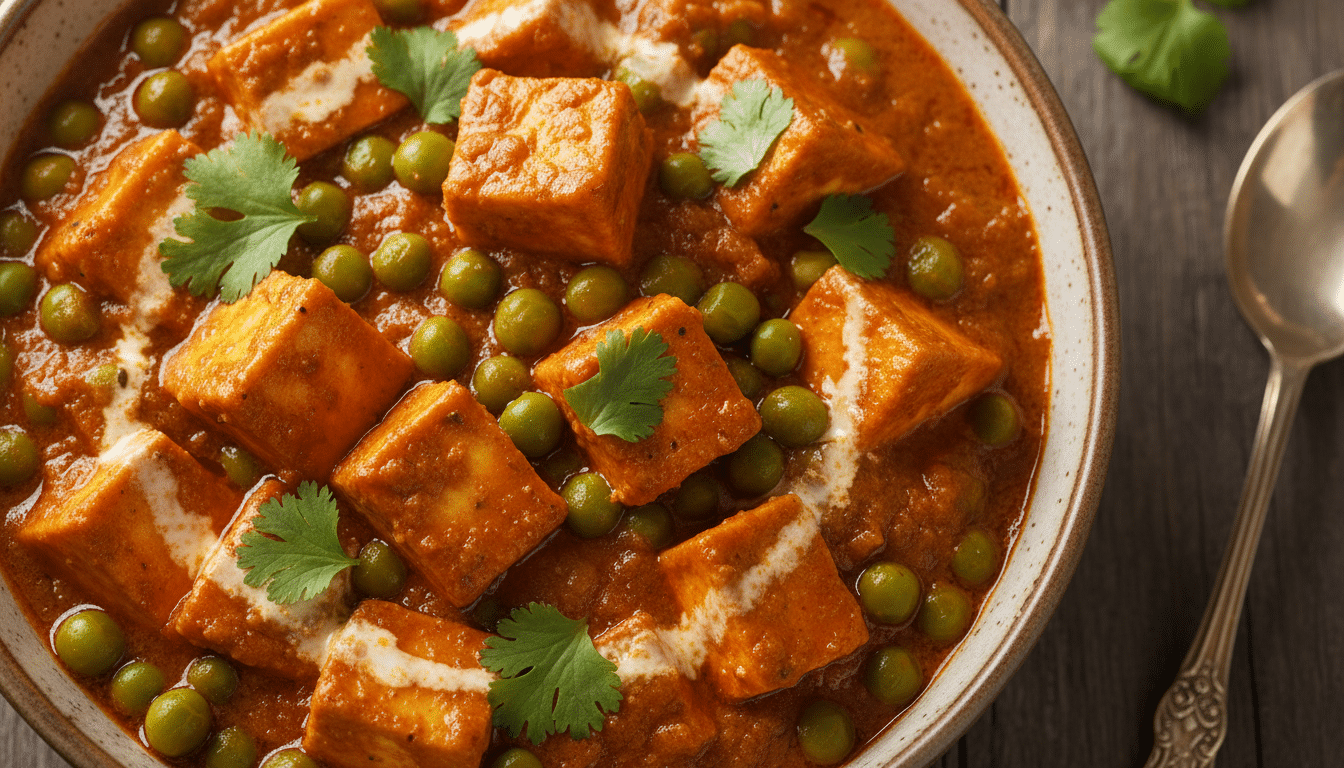
The recipe for paneer mutter is more than just a dish; it’s a celebration of flavors, textures, and culinary tradition. Originating from the northern regions of India, this vegetarian delight has captured hearts globally with its rich, creamy gravy and the delightful combination of tender paneer cubes and sweet green peas. Whether you’re a seasoned chef or a home cook eager to explore Indian cuisine, mastering a delicious recipe for paneer mutter is a rewarding experience that promises a dish brimming with authentic taste. Each household often has its own subtle twist on the recipe for paneer mutter, passed down through generations, making it a truly personal and cherished meal that evokes comfort and nostalgia. The quest for the perfect recipe for paneer mutter often leads to discovering nuances in spice blends and cooking techniques.

A close-up of various whole and ground Indian spices arranged artfully on a rustic wooden board: cum…
A Glimpse into the History and Cultural Significance
Paneer Mutter holds a special place in Indian gastronomy, particularly in North Indian cuisine where paneer is a prevalent ingredient. The dish is a testament to the region’s rich agricultural bounty, combining dairy (paneer) with seasonal vegetables (peas). Historically, such rich, gravy-based dishes were often reserved for special occasions and festivals, symbolizing prosperity and communal feasting. Today, the recipe for paneer mutter is a common fixture on everyday dinner tables, a popular choice for vegetarians, and a comforting meal that brings warmth and satisfaction. Its versatility and widespread appeal demonstrate why learning the recipe for paneer mutter is essential for anyone interested in Indian cooking. The simplicity yet profound depth of flavor in every spoonful makes this recipe for paneer mutter an enduring classic, often served at family gatherings and celebrations. Understanding the cultural context enriches the experience of preparing this wonderful recipe for paneer mutter.
Essential Ingredients for a Perfect Recipe for Paneer Mutter
Crafting an exceptional recipe for paneer mutter begins with understanding its core components. The quality of your ingredients directly impacts the final taste and texture of your curry. Let’s delve into what you’ll need to create the best possible recipe for paneer mutter.
Paneer: The Star of the Show and Its Preparation
Paneer, or Indian cottage cheese, is the hero of this dish. It’s a fresh, non-melting cheese that absorbs flavors beautifully. The texture of paneer is crucial for a great recipe for paneer mutter.
- Fresh Paneer: If you can find fresh paneer from an Indian grocery store or make it at home, it will elevate your recipe for paneer mutter significantly. Homemade paneer is incredibly soft, has a subtle milky flavor, and a delightful crumbly texture that melts in your mouth. This fresh quality is often what distinguishes an ordinary recipe for paneer mutter from an extraordinary one.
- Frozen Paneer: Most readily available in the US, frozen paneer works perfectly well. Thaw it completely before use. To make it soft and succulent, soak the thawed paneer cubes in warm water for 15-20 minutes after cutting them into desired shapes. This simple trick can make a huge difference in the final texture of your recipe for paneer mutter, preventing it from becoming rubbery. Some prefer to lightly pan-fry the paneer cubes until golden before soaking, which adds a slightly nutty flavor and firmer exterior, a common step in many a recipe for paneer mutter.
Mutter (Green Peas): The Sweet Counterpart
Green peas add a burst of sweetness, vibrant color, and a pleasant textural contrast to the rich gravy.
- Fresh Peas: When in season, fresh peas are undoubtedly the best. Their natural sweetness enhances the overall flavor profile of the recipe for paneer mutter and provides a delightful pop. Shelling them can be a labor of love but is well worth the effort.
- Frozen Peas: Convenient and widely available year-round, frozen peas are an excellent substitute. Make sure to thaw them slightly or add them directly to the simmering gravy towards the end of cooking to retain their bright color and tender texture. Avoid overcooking them, as they can become mushy and lose their sweetness, which would detract from the quality of your recipe for paneer mutter.
The Aromatic Base: Onions, Garlic, Ginger, and Tomatoes
This quartet forms the backbone of the gravy for any good recipe for paneer mutter, providing depth, body, and essential flavors.
- Onions: Finely chopped or pureed, onions provide sweetness and body to the gravy. Sautéing them until they turn a light golden brown is crucial for developing a deep, caramelized flavor that forms a foundational layer for your recipe for paneer mutter. Patience here is key; do not rush this step.
- Garlic and Ginger: The dynamic duo of Indian cooking. A fresh paste of garlic and ginger (or finely minced) is indispensable. It adds a pungent, aromatic kick that defines the character of the recipe for paneer mutter. Ensure you cook out the raw smell of the paste for a few minutes.
- Tomatoes: Ripe, red tomatoes form the tangy base. You can use fresh pureed tomatoes or canned crushed tomatoes for convenience. The acidity of tomatoes balances the richness of the paneer and spices, providing a delightful tang that is vital for a well-rounded recipe for paneer mutter. Cook them down thoroughly until the oil separates.
Spices: The Heart of the Flavor in Your Recipe for Paneer Mutter
Indian cuisine is renowned for its intricate spice blends, and the recipe for paneer mutter is no exception. These spices, when correctly tempered and combined, create a symphony of flavors.

A simmering pot on a stovetop, showing the rich, thick tomato-onion gravy bubbling gently. Steam ris…
- Cumin Seeds (Jeera): Used for tempering at the beginning, they provide an earthy, warm aroma that signals the start of your culinary journey for this recipe for paneer mutter.
- Turmeric Powder (Haldi): For its vibrant golden color and subtle earthy notes, plus its well-known anti-inflammatory health benefits.
- Coriander Powder (Dhaniya): A foundational spice, offering a citrusy, floral undertone that adds complexity and body to the gravy. It’s often used in larger quantities than other ground spices in a recipe for paneer mutter.
- Red Chili Powder (Lal Mirch): Adjust to your preferred spice level. Kashmiri chili powder offers a beautiful reddish hue with less heat, making it ideal if you prefer a milder recipe for paneer mutter. For more kick, use a hotter variety.
- Garam Masala: The quintessential finishing spice, a blend of warm, aromatic spices like cardamom, cloves, cinnamon, and black pepper. Add it towards the very end of cooking to retain its delicate fragrance and potent flavor. This spice blend is critical for an authentic Indian spices experience and an authentic recipe for paneer mutter.
- Salt: Essential for seasoning and bringing out all the other flavors. Season gradually and taste as you go.
- Other Optional Spices: Bay leaf, green cardamom pods (crushed slightly for more aroma), or a pinch of asafoetida (hing) added with the cumin seeds can add further complexity and aid digestion. Asafoetida is particularly good if you omit onions and garlic.
Step-by-Step Guide: How to Make the Best Recipe for Paneer Mutter
Let’s dive into the practical steps to prepare a mouth-watering recipe for paneer mutter. Follow these instructions carefully for a restaurant-quality dish at home.
Preparing the Paneer for Your Recipe for Paneer Mutter
1. Cut the Paneer: Cut your paneer block into uniform 1/2 to 3/4-inch cubes. Uniformity ensures even cooking and presentation.
2. Optional Frying (for texture): For a slightly firmer exterior and a richer flavor, you can lightly pan-fry the paneer cubes in a little oil until golden brown on all sides. This step is optional but highly recommended by many who seek an enhanced recipe for paneer mutter with a more robust paneer texture.
3. Soak (if fried or frozen): If you fried the paneer, or are using thawed frozen paneer, immediately transfer the hot cubes into a bowl of warm water for about 15-20 minutes. This prevents them from becoming rubbery and ensures they remain soft and succulent throughout the cooking process and in your finished recipe for paneer mutter. Drain before adding to the curry.
Making the Aromatic Paste and Building the Gravy
1. Sauté Onions: Heat 2 tablespoons of oil or ghee in a heavy-bottomed pan or Dutch oven over medium heat. Add the finely chopped or pureed onions and sauté until they turn light golden brown, about 8-10 minutes. This caramelization is a crucial step for the depth of flavor in your recipe for paneer mutter.

A beautifully plated serving of Paneer Mutter, accompanied by a stack of soft naan bread and a small…
2. Add Ginger-Garlic: Stir in 1 tablespoon of fresh ginger-garlic paste and cook for another 1-2 minutes until the raw smell disappears. Be careful not to burn it, as burnt ginger-garlic can impart a bitter taste to your recipe for paneer mutter.
3. Incorporate Tomatoes: Add 1.5 cups of pureed or crushed tomatoes. Cook, stirring occasionally, until the mixture thickens, darkens in color, and the oil starts to separate from the sides of the pan. This indicates that the tomatoes are well-cooked and their raw taste is gone, forming a rich, flavorful base for your recipe for paneer mutter. This step often takes 8-12 minutes.
Tempering the Spices and Simmering
1. Dry Spices: Reduce the heat to low. Add 1/2 teaspoon turmeric powder, 1.5 teaspoons coriander powder, and 1 teaspoon red chili powder (or to taste) to the tomato-onion mixture. Stir well and cook for about 30 seconds, allowing the spices to bloom in the oil. The low heat prevents the spices from burning and becoming bitter. This is where the magic of the recipe for paneer mutter truly begins to unfold, as aromas fill your kitchen.
2. A Touch of Water: If the mixture seems too dry or starts to stick, add a tablespoon or two of water to prevent the spices from burning and to create a smoother paste.
3. Add Water/Broth: Pour in about 1 to 1.5 cups of warm water or vegetable broth. Stir everything together, ensuring there are no lumps.
4. Season: Add salt to taste. Start with 1 teaspoon and adjust as needed.
5. Simmer: Bring the gravy to a gentle boil, then reduce the heat to low, cover the pan, and let it simmer for 10-15 minutes. This allows the flavors to meld beautifully, creating a rich and harmonious gravy for your recipe for paneer mutter. Stir occasionally to prevent sticking.
Adding Paneer and Peas for the Final Touch
1. Introduce Peas: If using fresh peas, add them now and cook for 5-7 minutes. If using frozen peas, add them a little later (about 3-4 minutes before the paneer), as they cook faster and you want them tender-crisp, not mushy.
2. Add Paneer: Gently fold in the prepared paneer cubes.
3. Final Simmer: Continue to simmer for another 5-7 minutes, uncovered, allowing the paneer to absorb the delicious flavors of the gravy. The paneer should be tender and soft. This step is crucial for an exquisite recipe for paneer mutter, ensuring every piece of paneer is infused with flavor.
Finishing Touches for the Ultimate Recipe for Paneer Mutter
1. Garam Masala: Stir in 1 teaspoon of Garam masala blend powder. This is typically added at the very end to preserve its fragrant essential oils and provide a warm, aromatic finish.
2. Fresh Cream (Optional): For a richer, creamier texture, you can add 1-2 tablespoons of heavy cream or a smooth cashew paste (made from soaking and blending 10-12 cashews). This is a common addition in many restaurant-style recipe for paneer mutter preparations and adds a luxurious mouthfeel.
3. Fresh Cilantro: Garnish generously with freshly chopped cilantro. It adds a fresh, herbaceous note that brightens the entire dish and provides a beautiful visual contrast. Your perfect recipe for paneer mutter is now ready to be savored!
Tips and Tricks for an Unforgettable Recipe for Paneer Mutter
Elevating your recipe for paneer mutter from good to extraordinary involves a few key techniques and considerations that can make all the difference.
Achieving the Perfect Creaminess and Texture
- Cashew Paste: For a truly rich and creamy gravy without adding dairy cream, soak 10-12 cashews in warm water for 20 minutes, then blend them into a smooth paste with a little fresh water. Add this paste along with the tomatoes or just before the paneer. This is a fantastic way to enhance your recipe for paneer mutter with a velvety texture.
- Yogurt (Curd): A tablespoon of plain, full-fat yogurt, whisked well to prevent curdling, can be added to the tomato-onion base before adding water. It adds a subtle tang and creaminess. Ensure the heat is very low when adding yogurt and stir continuously until incorporated to prevent it from splitting.
- Slow Simmering: Allowing the gravy to simmer slowly for an adequate amount of time ensures that all the flavors deepen and the gravy achieves a silky smooth consistency. This patience is key to a remarkable recipe for paneer mutter, allowing the spices to fully bloom and meld.
Adjusting Spice Levels and Flavor Profile
- Chili Control: For less heat, reduce the red chili powder or use a mild variety like Kashmiri chili powder. For more heat, add a pinch of cayenne pepper or a finely chopped green chili along with the ginger and garlic paste.
- Sweetness: If your tomatoes are very tart, a pinch of sugar or a tiny bit of jaggery can help balance the flavors. The natural sweetness of peas also contributes to this balance in the recipe for paneer mutter.
- Tanginess and Earthiness: A squeeze of fresh lemon juice at the end, or a dash of dried fenugreek leaves (kasoori methi) crushed between your palms and added with the garam masala, can add another layer of complexity and tanginess. Kasoori methi is particularly transformative for the flavor profile of this type of Indian curry, giving it a distinctive aroma that many associate with restaurant-quality dishes.
The Role of Fresh Herbs
Fresh cilantro is non-negotiable for an authentic recipe for paneer mutter. It adds a vibrant freshness and aromatic finish that brightens the entire dish. Don’t skimp on it! Some recipes also call for a sprig of fresh mint for a subtle, refreshing note, though this is less common in a traditional recipe for paneer mutter.
Making it Ahead: Meal Prep for Your Recipe for Paneer Mutter
Paneer Mutter is an excellent dish for meal prepping as its flavors often deepen overnight, making it taste even better the next day.
- Gravy First: You can prepare the gravy base entirely ahead of time and store it in an airtight container in the refrigerator for up to 3-4 days, or freeze it for up to a month. This makes weeknight cooking much faster and an easy weeknight dinner option.
- Add Paneer and Peas Later: When you’re ready to serve, thaw the gravy (if frozen), reheat it gently, and then add the fresh or thawed paneer and peas. Simmer for the final 5-7 minutes until heated through and the paneer is soft. This ensures the paneer remains soft and the peas retain their texture and vibrant color, making your reheated recipe for paneer mutter taste fresh and delicious.
Variations of the Recipe for Paneer Mutter
While the classic recipe for paneer mutter is universally loved, there are several ways to adapt it to different preferences and dietary needs, proving its versatility.
Restaurant-Style Recipe for Paneer Mutter
To achieve that rich, velvety restaurant-style recipe for paneer mutter, consider these additions and techniques:
- Cream or Cashew Paste: As mentioned, a generous swirl of heavy cream or a smooth cashew paste adds luxurious richness and a silky mouthfeel.
- Butter/Ghee: Using a combination of butter and oil, or purely ghee, for cooking the base can impart a richer, more decadent flavor that is characteristic of restaurant dishes.
- Slightly Sweet: A pinch of sugar or honey can balance the tanginess of the tomatoes and give it that signature mild sweetness found in many commercial preparations.
- Fine Puree: Ensure your onion-tomato base is blended to a very fine, smooth puree after cooking (or blend raw ingredients and then cook) for a silky gravy without any chunky bits. This is a hallmark of a professional recipe for paneer mutter.
Vegan Adaptations for Your Recipe for Paneer Mutter
Making a vegan version of the recipe for paneer mutter is surprisingly easy and equally delicious, allowing more people to enjoy this classic dish:
- Paneer Substitute: Use extra-firm tofu, pressed thoroughly to remove excess water, then cubed and lightly pan-fried until golden, instead of paneer. The texture is remarkably similar once cooked in the gravy.
- Cream Substitute: Replace dairy cream with coconut cream (from a can of full-fat coconut milk, just the thick cream on top) or a cashew-almond cream for a similar richness and mouthfeel.
- Ghee Substitute: Use plant-based oil (like avocado or sunflower oil) or vegan butter.
- This thoughtful adaptation allows everyone to enjoy a delicious vegetarian curry recipe that is also dairy-free and plant-based.
Healthier Options for the Recipe for Paneer Mutter
If you’re looking to lighten up your recipe for paneer mutter without sacrificing flavor, these modifications can help:
- Reduce Oil/Ghee: Use less oil or opt for a cooking spray when sautéing the base ingredients. A small amount is still necessary to bloom the spices.
- Skip Cream: Omit the heavy cream entirely or use a small amount of low-fat Greek yogurt (added carefully to prevent curdling) for a touch of creaminess.
- More Vegetables: Boost the nutritional content and fiber by adding finely chopped spinach, bell peppers, or carrots along with the peas. These additions complement the core flavors and don’t detract from the essence of the recipe for paneer mutter but add more nutrients and volume.
Serving Suggestions: What to Pair with Your Recipe for Paneer Mutter
A well-prepared recipe for paneer mutter is a meal in itself, but it truly shines when paired with complementary sides that enhance its flavors and textures.
- Indian Breads:
- Naan: Soft, fluffy naan bread, especially garlic naan or butter naan, is perfect for scooping up the rich gravy. Its slightly chewy texture is a delightful contrast.
- Roti/Chapati: Simple, whole wheat flatbreads offer a healthier and more traditional accompaniment, ideal for everyday meals.
- Paratha: Flaky, layered parathas, perhaps stuffed with potato (aloo paratha), provide a satisfying texture and can make the meal even more substantial.
- Rice Dishes:
- Basmati Rice: Steamed basmati rice is a classic pairing, its fragrant, long grains allowing the complex flavors of the recipe for paneer mutter to take center stage.
- Jeera Rice: Rice tempered with cumin seeds adds another layer of aromatic goodness and is incredibly easy to prepare.
- Pulao: A simple vegetable pulao, lightly spiced, can make the meal even more substantial and festive.
- Accompaniments:
- Raita: A cooling yogurt-based side dish (like cucumber raita or boondi raita) can beautifully balance the spices and richness of the curry.
- Pickles and Chutneys: A small side of Indian pickle (achar) or mango chutney adds a tangy, sweet, or spicy kick that awakens the palate.
- Salad: A simple kachumber salad (diced onion, cucumber, tomato with lemon and salt) can add freshness and crunch, providing a light counterpoint to the rich creamy tomato gravy.
No matter how you choose to serve it, a homemade recipe for paneer mutter promises a delightful and fulfilling dining experience. It’s a dish that embodies the warmth and richness of Indian hospitality, making it a perfect addition to your culinary repertoire. Discovering the best recipe for paneer mutter is truly a journey worth taking. Every time you prepare this dish, you’ll uncover new nuances and perfect your technique, making each rendition even better than the last. This comprehensive recipe for paneer mutter is designed to guide you to success, ensuring a delicious outcome every single time.

A block of fresh, homemade paneer being gently cut into cubes on a cutting board, next to a bowl of …
Comparison Analysis
| Feature | Homemade Paneer Mutter | Restaurant-Style Paneer Mutter |
|---|---|---|
| :—————— | :———————————– | :———————————– |
| Control | Full control over ingredients/spices | Varies by restaurant |
| Freshness | Ingredients often fresher | Standardized, sometimes pre-made |
| Cost | More economical | Higher cost per serving |
| Customization | Easily adjust to diet/taste | Limited customization |
+Pros
- Rich, comforting, and flavorful vegetarian meal.
- Versatile and customizable to individual spice preferences.
- Excellent source of protein from paneer and fiber from peas.
- Can be prepared ahead for convenient meal prepping.
- Pairs well with a variety of Indian breads and rice dishes.
–Cons
- –Requires a variety of spices, which might be an initial investment.
- –Making the gravy from scratch can be time-consuming.
- –High in calories and fat if cream or excess oil is used.
- –Paneer can become rubbery if overcooked or not prepared correctly.
Key Takeaways
- Paneer Mutter is a classic North Indian vegetarian curry featuring paneer and green peas in a rich tomato gravy.
- Achieving the perfect flavor balance relies on quality ingredients and tempering spices correctly.
- Homemade paneer can elevate the dish significantly, offering a softer texture.
- The recipe is versatile, allowing for adjustments in spice levels and consistency.
- It pairs wonderfully with various Indian breads and rice dishes, making it a complete meal.
Frequently Asked Questions
What is the best type of paneer to use for a recipe for paneer mutter?
Fresh paneer is always best for its soft texture and milky flavor. If using frozen, ensure it’s fully thawed and soak it in warm water for 15-20 minutes before adding to the gravy to keep it soft. This step is crucial for a tender *paneer mutter*.
Can I make the recipe for paneer mutter without onions or garlic?
Yes, you can. For a “no onion no garlic” version, you can increase the ginger paste and use a pinch of asafoetida (hing) in the tempering stage. The gravy will still be flavorful due to the tomatoes and spices.
How can I make my recipe for paneer mutter creamier?
To make it creamier, you can add a tablespoon or two of heavy cream at the end, or blend in a smooth cashew paste (made from soaked cashews) with the tomato puree.
What are some common mistakes to avoid when making a recipe for paneer mutter?
Overcooking the paneer (making it rubbery), not cooking the onion-tomato base thoroughly (leading to a raw taste), and burning the spices are common mistakes. Patience in each step is key.
Can I freeze leftover paneer mutter?
Yes, paneer mutter freezes well. Store it in an airtight container for up to 1-2 months. Thaw overnight in the refrigerator and reheat gently on the stovetop, adding a splash of water if needed.
What can I serve with my recipe for paneer mutter?
Paneer mutter pairs excellently with Indian breads like naan, roti, or paratha. It’s also delicious with steamed basmati rice, jeera rice, or a simple vegetable pulao. A side of raita or salad completes the meal.
Is this recipe for paneer mutter spicy?
The spice level can be adjusted. Reduce the red chili powder for a milder version or increase it, or add green chilies, for more heat. Kashmiri chili powder offers color with less intensity.
How long does it take to prepare this recipe for paneer mutter?
From start to finish, a homemade recipe for paneer mutter typically takes about 45-60 minutes, including preparation and cooking time.
Can I add other vegetables to this recipe for paneer mutter?
Absolutely! While not traditional, you can add finely chopped spinach, bell peppers, or carrots along with the peas to boost nutrition and flavor without compromising the core *recipe for paneer mutter*.
What is the role of Garam Masala in a recipe for paneer mutter?
Garam Masala is a finishing spice added at the end to impart a warm, aromatic, and complex flavor profile. It’s crucial for the authentic taste of a *recipe for paneer mutter*.
Conclusion
Embarking on the journey to master an authentic **recipe for paneer mutter** is a culinary adventure that promises rich rewards. This comprehensive guide has equipped you with all the knowledge, tips, and tricks to recreate this beloved North Indian classic in your own kitchen. From understanding the nuanced role of each spice to perfecting the tender texture of paneer, you now have the tools to craft a dish that rivals any restaurant offering. The beauty of the **recipe for paneer mutter** lies in its comforting simplicity, yet profound depth of flavor – a true testament to the magic of Indian cooking. Don’t let the array of spices intimidate you; each element plays a vital part in creating a harmonious and unforgettable meal. We encourage you to gather your ingredients, follow these steps, and immerse yourself in the delightful process of making your very own **recipe for paneer mutter**. Share this vibrant, aromatic curry with your loved ones, and watch as it becomes a cherished staple in your home. Ready to transform your dinner table? Dive into this **recipe for paneer mutter** today and savor the taste of tradition!