The Allure of Duck Eggs: Why Choose Them Over Chicken Eggs?
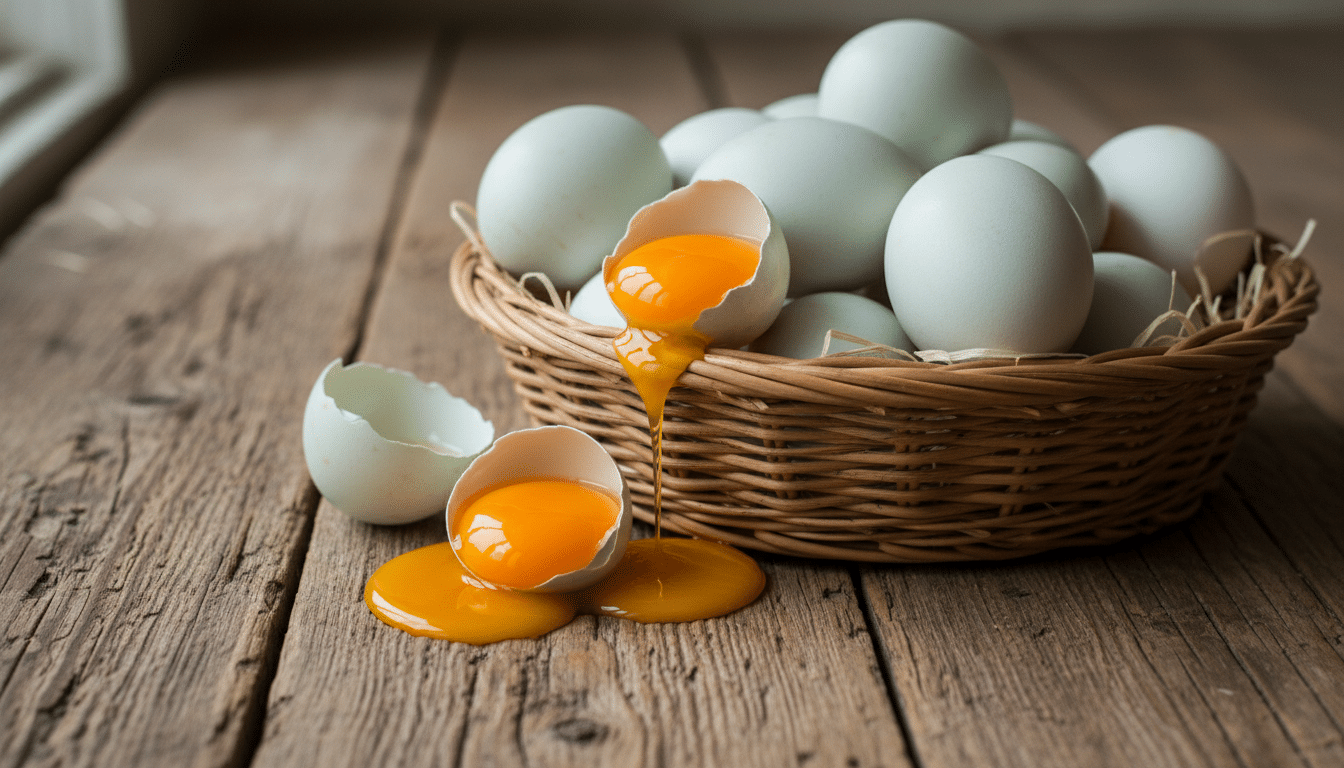
While chicken eggs dominate most grocery store shelves, the humble duck egg offers a world of culinary possibilities that many have yet to explore. Their larger size, thicker shell, and distinct internal composition make them a premium ingredient, especially for those seeking richer flavors and superior textures in their cooking. When considering duck egg recipes, it’s important to understand what sets them apart and why they might be the secret ingredient you’ve been searching for. From their nutritional density to their unique gastronomic impact, duck eggs provide a compelling reason to step outside your comfort zone and experiment with these remarkable eggs. Many chefs and home cooks are increasingly turning to duck egg recipes for their unparalleled quality, exploring a vast array of delicious duck egg recipes. These specialized duck egg recipes truly stand out.

A close-up shot of a perfectly poached duck egg on a piece of sourdough toast with avocado and a spr…
Nutritional Powerhouse
Duck eggs are not just bigger; they are nutritionally denser than chicken eggs. They typically contain more protein, healthy fats, and cholesterol, which contributes to their rich flavor and creamy texture. They are also a fantastic source of essential vitamins and minerals, including a higher concentration of Vitamin B12, Vitamin D, Vitamin A, and iron. This makes duck eggs a powerhouse ingredient, especially beneficial for those looking to boost their nutrient intake. Incorporating them into your diet through various duck egg recipes can offer significant health advantages, from improved energy levels to enhanced bone health. Beyond the macronutrients, the micronutrient profile in duck eggs makes them a truly superior choice for health-conscious foodies exploring new duck egg recipes. These nutrient-packed duck egg recipes are a fantastic addition to any diet. For those interested in the robust duck egg benefits, these recipes are a must-try.
Flavor Profile and Texture
The most noticeable difference when preparing duck egg recipes is their flavor and texture. Duck yolks are significantly larger and a deeper orange-yellow color, indicating a higher fat content. This translates to a richer, creamier, and often more savory flavor than chicken eggs. The whites are also firmer and contain less water, which gives them a more substantial texture when cooked. This distinct flavor and texture make duck eggs particularly well-suited for dishes where the egg is a star component, such as custards, quiches, and, of course, a variety of delicious duck egg recipes. Their robust taste can stand up to stronger accompanying flavors, adding depth to any dish. Mastering these duck egg recipes allows you to fully appreciate their unique characteristics.
Essential Preparation & Storage Tips for Duck Eggs
To truly appreciate the unique qualities of duck eggs and ensure the success of your duck egg recipes, proper handling and storage are paramount. While they share similarities with chicken eggs, there are subtle differences that can impact their freshness and performance in your culinary endeavors. Mastering these basics will lay the foundation for consistently excellent results across all your cooking with duck eggs adventures, ensuring your duck egg recipes always turn out perfectly.
Storage Best Practices
Due to their thicker shells and natural protective bloom, duck eggs generally have a longer shelf life than chicken eggs. However, like all eggs, they should be stored in the refrigerator to maintain optimal freshness. Keep them in their carton or an airtight container to prevent them from absorbing odors from other foods. Stored correctly, duck eggs can last for several weeks, sometimes even longer, ensuring you always have a supply ready for your favorite duck egg recipes. Always check the expiration date if purchased from a store, or use within a few weeks if sourced from a local farm. Proper storage is key for the best duck egg recipes.
Cracking and Separating
The thicker shell of a duck egg requires a slightly firmer crack than a chicken egg. Don’t be shy! Once cracked, you’ll immediately notice the large, vibrant yolk and the denser white. Separating duck egg whites from yolks can be a bit easier due to the firmer nature of the white, which holds its shape well. This makes them excellent for recipes requiring precise separation, such as meringues or soufflés. Many duck egg recipes rely on this quality for superior results, making them a joy to work with for specialized duck egg recipes.
Classic Breakfast & Brunch Duck Egg Recipes
Breakfast and brunch are perhaps the most natural starting points for incorporating duck eggs into your cooking. Their richness and substantial size can transform everyday morning meals into gourmet experiences. Exploring various duck egg recipes for the first course of the day is a delightful journey, offering many delicious duck egg recipes to try.

An overhead shot of a vibrant stir-fry noodle dish in an Asian-style bowl, featuring perfectly fried…
Perfect Poached Duck Eggs
Poached eggs are a staple, and with duck eggs, they become an indulgence. The firmer whites hold their shape beautifully, encasing a wonderfully runny, rich yolk. To achieve perfect poached duck egg recipes, bring a pot of water to a gentle simmer with a splash of vinegar. Carefully crack the duck egg into a small ramekin, then gently slide it into the simmering water. Cook for 3-4 minutes for a perfectly runny yolk. Serve over avocado toast, alongside smoked salmon, or atop a bed of wilted spinach. These gourmet eggs are a true testament to the versatility of duck egg recipes and are among the most popular duck egg recipes.
Decadent Duck Egg Scrambles and Omelets
For a truly luxurious start to your day, try scrambling or making an omelet with duck eggs. The higher fat content of the yolk results in a creamier, more flavorful scramble. Beat two or three duck eggs with a splash of milk or cream, season with salt and pepper, and cook gently over low heat, stirring occasionally until just set. For an omelet, cook without stirring until the edges set, then add your favorite fillings like cheese, herbs, mushrooms, or ham. The resulting texture is incredibly soft and rich, making these duck egg recipes a standout. These are essential duck egg recipes for any breakfast lover.
Hearty Duck Egg Frittatas and Quiches
Duck eggs lend themselves exceptionally well to baked egg dishes like frittatas and quiches. Their rich yolks contribute to a custardy, flavorful base that holds up beautifully. For a frittata, whisk a few duck eggs with cheese, vegetables, and cooked meats, then bake until puffed and golden. For quiche, the added richness of duck eggs makes the filling incredibly decadent. These duck egg recipes are perfect for feeding a crowd or for meal prepping, offering a satisfying and nutritious option. You’ll find these duck egg recipes become a family favorite.
Elevating Your Baking with Duck Egg Recipes
Where duck eggs truly shine is in baking. Their higher fat content and lower water content compared to chicken eggs create baked goods that are incredibly moist, tender, and rich. If you’ve struggled with dry cakes or crumbly pastries, switching to duck eggs might be your solution. Many traditional duck egg baking recipes benefit immensely from this substitution, leading to superior results in all your duck egg recipes.
Richer Cakes and Muffins
When used in cakes, muffins, or quick breads, duck eggs contribute to a finer crumb and a more luxurious texture. The extra fat content enhances moisture, preventing dryness and extending freshness. Try substituting duck eggs one-for-one for chicken eggs in your favorite cake or muffin recipe. You’ll notice a remarkable difference in both taste and texture, making your baked goods truly stand out. These duck egg recipes will taste richer and have a more golden hue, transforming ordinary bakes into extraordinary duck egg recipes.

A collection of baking ingredients on a marble countertop: flour, sugar, butter, and a bowl containi…
Creamier Custards and Puddings
For custards, crème brûlée, puddings, and ice cream bases, duck eggs are a game-changer. Their large, rich yolks create an incredibly smooth, velvety texture and a deeper, more pronounced flavor. The emulsifying properties of duck yolks are superior, leading to perfectly stable and luscious results. If you’re looking to achieve professional-level creaminess in your desserts, prioritize duck eggs. These are some of the most rewarding duck egg recipes to master, resulting in truly decadent duck egg recipes. The richer yolks of duck eggs are key to this unparalleled creaminess.
Innovative Lunch & Dinner Duck Egg Recipes
Beyond breakfast and baking, duck eggs can be the star of savory lunch and dinner dishes, adding depth and richness that chicken eggs simply can’t match. These more adventurous duck egg recipes showcase their versatility and open up a world of culinary exploration for your duck egg recipes.
Duck Egg Carbonara: A Luxurious Twist
Traditional Carbonara relies heavily on egg yolks for its creamy sauce. Substituting chicken eggs with duck eggs elevates this classic Italian dish to new heights of indulgence. The larger, richer duck yolks create an even silkier, more unctuous sauce that coats the pasta beautifully. Simply prepare your carbonara as usual, but use two duck egg yolks (and perhaps one whole duck egg) for every four chicken egg yolks called for. This is one of the most sophisticated duck egg recipes you can try, a true highlight among duck egg recipes.
Asian-Inspired Duck Egg Noodles
In many Asian cuisines, duck eggs are prized for their richness and are often used in noodle dishes, fried rice, and stir-fries. Their robust flavor holds up well against strong spices and sauces. Consider making a stir-fry with fresh noodles, vegetables, and a protein, then finish by cracking a duck egg directly into the hot pan to fry alongside the ingredients, or whisk it in to coat the noodles. The result is a deeply satisfying and flavorful meal, making for excellent duck egg recipes with an international flair. Explore these unique duck egg recipes for a taste of global cuisine.
Savory Duck Egg Tarts and Galettes
Move beyond sweet tarts and explore the world of savory duck egg recipes. A duck egg tart with caramelized onions, goat cheese, and fresh herbs makes for an exquisite appetizer or light lunch. Similarly, a rustic galette filled with seasonal vegetables and topped with a whole duck egg baked until the yolk is just set is both visually stunning and incredibly delicious. The rich yolk provides a creamy counterpoint to the crisp pastry and savory fillings. These are truly impressive duck egg recipes for entertaining, demonstrating the versatility of duck egg recipes.
Tips for Mastering Duck Egg Cookery
While duck eggs are generally forgiving, a few pointers can help you achieve perfection in all your duck egg recipes. Understanding their unique characteristics is key to unlocking their full potential and perfecting your duck egg recipes.
Adjusting Cooking Times
Due to their larger size and denser whites, duck eggs may require slightly longer cooking times than chicken eggs, especially for hard-boiled or fried preparations. For hard-boiled duck eggs, aim for 12-14 minutes for a firm yolk. When frying, allow an extra minute or two for the whites to fully set without overcooking the yolk. Always adjust based on your desired doneness and the specific duck egg recipes you are following. Experimentation is key to mastering these duck egg recipes.
Balancing Flavors
The distinct, rich flavor of duck eggs can be a dominant force in a dish. When creating or adapting duck egg recipes, consider pairing them with ingredients that can either complement their richness or provide a refreshing contrast. Herbs like chives, parsley, and tarragon work beautifully, as do tangy elements like goat cheese, lemon zest, or a splash of vinegar. Earthy mushrooms, pungent garlic, and savory bacon also make excellent companions, ensuring a harmonious flavor profile. Duck egg dishes truly benefit from thoughtful flavor pairings, enhancing the overall experience of your duck egg recipes.
Common Mistakes to Avoid When Making Duck Egg Recipes
Even experienced cooks can sometimes make errors when venturing into new ingredients. Being aware of common pitfalls can save you time and ensure your duck egg recipes turn out perfectly every time. Mastering these details will significantly improve your success with duck egg recipes.
Overcooking the Yolk
Given the larger and richer yolk, it’s particularly disappointing to overcook it. An overcooked duck egg yolk becomes chalky and loses its creamy appeal. For poached or fried eggs, pay close attention to cooking times and remove them from the heat just as the whites are set but the yolk is still wonderfully runny. This ensures the best texture and flavor in your duck egg recipes. Learning to perfectly cook the yolk is crucial for delicious duck egg recipes. Overcooking can also diminish the appeal of duck eggs as egg alternatives.
Ignoring Shell Thickness
The thicker shell of a duck egg can be both a blessing and a curse. While it offers better protection, it can also make cracking more challenging. Don’t be afraid to give it a firm tap on a flat surface. Attempting a gentle crack like you might with a chicken egg can sometimes lead to a messy break. Proper cracking technique is a small detail that can significantly improve your experience with duck egg recipes. This tip is essential for preparing any duck egg recipes.

A beautifully baked golden-brown cake slice, showcasing a moist, rich crumb, with a whole duck egg a…
Comparison Analysis
| Feature | Duck Eggs | Chicken Eggs |
|---|---|---|
| Size | Larger | Standard |
| Yolk | Richer, Larger, Deeper Orange | Smaller, Lighter Yellow |
| Shell | Thicker | Thinner |
| Flavor | More Robust, Creamy | Milder |
| Baking | Superior Moisture & Richness | Good, but less rich |
| Protein | Higher | Standard |
+Pros
- Richer, more robust flavor compared to chicken eggs.
- Larger yolks, leading to creamier textures in sauces and custards.
- Higher fat and protein content, making them nutritionally denser.
- Excellent for baking, producing moister cakes and richer desserts.
- Thicker shells provide longer shelf life and better protection.
- Versatile in savory and sweet duck egg recipes.
–Cons
- –Less widely available than chicken eggs, can be harder to find.
- –Typically more expensive per egg.
- –Stronger flavor might be too intense for some palates in certain dishes.
- –Thicker shell can be slightly more challenging to crack initially.
- –Higher cholesterol content (though dietary cholesterol impact is debated).
Key Takeaways
- Duck eggs offer a richer flavor, larger yolk, and superior nutritional profile compared to chicken eggs.
- Their higher fat and protein content makes them ideal for baking, resulting in moister, richer goods.
- Versatile in cooking, duck eggs can be used in savory dishes like quiches and frittatas, or sweet treats like custards and cakes.
- Proper storage and handling are crucial for maximizing freshness and flavor in *duck egg recipes*.
- Experimenting with different duck egg recipes can unlock unique culinary experiences and expand your cooking repertoire.
Frequently Asked Questions
What makes duck eggs different from chicken eggs in recipes?
Duck eggs are larger, have a richer, creamier yolk with higher fat and protein content, and firmer whites. These qualities contribute to superior moisture in baked goods and a more robust flavor in savory duck egg recipes.
Can I substitute duck eggs for chicken eggs in any recipe?
Yes, generally you can substitute duck eggs for chicken eggs at a 1:1 ratio in most duck egg recipes, especially in baking. However, due to their larger size, you might need slightly fewer duck eggs if the recipe calls for a large number of chicken eggs, or adjust liquid content slightly.
Are duck eggs healthier than chicken eggs?
Duck eggs are nutritionally denser, offering higher amounts of protein, healthy fats, and vitamins like B12, D, and A, as well as more iron. While they also have higher cholesterol, for most people, the nutritional benefits make them a healthy choice.
How should I store duck eggs to keep them fresh?
Duck eggs should be stored in the refrigerator, ideally in their carton or an airtight container, to maintain freshness and prevent odor absorption. They typically last several weeks when stored correctly.
Why are my baked goods better with duck eggs?
Duck eggs have a higher fat content and lower water content than chicken eggs. This results in baked goods that are significantly moister, richer, and have a finer crumb, making them ideal for many duck egg recipes.
What are some popular savory duck egg recipes?
Popular savory duck egg recipes include quiches, frittatas, carbonara, fried rice, and savory tarts. Their rich flavor and creamy yolks enhance these dishes beautifully.
Do duck eggs taste ‘gamey’?
While duck eggs have a richer, more pronounced flavor than chicken eggs, they are not typically described as ‘gamey’. Their taste is often described as creamy, slightly earthy, and more savory. The flavor can vary slightly depending on the duck’s diet.
Can I make meringues with duck egg whites?
Absolutely! Duck egg whites are denser and have less water, which makes them excellent for meringues, soufflés, and other preparations requiring stiff peaks. They often create a more stable and voluminous meringue.
Where can I buy duck eggs for my duck egg recipes?
Duck eggs can often be found at farmers’ markets, specialty grocery stores, Asian markets, or directly from local duck farms. Availability may vary by region.
What are some common mistakes to avoid when cooking with duck eggs?
Common mistakes include overcooking the yolk (which can become chalky), being too gentle when cracking their thicker shells, and not adjusting cooking times slightly due to their larger size. Pay attention to these details for successful duck egg recipes.
Conclusion
The world of culinary delights expands significantly when you embrace the unique qualities of duck eggs. From their exceptional nutritional profile to their unparalleled ability to enhance both savory and sweet dishes, duck eggs offer a richness and versatility that chicken eggs simply cannot match. We’ve explored a wide array of delicious duck egg recipes, from the perfect poached breakfast egg and decadent baked goods to innovative dinner options like luxurious carbonara and savory tarts. By understanding their distinct characteristics and following the tips for preparation and cooking, you can unlock a new level of flavor and texture in your kitchen. Don’t let their less common presence deter you; the journey of discovering new duck egg recipes is incredibly rewarding. So, the next time you’re at the farmer’s market or a specialty store, grab a carton of these magnificent eggs. Experiment with the duck egg recipes shared here, or let them inspire your own creations. Elevate your everyday meals and impress your guests with the rich, creamy goodness that only duck eggs can provide. Your culinary adventures are about to get a whole lot richer – start exploring duck egg recipes today!