The Enduring Appeal of Lime Pickle
Lime pickle, or “nimbu ka achar” as it’s known in India, holds a special place in the hearts of food enthusiasts worldwide. Its unique blend of sour, salty, and spicy notes makes it an indispensable accompaniment to countless meals. From simple dal and rice to elaborate biryanis, a spoonful of this zesty condiment elevates the entire dining experience. But what makes a lime pickle recipe so captivating? It’s the alchemy of simple ingredients transforming into something profoundly complex and satisfying over time. The pickling process, often involving sun-drying and fermentation, allows the flavors to meld and deepen, creating a truly unforgettable taste.

A sterilized, clear glass jar filled with bright yellow lime wedges coated in coarse white salt, wit…
Historically, pickling was a method of preserving food, especially fruits and vegetables, for consumption during off-seasons. The lime pickle recipe evolved from this necessity, turning abundant citrus into a long-lasting, flavorful staple. Today, while refrigeration makes preservation less critical, the love for lime pickle endures, driven by its incredible flavor profile and versatility.
A Journey Through the History of Lime Pickle
The tradition of pickling in India dates back thousands of years. The earliest mentions of pickling can be found in ancient texts, where various fruits and vegetables were preserved using salt, oil, and spices. Limes, being native to regions of India and Southeast Asia, quickly became a popular choice for pickling due to their robust flavor and high acidity, which aids in preservation. Each region in India boasts its own unique lime pickle recipe, often reflecting local spice preferences and culinary traditions. Some versions are sweet, incorporating jaggery or sugar, while others are fiery hot, packed with chili powder. The common thread, however, is the humble lime, transformed into a culinary marvel through a specific lime pickle recipe.
Essential Ingredients for Your Lime Pickle Recipe
Crafting the perfect homemade lime pickle recipe starts with selecting the right ingredients. Quality matters significantly here, as the flavors will concentrate and develop over weeks or months. Don’t skimp on freshness or authenticity.
Choosing the Perfect Limes
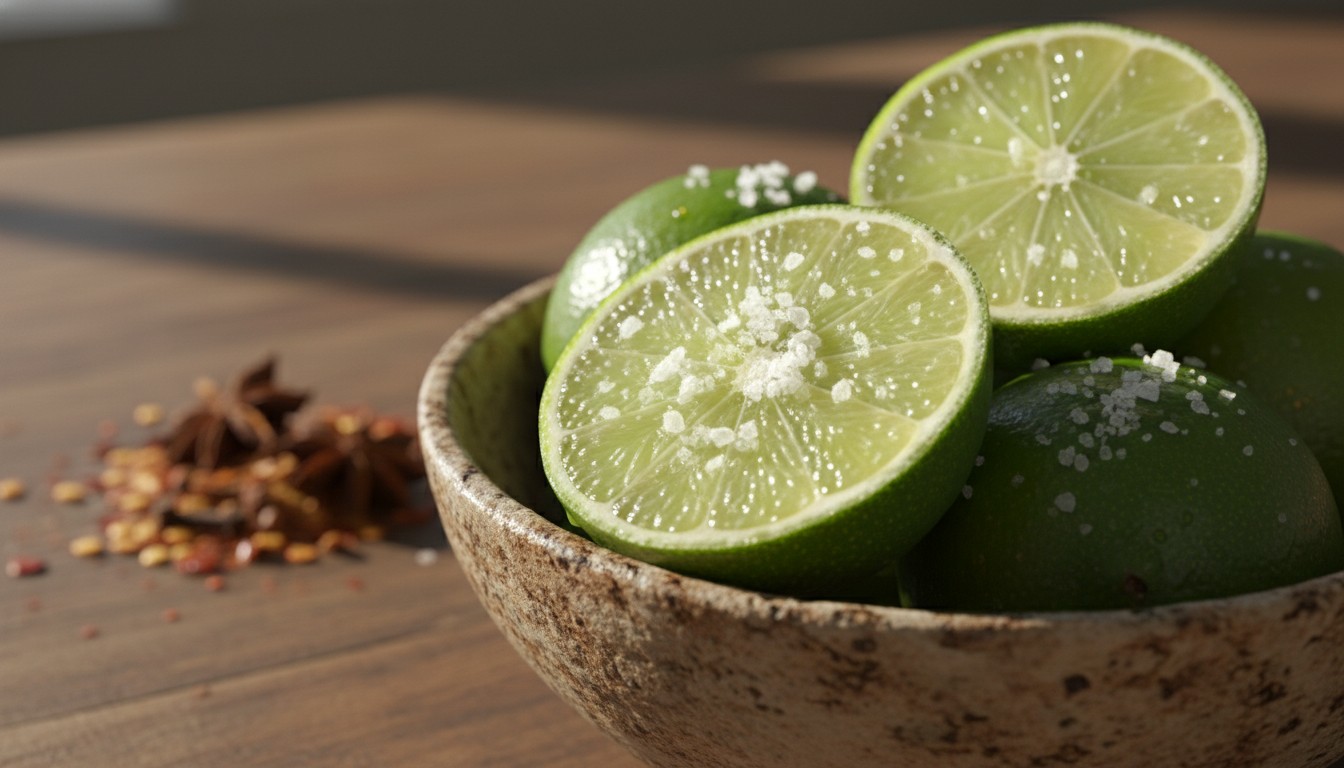
The star of our show is, of course, the lime. For an authentic lime pickle recipe, opt for small to medium-sized, firm, and unblemished limes with thin skins. Kaffir limes are not typically used for this type of pickle; regular Persian or Key limes are preferred. Organic limes are ideal to avoid pesticides, especially since you’ll be using the entire fruit. Wash them thoroughly and dry them completely before starting your lime pickle recipe. Any moisture can lead to spoilage.
The Spice Symphony: What You’ll Need
The magic in any lime pickle recipe lies in its spice blend. This is where you can truly customize your pickle to your liking. A classic lime pickle recipe typically includes:
- Salt: Coarse sea salt or pickling salt is crucial for drawing out moisture and acting as a preservative. It’s the foundation of any good lime pickle recipe.
- Turmeric Powder: Adds a beautiful golden color and earthy notes, plus it has preservative qualities.
- Red Chili Powder (or Cayenne Pepper): For heat and color. Adjust according to your spice preference. Kashmiri chili powder offers vibrant color with moderate heat.
- Fenugreek Seeds (Methi Dana): Imparts a slightly bitter, nutty aroma. Often lightly roasted and ground.
- Mustard Seeds (Rai): Yellow or black mustard seeds, either whole or split and ground, provide pungency and a characteristic tangy flavor.
- Asafoetida (Hing): A pungent spice that adds a savory, onion-like depth. Use sparingly.
- Cumin Seeds: Earthy and warm, often roasted and ground.
- Nigella Seeds (Kalonji): Adds a distinct oniony, slightly bitter flavor and beautiful black flecks.
- Oil: Mustard oil is traditionally used for its pungent flavor and preservative properties, but you can use sesame oil (gingelly oil) or even a neutral vegetable oil if mustard oil is unavailable or too strong for your palate. The oil helps seal the pickle and prevents mold.
Step-by-Step Guide to a Classic Lime Pickle Recipe
Ready to dive into making your own delicious lime pickle? Follow this detailed lime pickle recipe carefully for the best results.

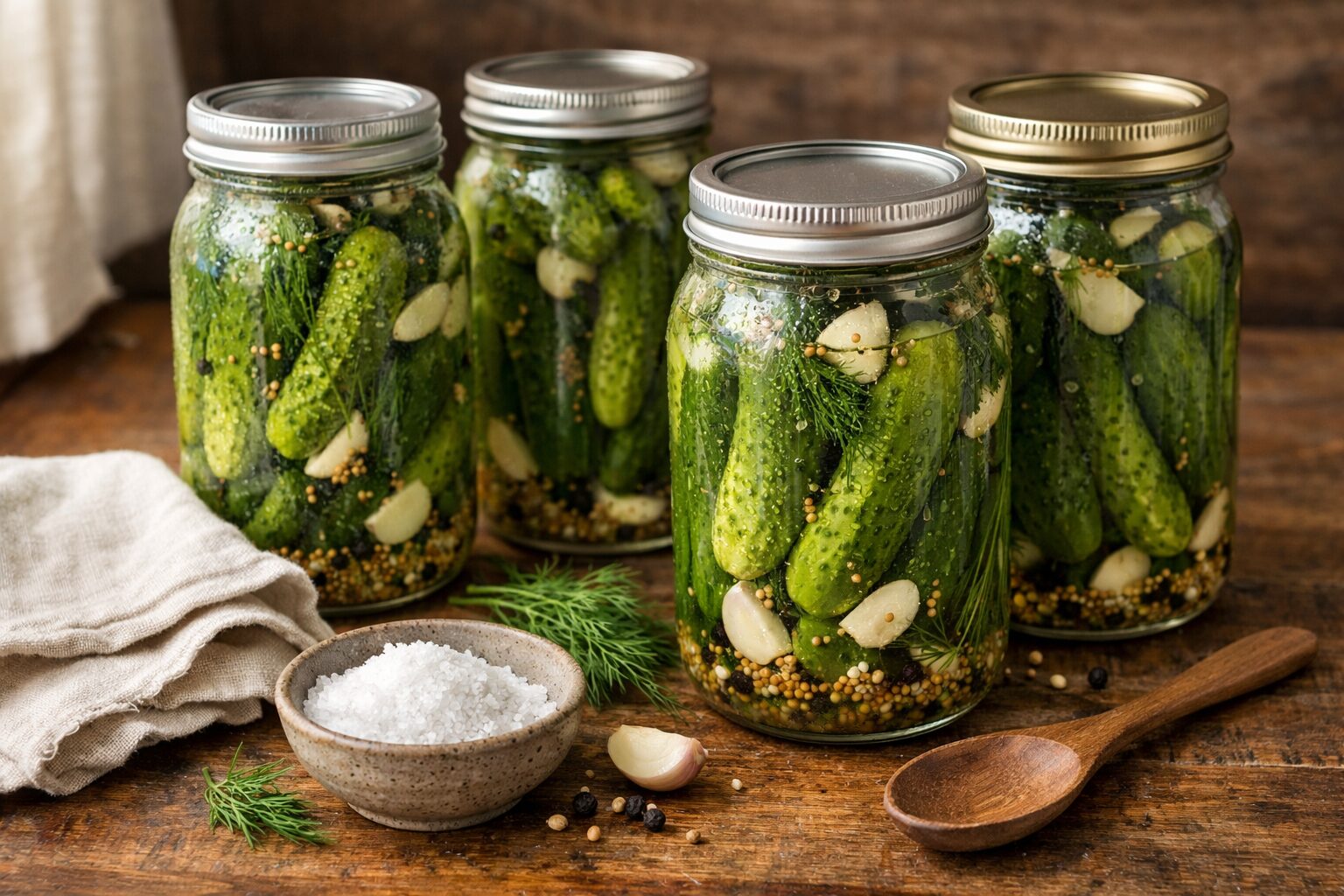
A large, clear glass jar, tightly sealed, filled with vibrant lime pickle, showing the tender lime p…
Step 1: Preparing the Limes
1. Wash and Dry: Thoroughly wash 1 kg (about 2.2 lbs) of fresh limes under running water. It’s paramount that they are completely dry before you proceed. Pat them dry with a clean kitchen towel and, if possible, let them air dry for a few hours or even overnight to ensure no moisture remains. This is a critical step for a successful lime pickle recipe.
2. Cut the Limes: Cut each lime into 8 wedges. You can remove the seeds if you prefer, as they can sometimes impart a slight bitterness, though many traditional lime pickle recipes leave them in. Place the cut lime pieces in a large, clean, and dry non-reactive bowl.
Step 2: Salting and Curing
1. Salt the Limes: Add 1/4 cup (about 60g) of coarse sea salt to the cut limes. Mix well, ensuring every piece is coated. The salt will begin to draw out the moisture from the limes, softening them and kickstarting the pickling process.
2. Initial Curing: Transfer the salted limes to a large, sterilized glass jar. Cover the jar with a clean cloth or a loose lid (not airtight initially, to allow some air circulation if sun-curing). Place the jar in a sunny spot for 5-7 days. Shake the jar once or twice daily to redistribute the limes and ensure even curing. The limes will soften, and a brine will form at the bottom. This initial curing is vital for the texture and flavor development in your lime pickle recipe.
Step 3: Preparing the Spice Blend
While the limes are curing, prepare your spice blend. This can be done on the day you mix everything together.

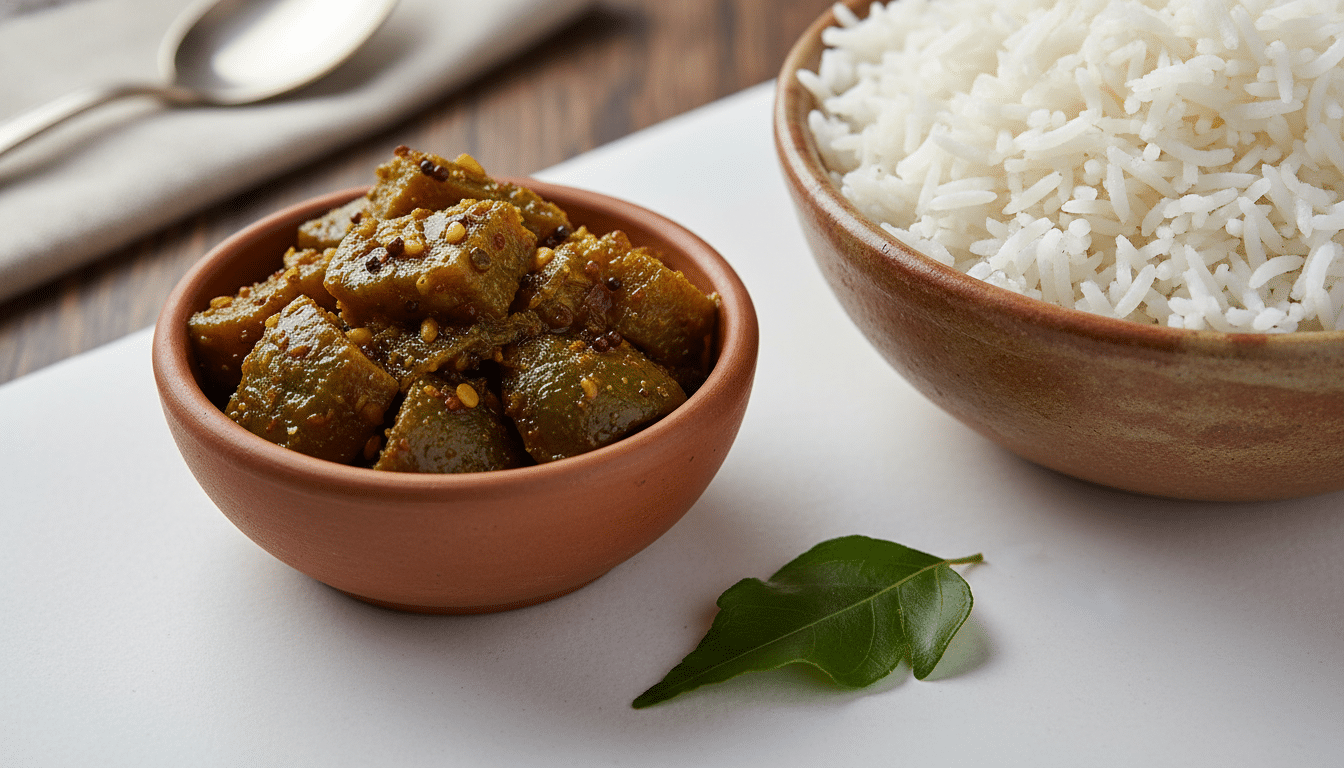
A close-up shot of a small serving of lime pickle in a traditional ceramic bowl, placed next to a bo…
1. Roast Spices (Optional but Recommended): In a dry pan over low heat, lightly roast 2 tablespoons of fenugreek seeds, 2 tablespoons of mustard seeds, and 1 tablespoon of cumin seeds until fragrant. Be careful not to burn them. Allow to cool.
2. Grind Spices: Once cooled, grind the roasted fenugreek, mustard, and cumin seeds into a coarse powder using a spice grinder or mortar and pestle. This freshly ground spice blend will make your lime pickle recipe truly shine.
3. Combine Dry Spices: In a separate bowl, combine the ground spices with 3 tablespoons of red chili powder, 1 tablespoon of turmeric powder, 1 teaspoon of asafoetida, and 1 tablespoon of nigella seeds. You now have a fragrant spice mix ready for your lime pickle recipe.
Step 4: Assembling the Lime Pickle
After 5-7 days of sun-curing, your limes should be noticeably softer and submerged in their own brine.
1. Heat the Oil: In a small pan, heat 1 cup of mustard oil (or your preferred oil) until it’s very hot and just begins to smoke (if using mustard oil, this removes its raw pungency). Then, turn off the heat and let it cool completely to room temperature. This step is crucial for the safety and flavor of your lime pickle recipe.
2. Combine Limes and Spices: Open your jar of cured limes. Add the prepared spice blend to the jar. Using a clean, dry spoon, mix everything thoroughly, ensuring the limes are well coated with the spices. The aroma will be incredible!
3. Add Cooled Oil: Pour the cooled oil over the spiced limes in the jar. Stir gently to incorporate the oil. The oil layer on top helps in preservation and prevents air exposure.
4. Final Curing: Seal the jar tightly with a lid. Place the jar back in a sunny spot for another 2-3 weeks, shaking it daily. The sun’s heat helps the flavors meld and the limes continue to soften. This extended curing period is what gives a traditional lime pickle recipe its depth.
Your lime pickle recipe is almost complete! After this final curing, the pickle will be ready to eat. The limes should be tender, and the flavors well-developed. Store the finished pickle in a cool, dark place. With proper care, it can last for many months, even years.
Variations and Customizations for Your Lime Pickle Recipe
The beauty of a homemade lime pickle recipe is the freedom to experiment. Here are a few popular variations:
Sweet and Tangy Lime Pickle
To make a sweeter version, often preferred in some parts of India, add 1/2 to 1 cup of jaggery (Indian unrefined cane sugar) or brown sugar along with the spices. The jaggery will slowly melt and create a thick, sweet syrup that balances the sourness of the limes and the heat of the chilies. This sweet lime pickle recipe is particularly delightful.
Quick Lime Pickle Recipe (Instant Version)
If you’re short on time and can’t wait weeks for sun-curing, you can make a quicker version. Boil the cut limes in a little water until they are tender (about 10-15 minutes). Drain completely and let them cool. Then proceed with salting, adding spices, and oil. This significantly reduces the curing time, allowing you to enjoy your tangy flavor lime pickle sooner, though the depth of flavor might not be as profound as the sun-cured method.
Spicy South Indian Style Lime Pickle
For a fiery kick, increase the amount of red chili powder and consider adding a tablespoon of finely chopped green chilies along with the limes. Some South Indian lime pickle recipes also include a tempering of mustard seeds and curry leaves in hot oil before pouring it over the pickle. This variation truly emphasizes the ‘spicy’ in spicy lime pickle.
Tips for a Perfect Lime Pickle Recipe Every Time
Achieving perfection with your lime pickle recipe comes down to a few key details.
- Sterilization is Key: Always use thoroughly cleaned and sterilized glass jars and lids. Any contamination can lead to mold or spoilage. You can sterilize jars by washing them in hot soapy water, rinsing, and then either boiling them for 10 minutes or baking them in an oven at 275°F (135°C) for 15 minutes.
- No Moisture: Ensure limes, cutting boards, knives, spoons, and jars are completely dry. Moisture is the enemy of pickle preservation.
- Use Good Quality Salt: Pickling salt or coarse sea salt without anti-caking agents is best. Iodized table salt can sometimes make pickles cloudy.
- Sunlight is Your Friend: The sun’s heat plays a crucial role in softening the limes and developing the flavors. If you live in a place with limited sun, place the jar in a warm spot indoors, but understand the process might take longer.
- Shake Daily: Regular shaking ensures all lime pieces are evenly coated with salt, spices, and oil, preventing spoilage and promoting uniform flavor development in your lime pickle recipe.
- Oil Layer: A good layer of oil on top acts as a barrier, preventing air from reaching the pickle and inhibiting mold growth. Ensure the limes are submerged under the oil as much as possible.
- Patience: The best lime pickle recipe requires patience. The flavors truly deepen and mature over weeks. Don’t rush the process.
Storing and Serving Your Homemade Lime Pickle
Once your lime pickle recipe has fully cured and reached its peak flavor, proper storage is essential to maintain its quality and extend its shelf life. Store the pickle in a cool, dark pantry. Avoid direct sunlight once it’s ready, as prolonged exposure can degrade the flavors and color. Always use a clean, dry spoon to take out the pickle to prevent contamination. If stored correctly, a homemade lime pickle can last for over a year, with its flavors often improving with age.
Lime pickle is incredibly versatile. Here are some serving suggestions:
- With Indian Meals: The classic pairing is with rice, dal, curries, or flatbreads like roti and paratha.
- Sandwiches and Wraps: A small dollop can add a vibrant, spicy kick to your sandwiches or wraps.
- Grilled Meats and Fish: The zesty, spicy notes complement grilled proteins beautifully.
- Salad Dressing: Mix a tiny bit with olive oil and vinegar for a unique, tangy salad dressing.
- Marinades: Incorporate into marinades for chicken, fish, or paneer for an incredible flavor boost.
The Health Benefits of Fermented Limes
Beyond its exquisite taste, the traditional lime pickle recipe, especially one that involves fermentation, offers some surprising health benefits. Limes themselves are packed with Vitamin C, antioxidants, and dietary fiber. The fermentation process, similar to that in other fermented foods, introduces beneficial probiotics, which can aid in digestion and boost gut health. While the high salt and oil content mean it should be consumed in moderation, enjoying a small serving of this flavorful condiment can contribute to a balanced diet and introduce diverse beneficial bacteria to your gut. This aspect of a traditional pickling process adds another layer of appreciation for this ancient food.
Common Mistakes to Avoid When Making Lime Pickle
Even with a foolproof lime pickle recipe, certain pitfalls can lead to a less-than-perfect outcome. Being aware of these can save you a lot of frustration.
1. Insufficient Drying of Limes
As mentioned, moisture is the arch-nemesis of pickles. If the limes are not completely dry, even a tiny bit of water can introduce bacteria that cause mold and spoilage. Always ensure your limes are bone-dry before cutting and salting them for your lime pickle recipe.
2. Not Enough Salt
Salt is not just for flavor; it’s a primary preservative. Using too little salt can lead to inadequate moisture extraction and an environment where harmful bacteria can thrive. Stick to the recommended salt quantities in your lime pickle recipe.
3. Skipping Sterilization
Contaminated jars or utensils can introduce unwanted microorganisms, leading to mold or off-flavors. Sterilizing all equipment that comes into contact with the pickle is non-negotiable for a long-lasting, safe homemade pickle.
4. Impatience with Curing
The magic of lime pickle happens over time. Rushing the curing process means you’ll miss out on the deep, complex flavors and the tender texture that proper aging provides. Give your lime pickle recipe the time it needs to mature.
5. Inconsistent Shaking
If the jar isn’t shaken regularly during the curing phase, some limes might not be adequately coated in the brine and spices, leading to uneven flavor distribution or even spoilage in certain spots.
6. Using Expired or Low-Quality Spices
Spices lose their potency over time. Using fresh, aromatic spices will make a significant difference in the final taste of your lime pickle recipe. Invest in good quality, fresh spices for the best results.
Customizing Your Lime Pickle Recipe to Your Taste
While a classic lime pickle recipe is fantastic, don’t be afraid to make it your own. Here’s how you can play with flavors:
- Heat Level: Adjust the red chili powder. For more nuanced heat, add a pinch of black pepper or a few dried red chilies to the oil when heating.
- Garlic and Ginger: For an extra layer of flavor, some lime pickle recipes include finely minced garlic and ginger. Add them along with the dry spices.
- Sweetness: As discussed, jaggery or sugar can transform the pickle. Experiment with different amounts to find your preferred balance.
- Spice Blend: While the traditional spices are excellent, you can introduce a touch of ground coriander for earthiness, or a tiny bit of carom seeds (ajwain) for a unique aroma. Just be mindful not to overpower the delicate lime flavor. The world of Indian pickle is vast, and your lime pickle recipe can reflect that diversity.
- Oil Type: While mustard oil is traditional for its pungent notes and preservative qualities, you can use sesame oil for a milder, nutty flavor, or even a neutral oil like sunflower if you prefer the lime and spice flavors to be paramount. This choice significantly impacts the final taste of your lime pickle recipe.
Remember, the best lime pickle recipe is the one you enjoy the most. Don’t be afraid to tweak and experiment once you have a good understanding of the basic process. Each batch can be a new adventure, leading to your signature citrus condiment that perfectly complements your meals.

An array of colorful, whole and ground Indian spices arranged artfully on a dark stone surface: brig…
Comparison Analysis
| Feature | Traditional Lime Pickle | Quick Lime Pickle |
|---|---|---|
| Preparation Time | 3-4 weeks (curing) | 1-2 days |
| Flavor Profile | Deep, complex, mature | Brighter, fresher, less developed |
| Lime Softness | Very tender | Moderately tender |
| Preservation | Long-lasting (1+ year) | Shorter (few months) |
+Pros
- Incredibly flavorful and aromatic, elevating any meal.
- Long shelf life when properly prepared and stored, often improving with age.
- Rich in Vitamin C and potentially beneficial probiotics from fermentation.
- Highly customizable to suit individual taste preferences (sweet, spicy, tangy).
- A rewarding culinary project that connects you to traditional food preservation methods.
- Free from artificial preservatives and additives found in store-bought versions.
–Cons
- –Requires significant time and patience for the curing process (several weeks).
- –High sodium content, necessitating moderation in consumption.
- –Requires careful attention to hygiene and sterilization to prevent spoilage.
- –Initial strong aroma during the curing phase may be intense for some.
- –Finding specific authentic spices can sometimes be challenging depending on location.
Key Takeaways
- Mastering a homemade lime pickle recipe requires understanding the balance of salt, spices, and acidity for optimal flavor and preservation.
- Selecting fresh, firm, and thin-skinned limes is crucial for the best texture and taste in your lime pickle recipe.
- Proper sterilization of jars and adequate curing time are essential steps for the longevity and development of complex flavors in your lime pickle.
- Customizing your lime pickle recipe with different spice blends allows for endless variations, from sweet and tangy to intensely spicy.
- Lime pickle is not just a condiment; it’s a versatile flavor enhancer that pairs wonderfully with a wide range of dishes, from rice to grilled meats.
Frequently Asked Questions
How do I prevent mold in my homemade lime pickle recipe?
To prevent mold, ensure all limes, jars, and utensils are completely dry and sterilized. Use adequate salt as a preservative and maintain a layer of oil on top of the pickle to create an airtight seal. Store in a cool, dark place and always use a clean, dry spoon.
Can I make a lime pickle recipe without direct sunlight?
While traditional lime pickle recipes often rely on sun-curing for flavor development and softening, you can still make it without direct sunlight. Place the jar in a warm spot indoors, like near a window, and extend the curing time. The results might be slightly different but still delicious.
How long does homemade lime pickle last?
A well-made lime pickle recipe, stored in a sterilized jar in a cool, dark place, can last for over a year, and often improves with age. Once opened, it’s still very shelf-stable, but always use a clean spoon to avoid contamination.
What kind of oil is best for a lime pickle recipe?
Mustard oil is traditional for its pungent flavor and excellent preservative qualities. However, you can use sesame oil (gingelly oil) for a milder taste or even a neutral vegetable oil like sunflower or canola oil if you prefer. The choice of oil will subtly alter the final flavor of your lime pickle recipe.
Should I remove the seeds from the limes?
Yes, you can remove the seeds from the limes before cutting them. While many traditional lime pickle recipes leave them in, some people find that lime seeds can impart a slight bitterness. Removing them is a matter of personal preference.
Why does a lime pickle recipe take so long to make?
The limes need to soften and the flavors need time to meld and deepen. This process, especially with sun-curing, can take several weeks. Rushing it will result in a pickle that lacks the characteristic tender texture and complex taste of a properly made lime pickle recipe.
My lime pickle recipe tastes too salty. What can I do?
If your lime pickle tastes too salty, it might be due to an excess of salt or insufficient lime juice being drawn out. You can try adding a small amount of sugar or jaggery to balance the saltiness, or incorporate a few more fresh lime pieces (without adding more salt) and let it cure for a bit longer.
Can I adjust the spice level in my lime pickle recipe?
Yes, you can adjust the spice level by increasing or decreasing the amount of red chili powder. For more heat, you can also add finely chopped green chilies. For a milder version, reduce the chili powder and focus on aromatic spices.
How do I know when my lime pickle recipe is ready to eat?
A lime pickle is ready when the lime pieces are tender, and the oil and spices have thoroughly coated them, creating a uniform, fragrant mixture. The color will also deepen, and the initial sharp saltiness will have mellowed into a balanced, complex flavor. This typically takes 3-4 weeks for a sun-cured lime pickle recipe.
Do I need to cook the limes before making the pickle?
While some lime pickle recipes call for boiling or steaming the limes to soften them quickly, traditional methods often rely on salt and sun-curing. This slow process allows for a deeper flavor development and a softer texture without cooking the limes.
Conclusion
Embarking on the journey of making your own lime pickle recipe is more than just cooking; it’s an exploration of flavors, a connection to ancient traditions, and an act of patience that yields incredibly rewarding results. From the initial careful selection of fresh limes to the final aromatic blend of spices and the gentle sun-curing, each step contributes to creating a condiment that is truly unparalleled. This comprehensive guide has provided you with a robust lime pickle recipe, along with invaluable tips and tricks to ensure your success. The satisfaction of tasting your own homemade, perfectly cured lime pickle, with its complex layers of tangy, spicy, and savory notes, is immense. It transforms simple meals, sparks conversation, and becomes a testament to your culinary prowess. Don’t let the waiting period deter you; the depth of flavor achieved is well worth every moment. So, gather your ingredients, sterilize your jars, and prepare to infuse your kitchen with the irresistible aromas of a truly authentic lime pickle recipe. Your taste buds, and your family and friends, will thank you! Start your batch today and savor the delicious journey.