Understanding the Claussen Pickle Philosophy
Before diving into the specifics of a claussen pickle recipe, it’s essential to understand what makes Claussen pickles unique. The biggest differentiator is their preparation method: they are never heat-processed or canned. Instead, they are refrigerated from day one. This cold-packed approach is the secret to their famous crunch, as heat can soften cucumbers significantly. Our goal with a homemade claussen pickle recipe is to mimic this cold-brining process, focusing on fresh ingredients and proper refrigeration to achieve that desired snap.

A clean, clear glass canning jar filled with neatly packed green cucumber spears, alongside fresh ga…
The Science Behind the Crunch
Cucumbers are primarily water, and their cell walls contain enzymes that can break down pectin, leading to a soft pickle. Heat processing accelerates this breakdown. By keeping the cucumbers cold throughout the pickling process, these enzymes are largely inhibited, preserving the cucumber’s cellular structure and, consequently, its crispness. Furthermore, the acidity of the brine also plays a role in firming up the pectin. A successful claussen pickle recipe leverages these scientific principles to deliver superior texture.
Essential Ingredients for Your Claussen Pickle Recipe
Crafting the perfect claussen pickle recipe starts with sourcing the right ingredients. Quality matters immensely here, as each component contributes to the final flavor and texture.
1. Cucumbers: The Foundation of Your Claussen Pickle Recipe
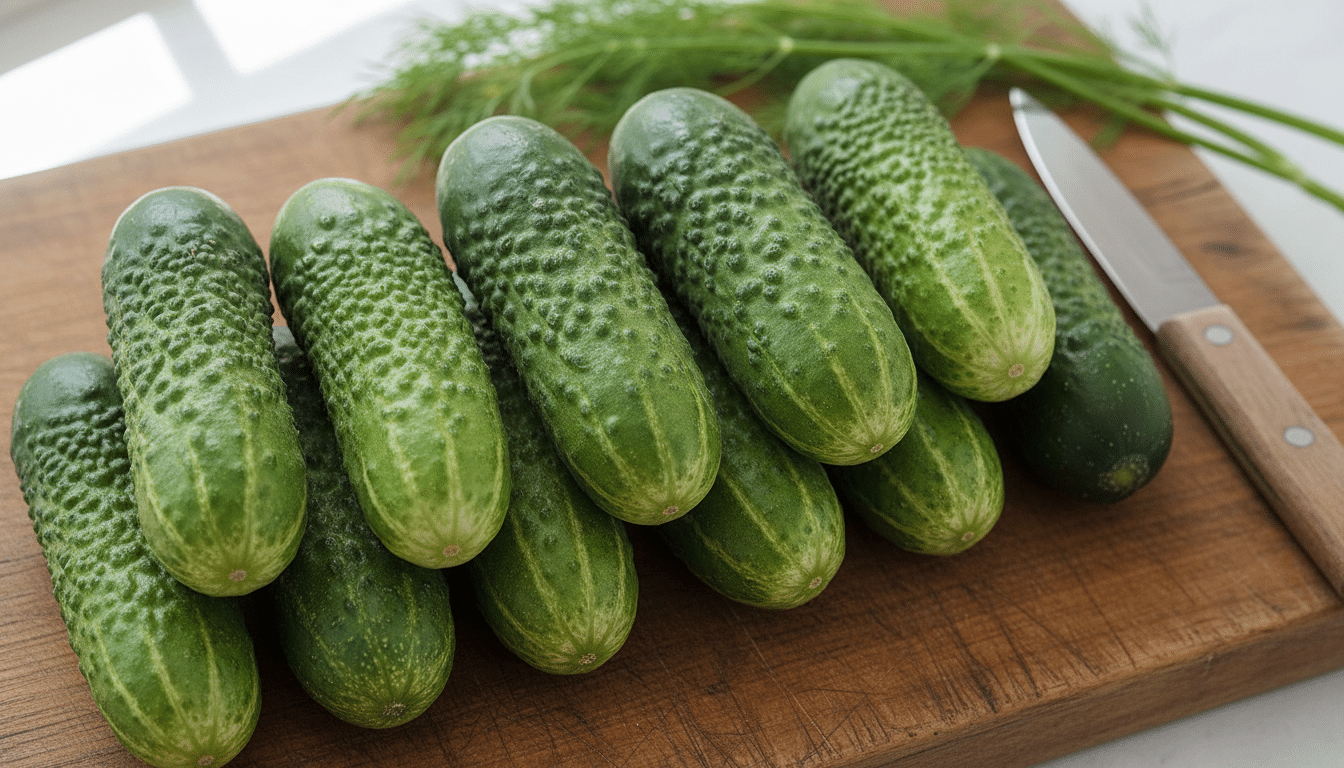
- Type: Always opt for pickling cucumbers, such as Kirby or Boston pickling varieties. These are typically smaller, firmer, and have thinner skins, making them ideal for absorbing brine and maintaining crunch. Avoid larger slicing cucumbers, which have more water content and thicker skins, leading to a softer pickle.
- Freshness: The fresher, the better! Pick cucumbers that are firm, blemish-free, and bright green. Any signs of wilting or softness will translate directly into a less crunchy pickle. If you can, pick them from a garden or buy them from a local farmer’s market on the day you plan to pickle.
- Preparation: Wash cucumbers thoroughly. For whole pickles, trim about 1/16 inch off both ends. The blossom end (where the flower was) contains enzymes that can soften the pickle, so removing it is crucial. Some recipes suggest scoring the cucumbers lengthwise with a fork or making small slits to help them absorb the brine more effectively. For spears or slices, cut them uniformly for even pickling.
2. The Brine: Flavoring Your Claussen Pickle Recipe
The brine is the heart of your claussen pickle recipe, imparting flavor and preserving the cucumbers. It’s a delicate balance of salt, vinegar, water, and spices.
- Water: Use filtered or distilled water. Tap water can contain chlorine or other minerals that might interfere with the fermentation process or affect the taste of your pickles. If you must use tap water, boil it for 15 minutes and let it cool completely to dissipate chlorine.
- Vinegar: Distilled white vinegar is the standard for a claussen pickle recipe due to its clean, sharp acidity and consistent 5% acidity level. Avoid apple cider vinegar or other flavored vinegars, as they can alter the classic taste profile.
- Salt: This is critical. Use pure pickling salt (canning salt). It’s fine-grained, dissolves easily, and contains no anti-caking agents or iodine, which can make your brine cloudy or impart an off-flavor. Do not use table salt.
- Sugar: A small amount of sugar can balance the acidity and enhance the overall flavor without making the pickles sweet. It’s optional but recommended for a well-rounded claussen pickle recipe.
3. Spices and Aromatics: The Soul of Your Claussen Pickle Recipe
These are where the magic happens, giving your claussen pickle recipe its distinctive taste. A classic blend includes:
- Garlic: Fresh garlic cloves are a must. Smash them slightly to release their flavor.
- Dill: Fresh dill heads or dill weed are essential. For a true Claussen taste, many swear by fresh dill heads (the flower part of the dill plant), which offer a more potent and complex dill flavor than dried dill weed.
- Mustard Seeds: Yellow mustard seeds are a staple in most pickle brines.
- Coriander Seeds: These add a subtle citrusy, earthy note.
- Peppercorns: Black peppercorns add a mild heat and depth.
- Red Pepper Flakes (Optional): For a touch of heat, if you like a spicy claussen pickle recipe.
- Bay Leaves (Optional): Can add a subtle herbaceous note.
Step-by-Step Guide to Your Homemade Claussen Pickle Recipe
Follow these detailed steps to create a claussen pickle recipe that will impress even the most discerning pickle connoisseurs.
Step 1: Prepare Your Cucumbers
1. Wash your pickling cucumbers thoroughly under cold running water. Gently scrub off any dirt.

An abstract composition of pickling spices: yellow mustard seeds, whole black peppercorns, coriander…
2. Trim about 1/16 inch from both the stem and blossom ends of each cucumber. This is important to prevent softening enzymes from affecting your pickles.
3. Decide on your cut: whole, spears, or slices. For whole pickles, consider making a few small punctures with a fork to aid brine penetration. For spears, cut lengthwise into quarters or halves, depending on cucumber size. For slices, aim for about 1/4-inch thickness.
Step 2: Sterilize Your Jars
While this claussen pickle recipe is cold-packed and doesn’t involve traditional canning, it’s still crucial to use clean, sterilized jars to prevent spoilage. Wash pint or quart-sized canning jars and lids in hot, soapy water, then rinse well. You can also run them through a dishwasher’s sanitize cycle or boil them for 10 minutes and let them air dry.
Step 3: Pack the Jars with Flavor
This is where you build the flavor profile for your claussen pickle recipe.
1. To each sterilized jar, add:

Three sealed glass jars of homemade claussen pickle recipe in varying stages of curing (one clear, o…
- 2-3 cloves of smashed garlic (adjust to taste)
- 1-2 fresh dill heads or 1 tablespoon of fresh dill weed
- 1 teaspoon yellow mustard seeds
- 1/2 teaspoon coriander seeds
- 1/2 teaspoon black peppercorns
- (Optional) A pinch of red pepper flakes or a bay leaf
2. Tightly pack your prepared cucumbers into the jars. Ensure they are snug but not overly compressed. For whole pickles, try to fit them vertically. For spears or slices, layer them evenly.
Step 4: Prepare the Brine for Your Claussen Pickle Recipe
This brine recipe is designed to yield that classic Claussen flavor and crispness. Adjust quantities based on how many jars you are making, but always maintain the ratios.
Basic Brine Recipe (for approximately 1 quart jar):
- 2 cups filtered water
- 1 cup distilled white vinegar (5% acidity)
- 1 tablespoon pickling salt
- 1 teaspoon granulated sugar (optional, for balance)
1. In a non-reactive saucepan (stainless steel or glass), combine the water, vinegar, pickling salt, and sugar (if using). If you’re making a larger batch, scale up the ingredients proportionally.
2. Heat the mixture over medium-high heat, stirring until the salt and sugar are completely dissolved. Bring it to a boil, then immediately remove it from the heat.
3. Allow the brine to cool completely to room temperature. This is a crucial step for a cold-packed claussen pickle recipe. Pouring hot brine over cold cucumbers will cook them and compromise their crunch.
Step 5: Brine and Chill Your Claussen Pickle Recipe
1. Once the brine has cooled, carefully pour it over the packed cucumbers in each jar, ensuring the cucumbers are fully submerged. Leave about 1/2 inch of headspace at the top of the jar.
2. Tap the jars gently on the counter to release any trapped air bubbles. You can also use a clean butter knife or chopstick to dislodge bubbles along the sides of the jar.
3. Place a pickling weight or a small, clean food-safe plastic bag filled with a bit of water on top of the cucumbers to keep them submerged in the brine. This prevents any exposure to air, which could lead to mold or spoilage.
4. Wipe the rims of the jars clean, then secure them with clean lids and bands.
5. Immediately transfer the jars to the refrigerator. This claussen pickle recipe relies entirely on cold storage for preservation and texture.
Step 6: The Waiting Game: Curing Your Claussen Pickle Recipe
Patience is a virtue, especially when it comes to pickling. Your homemade claussen pickle recipe won’t be ready overnight.
- Initial Cure: Allow the pickles to cure in the refrigerator for at least 3-5 days before tasting. This initial period allows the flavors to meld and the cucumbers to absorb the brine.
- Optimal Flavor: For the best flavor and crunch, let them cure for 1-2 weeks. The longer they sit, the more intense the pickle flavor will become, much like a store-bought Claussen pickle. They will continue to develop flavor over time.
- Storage: Properly refrigerated, your homemade claussen pickle recipe should last for several weeks, if not months. Always ensure they remain submerged in the brine. If you notice any signs of mold, unusual odors, or sliminess, discard the batch.
Troubleshooting Common Claussen Pickle Recipe Issues
Even seasoned picklers can encounter challenges. Here are some common issues and how to address them for your claussen pickle recipe.
Soft Pickles
This is the most common complaint and usually stems from:
- Old or poor-quality cucumbers: Always start with fresh, firm pickling cucumbers.
- Blossom end not removed: The enzymes in the blossom end can cause softening. Make sure to trim it.
- Hot brine: Pouring hot brine over cold cucumbers can cook them. Ensure your brine is completely cool.
- Not enough salt: Salt plays a role in firming. Ensure correct pickling salt measurements.
- Lack of refrigeration: This claussen pickle recipe is cold-packed. Any time at room temperature can compromise crunch.
- Pesticide residue: Thoroughly wash cucumbers.
Cloudy Brine
A slightly cloudy brine can be normal as the pickles cure. However, excessive cloudiness could indicate:
- Impurities in water or salt: Use filtered water and pure pickling salt.
- Spoilage: If accompanied by a bad smell or slime, discard the batch.
- Yeast or bacterial growth: Ensure jars and ingredients are clean.
Off-Flavors
- Metallic taste: Avoid using non-reactive pots or utensils for your brine.
- Bitter taste: Could be due to certain spices or a type of cucumber. Ensure spice quality.
Elevating Your Claussen Pickle Recipe
While the classic claussen pickle recipe is fantastic, there’s always room for experimentation once you’ve mastered the basics.
Spice Variations
- Spicy Kick: Add whole dried chilies, more red pepper flakes, or a few slices of fresh jalapeño or serrano peppers to the jar.
- Herbal Notes: Experiment with bay leaves, celery seeds, or even a sprig of fresh thyme or oregano for an aromatic twist.
- Sweet & Tangy: Increase the sugar slightly for a bread-and-butter style pickle, while still maintaining the Claussen crunch.
Cucumber Cuts
- Chips: Thinly slice cucumbers for burger and sandwich toppings.
- Sticks: Cut into longer, thinner sticks for a snackable treat.
- Halves: For a very substantial pickle, cut smaller cucumbers in half lengthwise.
Storage and Shelf Life of Your Homemade Claussen Pickle Recipe
Your homemade claussen pickle recipe, being cold-packed, has a different shelf life than heat-processed pickles. Stored properly in the refrigerator, they typically maintain their quality for 1-2 months. Some sources claim up to 3-4 months, but flavor and crunch are usually best within the first 6-8 weeks. Always ensure the pickles remain submerged in the brine, as exposure to air can lead to spoilage. Use clean utensils when removing pickles to avoid introducing contaminants.
The Joy of Homemade Claussen Pickles
There’s an immense satisfaction in creating something delicious from scratch, and a homemade claussen pickle recipe is no exception. The process is straightforward, the ingredients are simple, and the reward is a jar full of incredibly crisp, tangy, and flavorful pickles that rival your favorite brand. This detailed guide provides all the knowledge you need to consistently produce a fantastic claussen pickle recipe. Whether you’re a seasoned pickler or a curious beginner, embarking on this culinary journey is a rewarding experience that yields delicious results. Enjoy the crunch!

Close-up shot of a single, perfectly cured homemade Claussen-style pickle spear, showcasing its vibr…
Comparison Analysis
| Feature | Claussen Pickles |
|---|---|
| :———— | :———————— |
| Processing | Refrigerated, not heated |
| Texture | Crisp, crunchy |
| Flavor | Fresh, tangy, garlicky |
+Pros
- Achieves an incredibly crisp and satisfying crunch due to cold-packing.
- Fresh, vibrant flavor profile unmatched by heat-processed pickles.
- Allows for complete control over ingredients, salt levels, and spice blend.
- No special canning equipment (pressure canner, water bath) required.
- A rewarding culinary project that yields delicious results for sandwiches, snacks, and more.
–Cons
- –Requires significant refrigerator space for storage.
- –Shorter shelf life compared to traditional heat-canned pickles.
- –Can be prone to softening if proper techniques (e.g., trimming ends, cold brine) are not followed.
- –Requires high-quality, fresh pickling cucumbers for best results, which may not always be available.
- –Patience is needed for the pickles to cure and develop optimal flavor.
Key Takeaways
- The secret to a Claussen-style pickle is refrigeration, not heat processing, which preserves their crisp texture.
- Selecting fresh, firm pickling cucumbers and using high-quality pickling salt are crucial for success.
- A well-balanced brine with the right vinegar-to-water ratio and a blend of spices defines the authentic flavor profile.
- Proper preparation, including trimming ends and scoring, helps cucumbers absorb the brine effectively.
- Patience is key; allowing adequate time for the pickles to cure in the refrigerator develops optimal flavor and crunch.
Frequently Asked Questions
What makes a Claussen pickle so crunchy?
The main secret to a Claussen-style pickle is cold-packing and refrigeration. Unlike traditional canned pickles, Claussen pickles are never heat-processed. This preserves the cucumbers’ cell structure, maintaining their natural crispness. Using fresh pickling cucumbers and a properly balanced brine with specific spices also contributes to their unique flavor and texture. Our claussen pickle recipe aims to replicate this process.
Can I use any type of cucumber for a claussen pickle recipe?
You should only use pickling cucumbers like Kirby or Boston pickling varieties. These are smaller, firmer, and have thinner skins, which are ideal for absorbing brine and staying crisp. Avoid large slicing cucumbers as they have higher water content and thicker skins, leading to a softer pickle. Freshness is key for any claussen pickle recipe.
Do I really need to trim the ends of the cucumbers?
Yes, absolutely! Trimming about 1/16 inch off both the stem and blossom ends of your cucumbers is crucial. The blossom end, in particular, contains enzymes that can cause the pickles to soften. Removing it helps ensure a crisp result for your claussen pickle recipe.
Is filtered water necessary, or can I use tap water for my claussen pickle recipe?
It is highly recommended to use filtered or distilled water. Tap water can contain chlorine or other minerals that might interfere with the pickling process or impart an undesirable flavor to your pickles. If tap water is your only option, boil it for 15 minutes and let it cool completely to help dissipate chlorine before using it in your claussen pickle recipe.
What kind of salt should I use for pickling?
Pickling salt (also known as canning salt) is essential. It’s pure sodium chloride, fine-grained, and free of anti-caking agents or iodine found in table salt, which can make your brine cloudy or affect the taste. Do not substitute with other types of salt for a successful claussen pickle recipe.
How long do homemade Claussen pickles need to cure before eating?
For optimal flavor and crunch, your homemade claussen pickle recipe should cure in the refrigerator for at least 3-5 days. However, they develop their best taste and texture after 1-2 weeks. Patience is key for truly delicious results.
What is the shelf life of homemade Claussen pickles?
Properly refrigerated, your homemade claussen pickle recipe should last for 1-2 months, and sometimes up to 3-4 months, though quality is often best within the first 6-8 weeks. Always ensure the pickles remain submerged in the brine and discard if you notice any signs of spoilage like mold, unusual odors, or sliminess.
Why did my homemade Claussen pickles turn out soft?
Soft pickles are usually due to using old or poor-quality cucumbers, not trimming the blossom end, pouring hot brine over the cucumbers, or insufficient salt. Always start with fresh, firm cucumbers, cool your brine completely, and follow the salt measurements precisely for your claussen pickle recipe.
Can I customize the spices in this claussen pickle recipe?
Yes, you can definitely adjust the spices to your preference! For a spicier pickle, add more red pepper flakes, whole dried chilies, or fresh jalapeño slices. You can also experiment with other herbs like bay leaves or celery seeds to customize the flavor of your claussen pickle recipe.
Is refrigeration absolutely necessary for this claussen pickle recipe?
Yes, maintaining a consistent cold temperature in the refrigerator is vital for this claussen pickle recipe. The cold inhibits enzymes that cause softening and prevents spoilage. Any prolonged time at room temperature can compromise the crunch and safety of your pickles.
Conclusion
Embarking on the journey to create your own **claussen pickle recipe** is a deeply rewarding culinary experience. It’s more than just following a set of instructions; it’s about understanding the science of crispness, appreciating the harmony of fresh ingredients, and cultivating the patience required for flavors to truly blossom. By focusing on quality cucumbers, a perfectly balanced cold brine, and the right blend of aromatics, you can consistently produce pickles that not only rival the beloved store-bought brand but often surpass them in freshness and personalized taste. Imagine the satisfaction of pulling a jar of your own perfectly crunchy, tangy pickles from the fridge, ready to elevate any meal or simply enjoy as a refreshing snack. This ultimate guide has provided you with all the essential knowledge and precise steps to master your very own claussen pickle recipe. Don’t hesitate any longer – gather your ingredients, follow these proven methods, and prepare to be amazed by the delicious results. Your taste buds, and your sandwiches, will thank you. Start pickling today and transform your kitchen into a hub of incredible flavor!